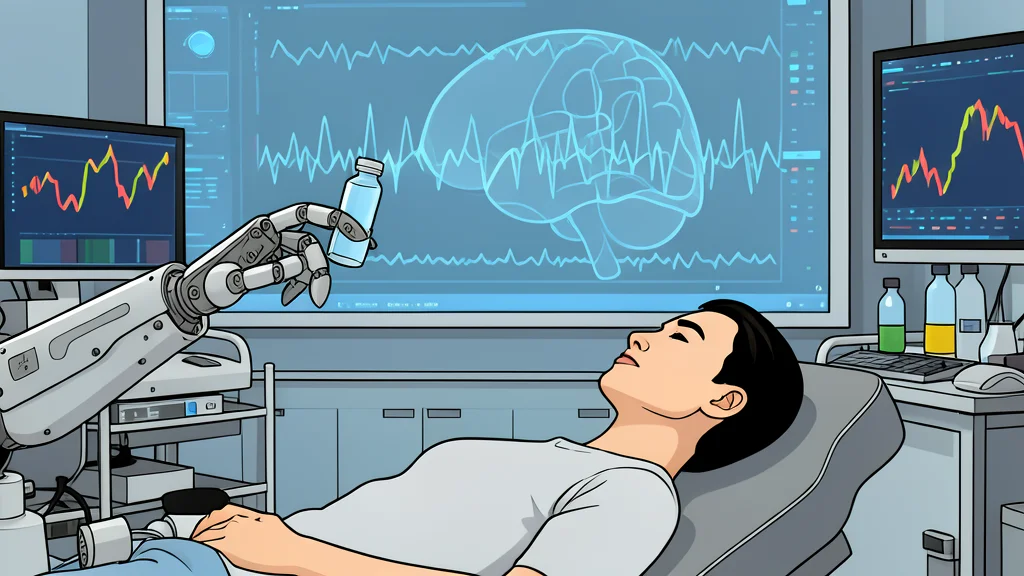
BMC Medical and Cofoe Push AI-Driven Sleep Therapy Devices
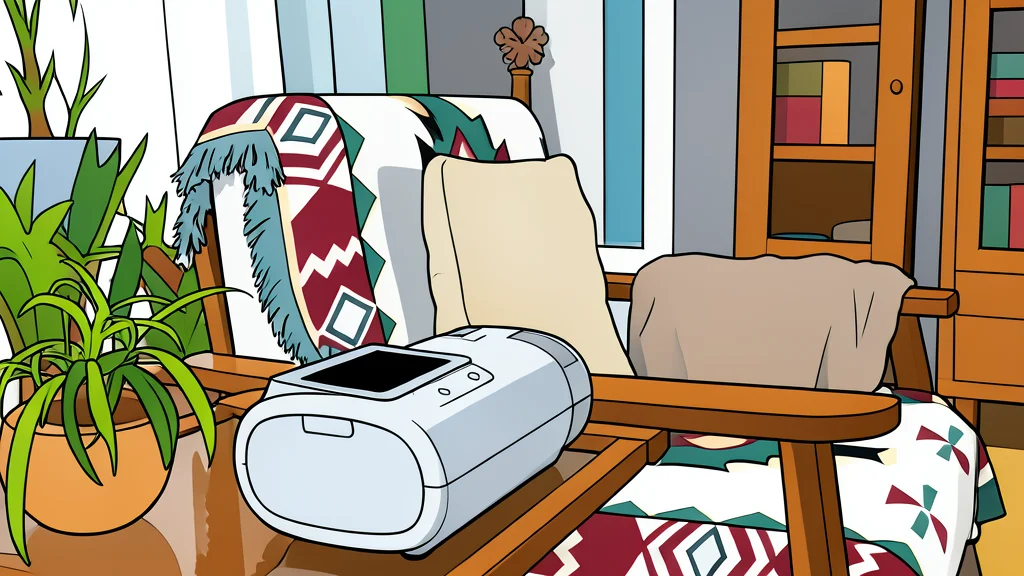
Chinese manufacturers deploy adaptive algorithms and cloud analytics to combat device abandonment in the expanding domestic sleep apnea market.
BMC Medical launched its E6 respiratory device in Beijing, integrating automated setup and adaptive pressure algorithms to address high patient abandonment rates. The system uses a question-and-answer assistant to configure initial settings and interprets overnight data into plain-language summaries, reducing the operational burden on users. Cofoe Medical Technology is pursuing a similar strategy with its C11 device, which combines on-device pressure adjustment with cloud-based analysis to generate lifestyle reports.
These launches target a critical retention issue where patients discontinue treatment due to discomfort or complexity. According to Chen Xiao, BMC’s chief marketing officer, domestic brands have gained baseline adoption but face entrenched preference for imported equipment in the premium segment. The companies aim to shift market dynamics by prioritizing user experience over raw specifications, seeking to outperform international rivals like ResMed in software-driven consumer support.
Market Expansion and Competitive Positioning
The domestic home ventilator market grew from 1 billion yuan in 2019 to 2.7 billion yuan in 2024, driven by increased respiratory care awareness. Frost & Sullivan projects the sector will reach 4.8 billion yuan by 2030, representing a compound annual growth rate of 10.2 percent. BMC reported in July that it ranked first domestically and second globally by sales volume for home breathing machines, capturing nearly 27 percent of the Chinese market.
Cofoe reported a sharp year-on-year surge in ventilator sales volume for the first quarter of 2026, citing demand for its newer smart devices despite lower average selling prices. This volume-driven growth reflects a broader shift toward accessible, technology-enabled treatments. The market expansion covers both sleep apnea and chronic obstructive pulmonary disease, indicating a widening addressable patient base for these medical device makers.
Technology Drives User Retention
BMC’s E6 analyzes breathing patterns to anticipate disturbances and adjust pressure in real-time. It reviews data from the previous five nights to refine settings and regulates airflow temperature and humidity to improve comfort. The core objective is to make the machine adapt to the user, thereby reducing the effort required to sustain long-term treatment. This approach directly addresses the friction points that previously led to device abandonment.
Cofoe’s C11 extends this logic by moving analysis to the cloud, converting raw monitoring data into actionable insights. This software-centric differentiation allows domestic firms to compete with established international brands that rely primarily on hardware specifications. By embedding AI-driven support directly into the device ecosystem, these companies are redefining the value proposition of home sleep therapy.
Industry Standards and Clinical Trust
Chen Xiao noted that the industry lacks a unified set of standards that meet clinical needs while delivering a good user experience. While specifications are abundant, the gap lies in seamless integration of clinical efficacy and daily usability. Domestic manufacturers are attempting to bridge this gap by emphasizing ease of use as a primary competitive advantage. This strategy seeks to erode the long-standing confidence doctors and patients have in imported equipment by demonstrating superior practical utility.
The push for innovation is driven by the need to sustain adoption in a market where treatment compliance is critical. By focusing on adaptive algorithms and intuitive interfaces, BMC and Cofoe are positioning themselves as leaders in a segment that is growing rapidly. The success of these AI-enhanced devices will determine whether domestic brands can capture the premium price tiers currently dominated by international competitors. The trajectory suggests a market increasingly defined by software capability and user-centric design.