Chinese Medical Device Makers Push AI-Driven Sleep Apnea Solutions
Domestic manufacturers like BMC Medical and Cofoe are deploying artificial intelligence to reduce patient abandonment in home sleep apnea treatment, targeting a market projected to reach 4.8 billion yuan by 2030.
Chinese medical device manufacturers are integrating artificial intelligence into home sleep apnea equipment to address high patient abandonment rates. By automating setup and adapting pressure settings in real time, companies aim to improve user comfort and retention. This strategic shift targets the growing domestic market, where local brands are increasingly competing with established international firms for share in respiratory care.
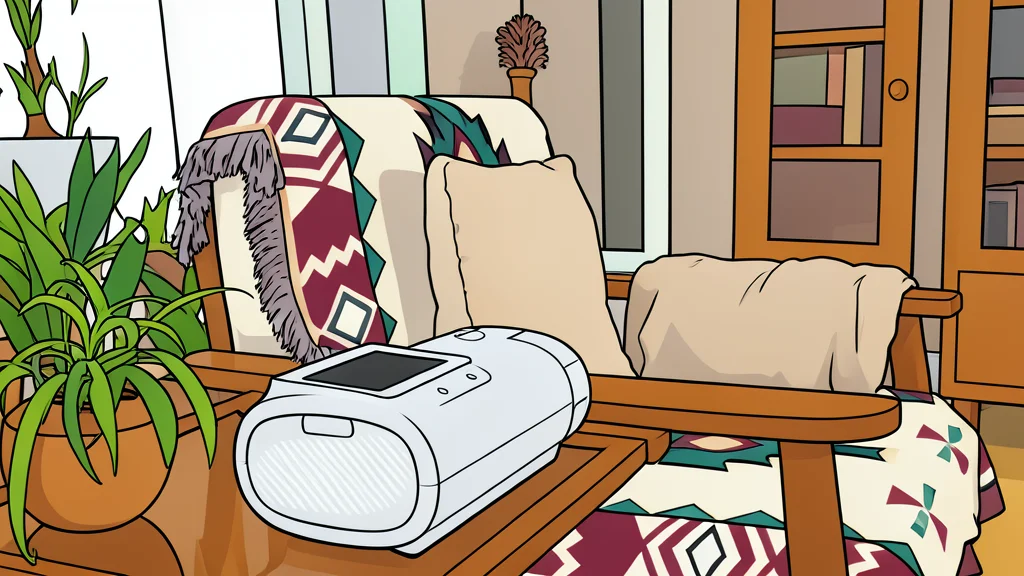
BMC Medical launched its E6 device in Beijing on September 3, featuring automated guided setup and adaptive pressure adjustments. The system uses algorithms to analyze breathing patterns and predict disturbances, adjusting airflow temperature and humidity to enhance comfort. The company stated that these features are designed to reduce the operational burden on patients, who often discontinue treatment due to device complexity or physical discomfort.
AI Enhances User Retention
Chen Xiao, BMC Medical’s chief marketing officer, noted that domestic brands have improved baseline market adoption but still face challenges against imported equipment in the premium segment above 5,000 yuan. The company’s E6 model employs a question-and-answer assistant to configure initial settings and converts overnight data into plain-language summaries. This approach seeks to eliminate the need for users to navigate complex controls, thereby supporting sustained adherence to long-term therapy.
Competitors are adopting similar software-driven strategies to differentiate their offerings. Cofoe Medical Technology’s C11 device combines on-device pressure adjustment with cloud-based analysis. This system generates detailed reports and lifestyle suggestions from sleep monitoring data. While international rivals like ResMed offer automatic pressure adjustment, domestic firms are expanding into consumer support services to capture market share from a position of enhanced user experience.
Market Growth and Competitive Position
The Chinese home ventilator market expanded from 1 billion yuan in 2019 to 2.7 billion yuan in 2024, according to Frost & Sullivan research cited in Cofoe’s April prospectus. The consultancy projects the market will reach 4.8 billion yuan by 2030, representing a compound annual growth rate of 10.2 percent. This growth is driven by increased awareness of respiratory care and improved diagnosis of chronic conditions, creating a larger addressable base for sleep apnea and COPD treatments.
BMC Medical reported in July that it ranked first domestically and second globally by sales volume for home breathing machines, holding nearly 27 percent of the Chinese market. Cofoe Medical Technology also reported a sharp year-on-year surge in ventilator sales volume for the first quarter of 2026, attributing the increase to higher consumer demand for its newer smart devices. These figures indicate that domestic manufacturers are successfully capturing volume, even as average selling prices in some segments edge lower.
Industry Standards and Clinical Needs
Industry leaders emphasize that the sector lacks standardized protocols that align with clinical needs and user experience. Chen Xiao stated that the industry does not lack specifications or features but needs a coherent set of standards to support effective treatment. By focusing on usability and data interpretation, Chinese firms are attempting to bridge the gap between technological capability and patient adherence. This approach aims to build trust among doctors and patients who have historically preferred imported equipment for its perceived reliability.