Generac Secures Eight Billion Dollar Amazon Contract
Generac has locked in a massive long-term supply agreement with Amazon, locking in billions in future revenue and signaling a structural shift in data center power infrastructure.
Generac, based in Waukesha, Wisconsin, has finalized a long-term agreement with Amazon to supply backup generators for the tech giant’s expanding data center network. The company disclosed the contract in a filing with the U.S. Securities and Exchange Commission, revealing that the deal is worth up to $8 billion. This agreement establishes Generac as a primary industrial partner for Amazon, providing the manufacturer with significant revenue visibility over the next several years.
Under the terms of the contract, Generac is expected to deliver $2.4 billion worth of equipment specifically in 2027 and 2028. The deal also includes a financial component where Amazon gains the right to acquire up to 1.7 million shares of Generac stock at approximately $200 per share. These shares will vest over time as Generac fulfills its delivery obligations and receives payments, linking the two companies’ financial interests directly to the execution of the supply chain.
Data Centers Drive Commercial Growth
The commercial and industrial segment has become a critical engine for Generac’s recent performance. Net sales for this division rose by 29 percent in the second quarter of this year, reaching $556 million compared to $431 million in the same period last year. Chief Financial Officer York Ragen attributed this surge primarily to increased revenue from products sold to the global data center market, indicating that hyperscale infrastructure is now a dominant factor in the company’s bottom line.
CEO Aaron Jagdfeld noted that the company expects to generate nearly $450 million in data center-related revenue for the current year, an upward revision from earlier projections. The firm currently holds a backlog of $1.6 billion in orders for this sector, a figure that excludes a separate agreement signed with another large customer in June. This accumulation of orders reflects a sustained demand trend rather than a one-off transaction.
Expanding Manufacturing Capacity in Wisconsin
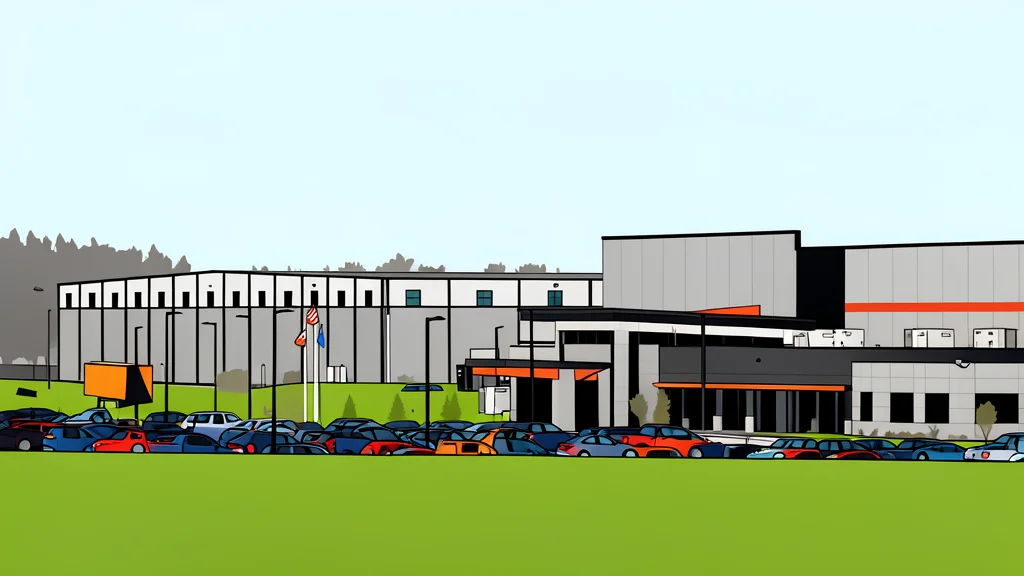
To meet the surging demand for industrial-scale generators, Generac is aggressively expanding its production capabilities across its eleven Wisconsin locations. The company employs more than 4,800 people, primarily in its seven manufacturing facilities. Key operational moves include expanding existing production lines in Oshkosh and accelerating the construction of a new plant in Beaver Dam. These investments are part of a vertically integrated strategy designed to control costs and ensure supply stability for large-scale clients.
The most significant expansion is the new facility in Sussex, which is on track to begin production earlier than initially targeted. Jagdfeld stated that speeding up this buildout is essential to addressing the growing demand for megawatt-scale backup power. The company’s focus on increasing domestic manufacturing capacity allows it to respond more quickly to the rapid deployment schedules of major cloud providers like Amazon, which operates hundreds of data centers globally.
Market Reaction and Strategic Positioning
The announcement triggered a sharp increase in Generac’s share price, which jumped from approximately $175 to nearly $250 on the day of the filing. By Thursday noon, the stock had settled around $208. This market reaction underscores investor confidence in the durability of the data center growth cycle. The agreement provides Generac with a multi-year revenue floor, reducing the volatility typically associated with project-based industrial sales.
According to industry research tools, Amazon Web Services currently operates 287 data centers with another 200 in the planning stages across 22 countries. Generac’s entry into this specific supply chain positions it to capture a larger share of this expanding infrastructure. The deal confirms that traditional backup power generation remains a vital component of modern cloud computing architecture, validating the company’s pivot toward high-end industrial applications.