Afghanistan Rare Earths: Geology vs. Commercial Reality
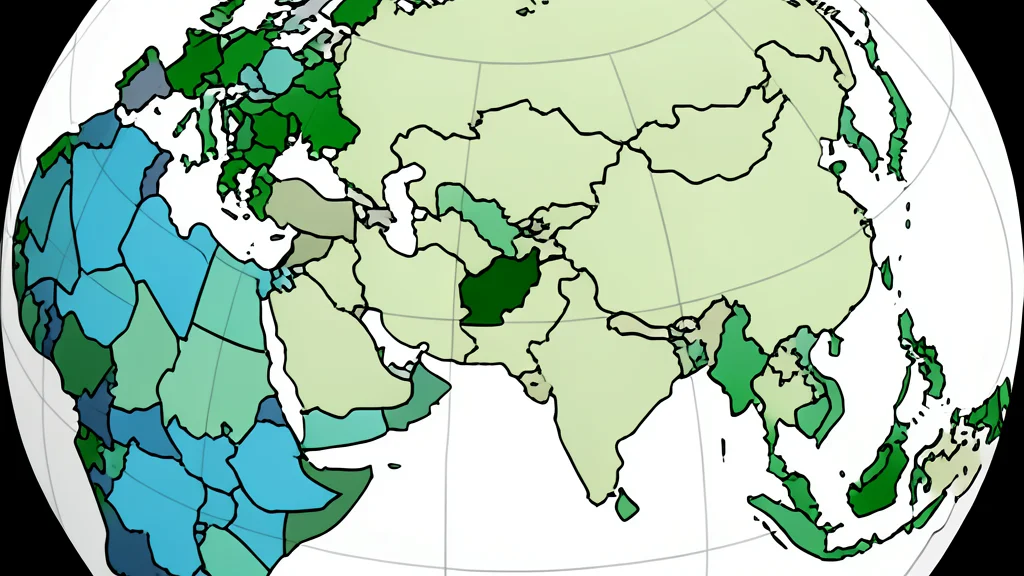
Afghanistan's rare earth deposits lack the infrastructure and legal clarity to challenge Chinese dominance, despite large geological estimates.
Afghanistan’s rare earth sector presents a fundamental disconnect between geological potential and commercial viability. While the government has expressed interest in U.S. investment, the widely cited one-trillion-dollar valuation refers to the country's entire mineral endowment, not specifically rare earths. The Khanneshin carbonatite complex in Helmand Province holds an estimated 1.29 million metric tons of light rare-earth oxides, yet this figure stems from a 2012 U.S. Geological Survey study rather than modern, drill-defined reserves.
As reported by GN auto stocks/materials: rare earths, the situation reflects a market of potential feedstock rather than a competitive supply chain. Without established processing routes, feasible metallurgy, or defined operating costs, the deposit remains a geological inheritance rather than an investable asset. The lack of element-by-element distribution data further complicates any valuation, as the economic value depends heavily on the ratio of lower-value lanthanum and cerium to higher-value neodymium and praseodymium.
Geological Estimates Lack Commercial Definition
The Khanneshin complex contains mineralized rocks with combined lanthanum, cerium, praseodymium, and neodymium oxide concentrations between 3.25% and 3.77%. However, these averages do not constitute a proven reserve. A modern feasibility study would require detailed metallurgical testing to determine recovery rates and operating costs, neither of which exists currently. The current data relies on simple geological geometry and assumptions, making it insufficient for pricing or investment decisions.
Valuation of rare earth deposits is highly sensitive to specific element grades. A resource dominated by lanthanum and cerium carries a significantly lower market value than one rich in magnet-grade neodymium and praseodymium. Because Afghanistan has not published detailed element distribution data for the Khanneshin site, investors cannot accurately assess the commercial worth of the ore. This lack of transparency prevents the conversion of geological interest into financial models.
Infrastructure Deficits Block Supply Chain
The primary barrier to commercial extraction is the absence of a complete conversion chain. Afghanistan lacks the secure roads, reliable power, water systems, and chemical separation facilities necessary to process raw ore into usable metals. Developing this infrastructure requires substantial capital and time, adding layers of cost and delay that are not present in established supply chains.
Without domestic processing capacity, any extracted material would need to be shipped across borders, introducing additional costs and provenance risks. This logistical bottleneck means the deposit cannot serve as a direct alternative to existing Chinese supply. The current state of affairs positions the resource as potential feedstock searching for an industrial ecosystem, rather than a viable product source for global manufacturers.
Legal and Political Constraints Persist
International investment in Afghan mining faces strict regulatory hurdles. U.S. participation would require transaction-by-transaction legal review under OFAC rules due to ongoing sanctions on designated Taliban parties. This legal uncertainty creates a high-risk environment for foreign capital, particularly for long-term infrastructure projects that require stable regulatory frameworks.
Claims that Chinese companies are already the main extractors in Afghanistan also lack supporting evidence. While Chinese firms hold key mining contracts, large-scale extraction at the Mes Aynak copper mine has remained unstarted after 18 years of delays. This stagnation highlights the broader challenges of operating in the region, where political instability and logistical gaps prevent the realization of mining potential.