Neo Performance Materials Secures Heavy Rare Earth Supply via Carester Deal
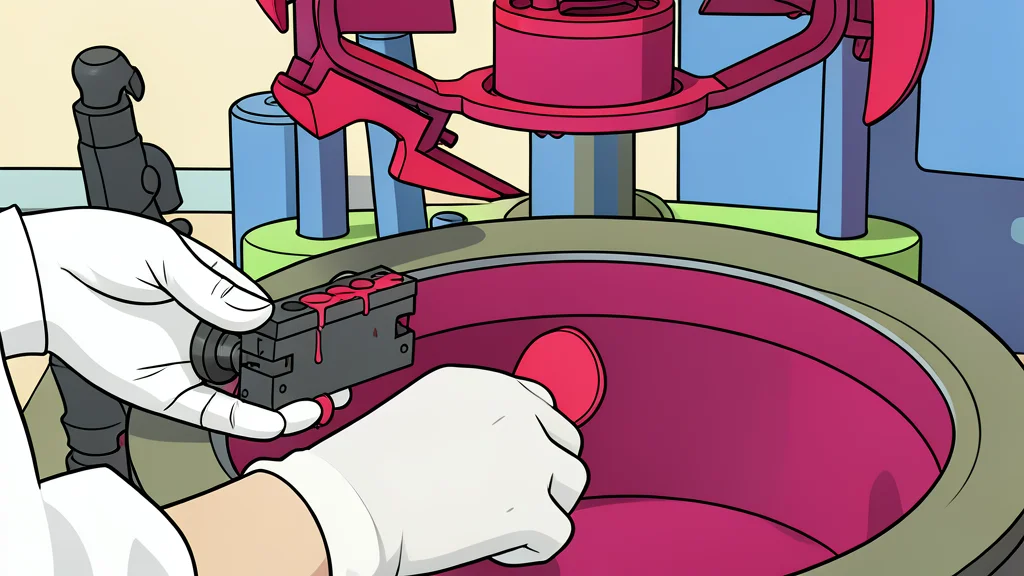
Neo Performance Materials has formalized a closed-loop supply arrangement with Carester SAS to secure dysprosium and terbium oxides for its European magnet operations, addressing feedstock uncertainty ahead of its 2026 commercial ramp.
Neo Performance Materials (TSX: NEO) has locked in a critical supply channel for heavy rare earths by partnering with France-based Carester SAS. The agreement links Neo’s European magnet facility to Carester’s planned recycling and separation plant in Lacq, specifically securing dysprosium and terbium oxides. This move formalizes a toll processing arrangement through Neo’s Silmet operation in Estonia, creating a direct pipeline for the high-value materials required for permanent magnet production.
The deal establishes a closed-loop system where Neo sends magnet swarf to Carester for recycling. Carester processes the material and returns recovered rare earth oxides to Neo. This structure targets material efficiency and input certainty, reducing waste and stabilizing feedstock costs. The arrangement directly supports Neo’s strategy to localize its European supply chain and shift its product mix toward higher-margin items ahead of commercial output starting in the second half of 2026.
Silmet Toll Processing Integrates Supply
The partnership plugs into Neo’s existing infrastructure, specifically the Silmet separation plant in Estonia. Under the tolling terms, Silmet processes Carester’s mixed rare earth carbonate, retaining light rare earth output while returning the heavy material to Neo. This integration allows Neo to utilize existing separation capacity for feedstock security while enhancing scrap recovery. The arrangement ties together feedstock sourcing, facility utilization, and waste reduction, creating a more resilient revenue base for the European magnet business.
2029 Financial Projections Face Execution Risk
Analyst models project Neo Performance Materials to reach $777.4 million in revenue and $114.6 million in earnings by 2029. This trajectory implies a 14.9% annual revenue growth rate and a significant swing from the current $10.2 million loss to a substantial profit level. The Carester deal is a key catalyst for this growth, as it mitigates supply chain risks that could otherwise delay the ramp of commercial output. However, the path to these figures remains dependent on successful execution of facility upgrades and stable pricing in hafnium, gallium, and rare earths.
Cautionary views suggest that the European magnet facility could face slower-than-expected ramp times, potentially delaying earnings contributions. Bearish scenarios model lower revenue of $759.3 million and reduced earnings of $63.7 million by 2029, reflecting concerns over execution speed and market saturation. Key risks include shipment normalization after earlier order pull-forwards, margin pressure from lower specialty metal prices, and the potential for overcapacity if new competitors scale production rapidly. The Carester partnership addresses input security but does not eliminate these broader market and operational risks.
GN Auto Stocks Track Material Recovery
This supply deal positions Neo within the broader critical materials sector, as tracked by GN auto stocks and rare earths indices. The emphasis on recycling magnet swarf aligns with industry trends toward circular economy models and reduced reliance on virgin ore extraction. By securing a consistent flow of heavy rare earths, Neo aims to differentiate itself from peers who may face higher volatility in input costs. The agreement underscores a strategic shift toward integrated manufacturing and material recovery, which is increasingly central to the valuation of rare earth companies in the European market.