Alba Restores 80% Output After War-Related Disruptions
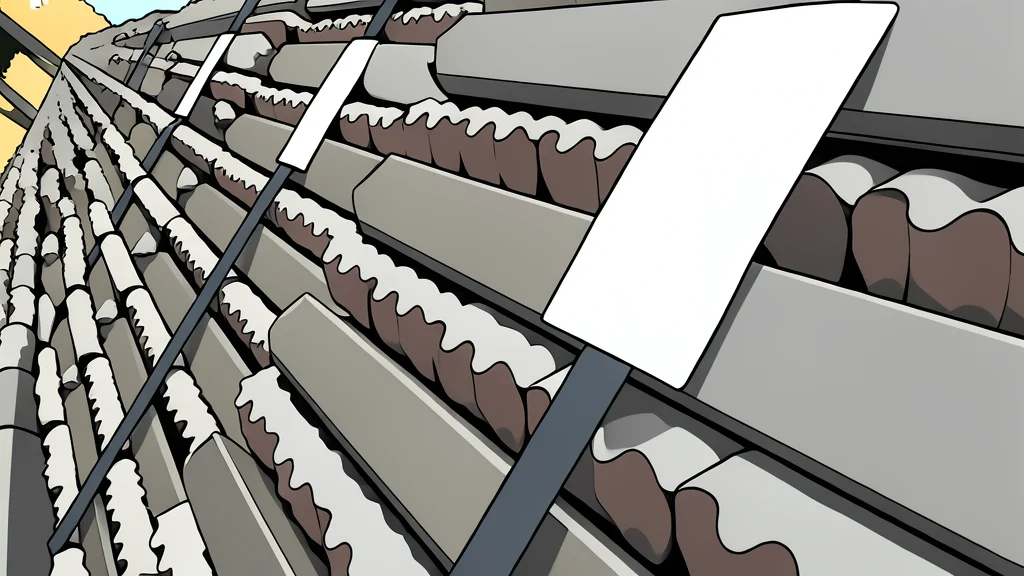
Aluminium Bahrain has resumed operations on three production lines, achieving 80% of pre-war capacity despite ongoing supply chain barriers and the closure of the Strait of Hormuz.
Aluminium Bahrain (BHB: ALBH) is currently manufacturing metal at approximately 80% of its pre-conflict capacity, according to CEO Ali Al Baqali. The company has restarted production on lines 4, 5, and 6, generating 1.3 million metric tons of output annually. This recovery follows the suspension of lines 1, 2, and 3 due to the closure of the Strait of Hormuz, which severed standard supply routes to the Gulf region.
The smelter also recovered from a physical attack in late March, which the executive described as minor. Repairs are complete, and the company noted that insurance coverage has absorbed the associated costs. Current exports are being routed through the Saudi port of Jeddah and Sohar in Oman to bypass the blocked strait, maintaining access to global markets despite the logistical constraints.
Logistics costs offset by metal premiums
To sustain the current 1.3 million-ton output, the company is executing a high-volume logistics operation involving 300 to 350 trucks daily. This fleet delivers approximately 7,000 metric tons of alumina per day, the primary raw material required for smelting. While the CEO characterized this transport network as expensive, the cost burden is mitigated by elevated London Metal Exchange prices and strong physical metal premiums.
Acquisition expands total smelting capacity
Alba’s total capacity is set to return to 1.6 million metric tons annually following the completion of its acquisition of the Aluminium Dunkerque smelter in France. This 300,000-ton-per-year facility will be integrated into the company’s portfolio in the coming months. The move secures additional production volume independent of the Middle East supply chain disruptions affecting the Bahrainian site.
Further capacity expansion remains contingent on geopolitical and material factors. The company could restart the three suspended lines, which represent 19% of pre-war capacity, if it secures sufficient alumina and gas supplies. A decisive precondition for this full restoration is the reopening of the Strait of Hormuz, which would restore the most efficient shipping route for raw materials and finished product.
Market context for production recovery
The current operational status reflects a strategic pivot to alternative logistics to maintain global supply. As reported by GN auto stocks/materials: aluminum production, the company’s ability to source daily alumina volumes via land transport demonstrates resilience in the face of regional conflict. The reliance on high premiums to cover logistics costs underscores the tight balance between input expenses and output pricing in the current market environment.