American Rare Earths Reports 3,497 Ppm Average Grade at Halleck Creek
Certified assays from six initial core holes show 93% of intervals exceed the 1,000 ppm resource cut-off at the Wyoming site.
Key points
- Pooled average grade of 3,497 ppm TREO across 386 intervals from six core holes.
- 93% of tested intervals exceeded the 1,000 ppm TREO resource cut-off.
- Maximum assay reached 9,084 ppm TREO over 3.02 meters in hole HC26-RM051.
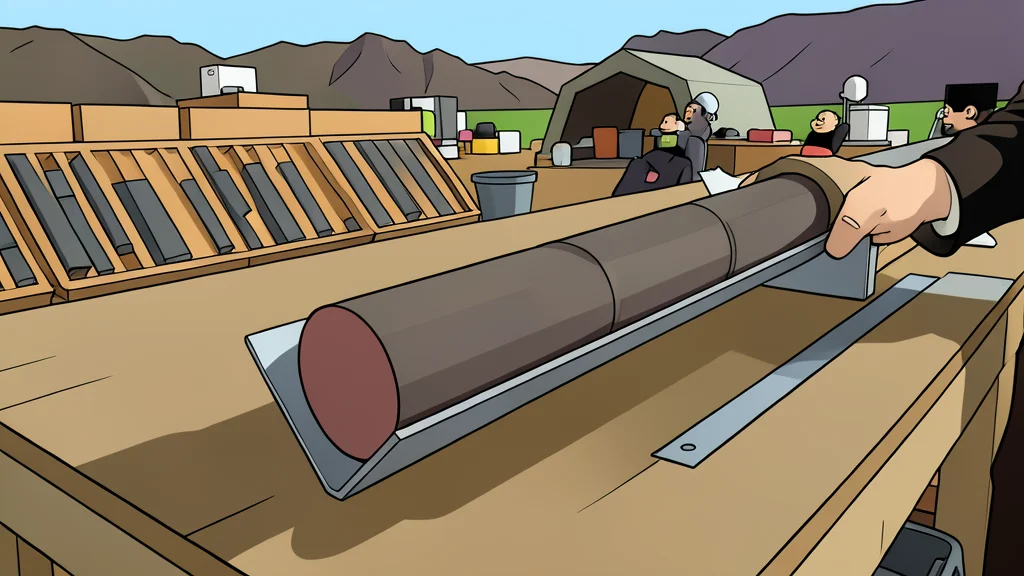
American Rare Earths Limited disclosed certified assay results from the first six core holes of its 2026 Feasibility Study program at the Halleck Creek Rare Earths Project in Wyoming. The data indicates broad, near-surface mineralization consistent with the company's existing geological model, supporting ongoing mine-planning efforts.
Across 386 geological assay intervals, the pooled average grade reached 3,497 ppm Total Rare Earth Oxides (TREO), with a median of 3,879 ppm. According to Stock Titan, 93% of these intervals exceeded the 1,000 ppm TREO resource cut-off used for the Cowboy State Mine, validating the continuity of the allanite-hosted deposit.
High-grade intervals confirm resource continuity
The highest single-sample assay recorded 9,084 ppm TREO over a 3.02-meter interval in hole HC26-RM051. Hole HC26-RM056 returned a continuous 191.11-meter section with a length-weighted grade of 3,951 ppm TREO above the cut-off. These results reflect the robustness of the mineralization in the upper sections of the drill holes.
Current mineral resource remains unchanged
The current JORC Mineral Resource for Halleck Creek stands at 2.63 billion tonnes at 3,292 ppm TREO, containing 8.65 million tonnes of REO. The new assay data is intended to support the reclassification of resources and the finalization of the Feasibility Study, though no immediate changes to the stated resource estimate were announced in the report.
Remaining drilling program results pending
American Rare Earths has completed 18 of the originally planned 19 holes, with 12 additional sets of results outstanding. The final stages of the drilling program were affected by a mechanical issue with the rig, but the company continues to process data to finalize the study. These pending assays will provide further definition to the depth and extent of the deposit.