Baogang Targets 15M Tonnes Output, Expands Rare Earth Value Chain
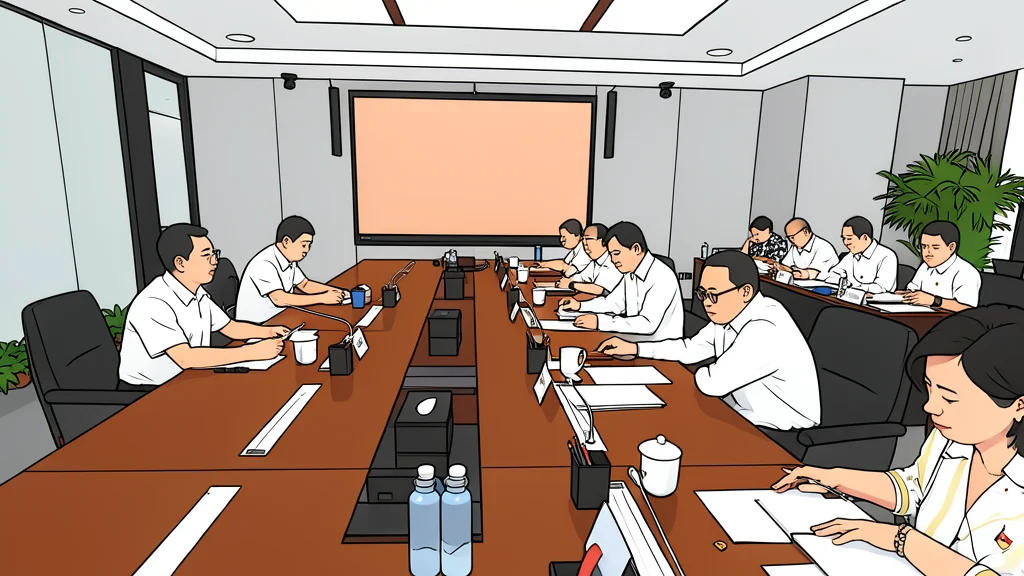
Baogang Group plans to raise Bayan Obo mining capacity to 15 million tonnes annually while advancing downstream rare-earth steel manufacturing.
Key points
- Baogang plans to increase Bayan Obo mining capacity from 10 to 15 million tonnes annually, primarily for iron ore.
- The company mandates "full-element, full-chain" development to integrate rare-earth steel and advanced materials into its portfolio.
- The strategy aligns with broader state directives to enhance intellectual property and supply chain independence ahead of US-China talks.
Baogang Group has directed a strategic expansion of its Bayan Obo operations, aiming to increase annual mining capacity from 10 million to 15 million tonnes. This operational shift is paired with a mandate to move beyond raw extraction, specifically targeting the development of rare-earth steel and advanced materials to capture higher value within the supply chain.
The directives, issued alongside complementary guidelines from state-owned GRINM Group, emphasize a "full-element, full-chain" approach to light, medium, and heavy rare earths. As reported by Rare Earth Exchanges, this strategy seeks to integrate geological resources with intellectual property and advanced manufacturing, creating a closed-loop industrial system rather than relying solely on export volumes.
Capacity expansion targets iron ore
While the 50% increase in mining volume is significant, the expansion primarily addresses iron ore output rather than directly altering rare-earth production quotas. Baogang’s management prioritizes "protective development" and greener mining practices, indicating that the volume increase is a precursor to deeper processing rather than a simple bulk shipment increase.
The company is investing in digitization and closer collaboration with research institutions to optimize resource utilization. This infrastructure investment supports the goal of reducing waste and increasing the yield of high-value rare earth elements from the Bayan Obo deposit, which remains the world’s largest known source.
Downstream manufacturing drives new demand
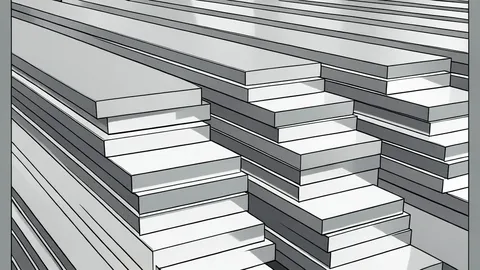
Baogang is explicitly identifying rare-earth steel and new materials as key growth areas. By linking laboratory research directly to industrialization pathways, the group aims to generate proprietary intellectual property and standards. This vertical integration allows the company to control supply chain independence and create new downstream demand for its processed materials.
This approach contrasts with Western strategies that often focus on securing raw material access. The Chinese model compounds advantages by extracting more value from existing resources and connecting advanced manufacturing with commercialization. The result is an industrial operating system that spans resources, research, separation, and manufacturing.
Geopolitical context shapes supply dynamics
These internal directives coincide with ongoing discussions between Washington and Beijing regarding critical mineral supplies ahead of a potential summit. Western aerospace firms are testing rare-earth substitutes in response to continued Chinese supply restrictions, highlighting the competitive pressure on non-Chinese producers to diversify their material sources.
The alignment between GRINM’s technology focus and Baogang’s resource base underscores a coordinated state effort. By reinforcing the link between governance, geology, and manufacturing, the entities are positioning themselves to maintain dominance in both separation and magnet production while expanding into higher-value industrial applications.