Kumho E&C Finishes Korea's First 500 MW Coal-To-Gas Conversion
The Gumi plant replaces a coal unit with a 500 MW combined-cycle facility, boosting local energy self-sufficiency from 6% to 30% for semiconductor operations.
Key points
- Kumho E&C completed South Korea's first coal-to-gas conversion, replacing a Taean unit with a 500 MW combined-cycle plant in Gumi.
- The facility increases Gumi's energy self-sufficiency from 6% to 30%, providing stable power for semiconductor manufacturing in the Hi-Tech Valley.
- ChemAnalyst notes the project supports regional LNG demand, with indirect potential effects on gas-linked chemical commodity prices.
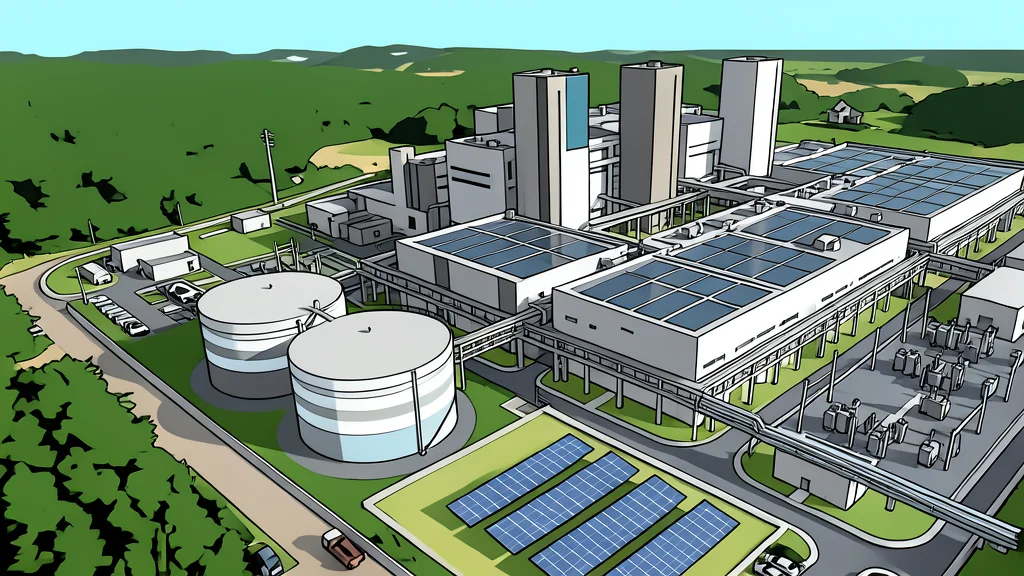
Kumho Engineering & Construction has completed the construction of the Gumi natural gas power plant, marking South Korea’s first conversion of a coal-fired unit into a natural gas facility. The project, executed for Korea Western Power, replaces the No. 1 unit at the Taean complex with a 500 MW combined-cycle plant. Formal completion is scheduled for the end of September, signaling a shift toward lower-carbon generation while maintaining grid reliability.
The facility utilizes a gas turbine, steam turbine, and heat recovery steam generator to maximize efficiency. By recovering waste heat to drive a second electricity-generating stage, the plant extracts more power from the same fuel input compared to simple-cycle systems. This configuration supports the region’s growing industrial demands, particularly within the Gumi Hi-Tech Valley, where stable power is critical for semiconductor manufacturing.
Regional energy self-sufficiency rises sharply
Once fully operational, the Gumi plant is projected to increase the city’s energy self-sufficiency rate from approximately 6% to 30%. This significant boost in local generation capacity directly supports the development of a dedicated semiconductor complex in the area. The additional power supply addresses the high demand for reliable electricity required by advanced industrial operations, reducing reliance on external grid resources.
The project aligns with South Korea’s broader carbon-neutrality strategy, transitioning the region’s energy mix away from coal. By replacing a coal unit with a gas-fired alternative, the facility contributes to lower emissions while meeting the accelerating demand for infrastructure tied to semiconductor manufacturing. This shift positions Gumi as a key hub for high-tech industry with a robust local energy foundation.
Kumho E&C expands energy infrastructure portfolio
This completion strengthens Kumho E&C’s position in South Korea’s energy sector, following previous work on natural gas plants in Gongju and LNG facilities in Suwon. The company has also secured projects in pumped-storage hydropower and converter stations, diversifying its capabilities. Management stated that the Gumi project demonstrates their contribution to the national energy transition and serves as a foundation for pursuing additional opportunities in energy infrastructure.
Gas demand impacts regional commodity markets
According to ChemAnalyst, the 500 MW capacity increase supports regional natural gas and LNG procurement. While the impact on global chemical prices remains limited due to the plant's scale, higher gas consumption could indirectly support gas-linked commodities like methanol and ammonia if regional costs rise. Reduced coal dependence may also alter regional fuel competition, while stronger semiconductor activity gradually drives demand for industrial chemicals.