Brazil Enacts Strategic Mineral Law to Secure Downstream Processing
Brazil has enacted a new national policy requiring government approval for foreign deals in strategic minerals, aiming to retain downstream value through significant tax incentives for processing.
Brazil’s government has introduced a regulatory framework that grants the state the authority to review and approve foreign acquisitions and international contracts involving strategic minerals. President Luiz Inácio Lula da Silva signed the legislation into law, establishing a dedicated council within the presidency to oversee transactions, including changes in corporate control and the transfer of mining rights. Without explicit approval from this body, such deals cannot proceed, marking a significant shift in how the country manages its critical resource sector.
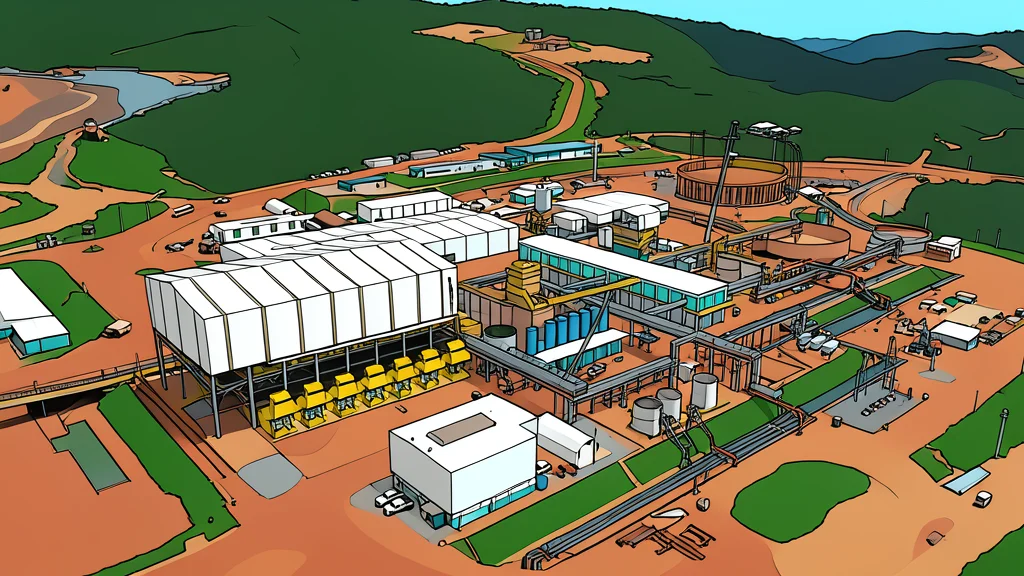
The new law is designed to address the lack of domestic capacity to refine raw materials, particularly rare earths. While Brazil holds the world’s second-largest rare earth reserves, it currently lacks the infrastructure to separate or refine these elements for use in electronics and military systems. The legislation aims to alter this dynamic by mandating value-addition requirements for exports and providing financial incentives to build local processing capabilities, ensuring that economic benefits remain within the country.
Financial Incentives Target Downstream Manufacturing
To stimulate investment in the processing sector, the law allocates up to 5 billion reais in tax credits for projects focused on mineral processing, manufacturing, and recycling between 2030 and 2034. Companies can claim credits covering up to 20% of eligible expenses, with higher rates available for projects that move further up the value chain. Additionally, the government has authorized a guaranteed fund with up to 2 billion reais in federal contributions to mitigate financing risks for priority projects, which may also issue tax-advantaged bonds.
These financial mechanisms are intended to shorten the payback period for new facilities. According to economic models cited in the national rare earths strategy, such incentives could reduce the time required to break even for a separation plant from approximately ten years to four. This acceleration is critical for making domestic refining commercially viable compared to exporting raw ore, which currently captures less value for Brazilian stakeholders.
Recent Foreign Acquisitions Face Scrutiny
The timing of the legislation follows the completion of a major foreign acquisition in the sector. USA Rare Earth recently closed its approximately $2.8 billion purchase of Serra Verde, Brazil’s only commercial producer of rare earths. Under the existing agreement, the mine’s initial output is committed for 15 years to a buyer backed by U.S. government agencies and private investors. This deal includes guarantees for minimum prices and covers elements used in permanent magnets, highlighting the current trend of foreign entities securing long-term supply contracts.
The new council will now have the power to evaluate such transactions, ensuring they align with national strategic interests. While the law does not ban the export of unprocessed ore, it empowers the government to impose conditions that favor domestic processing. This regulatory approach aims to prevent a scenario where raw materials leave the country with demand already locked in by foreign buyers, thereby capturing the downstream value abroad.
Strategic Goals and Historical Context
The legislation defines critical minerals as those vulnerable to supply disruptions and essential to key economic sectors, while strategic minerals are those where Brazil holds significant reserves. The government will update the list of covered minerals every four years. By invoking the history of Brazil’s colonial gold boom, President Lula emphasized the need to avoid repeating past mistakes where raw materials were exported without generating long-term industrial growth. The law seeks to ensure that mineral wealth translates into domestic technological development and emissions reductions.
Despite these measures, the law leaves licensing for mining, environmental, and radiological aspects divided among separate agencies. It does not include direct price floors or purchase guarantees, relying instead on tax credits and financing support to drive investment. Experts note that while foreign-backed agreements currently provide some protections, the new national policy aims to institutionalize these benefits and ensure that Brazil captures a larger share of the value chain in the global rare earths market.