China Aluminium Billet Inventories Ease as Processing Fees Recover
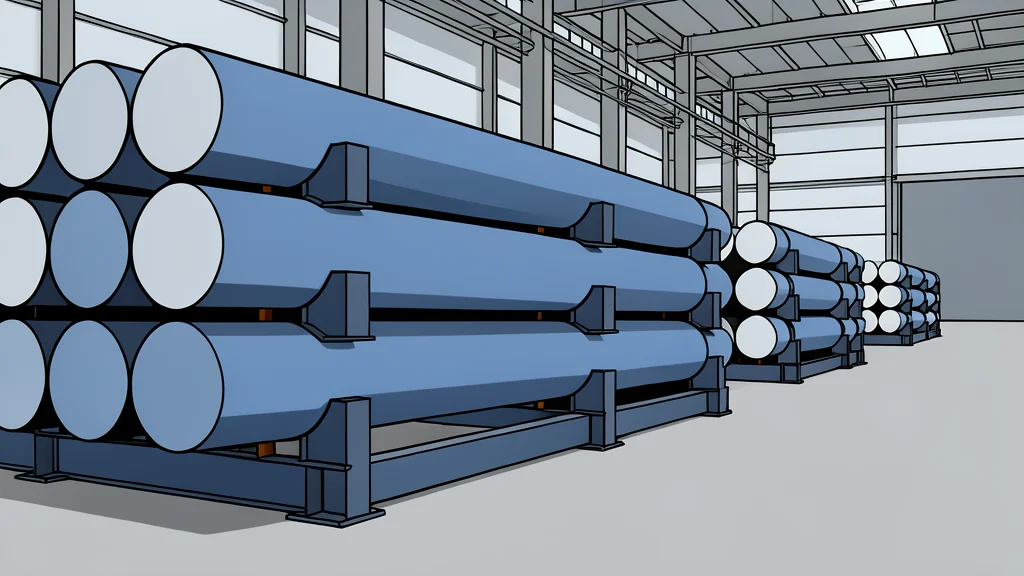
Domestic stock levels in key regions like Foshan and Wuxi have begun to decline slightly, while processing premiums have rebounded sharply following a recent drop in spot aluminium prices.
Aluminium billet inventories in major Chinese consumption hubs have stopped rising and begun a modest decline, marking a shift from the persistent buildup seen since mid-August. As of September 17, total stock in these areas stood at 152,500 tonnes, a reduction of 500 tonnes from the previous Thursday and 5,000 tonnes from the preceding Monday. Although these levels remain the highest for this period in the last four years, the recent drop signals that destocking pressures are beginning to ease.
The reversal in inventory trends was driven by a combination of improved demand and supply-side constraints. Spot aluminium prices fell from RMB 24,560 per tonne to RMB 24,180 per tonne over the week, making the metal more acceptable to downstream buyers. This price correction cooled wait-and-see sentiment and boosted purchase willingness, resulting in a week-over-week increase of 2,800 tonnes in warehouse withdrawals. Simultaneously, maintenance-related production cuts in Guangxi reduced inbound supply, further supporting the destocking momentum.
Regional inventory levels show mixed adjustments
Stock levels varied significantly across key industrial hubs. Foshan, the largest holder with 75,500 tonnes, saw a decrease of 1,500 tonnes. In contrast, Changzhou and Nanchang both recorded slight increases of 500 tonnes, standing at 17,500 and 11,500 tonnes respectively. Wuxi and Huzhou remained flat week-over-week at 22,000 and 26,000 tonnes. This divergence highlights that while overall national inventory is easing, the digestion of stocks is not uniform across all major processing centers.
Processing fees rebound from negative territory
The decline in spot prices and the expectation of tighter supply have triggered a broad-based recovery in processing fees. In Foshan, fees for phi90 billets jumped by RMB 210 per tonne to reach RMB 160, moving sharply out of the negative range. Wuxi fees for phi90 and phi120 billets rose by RMB 170 and RMB 160 respectively, reaching RMB 400 and RMB 300. Nanchang also saw significant gains, with phi90 fees rising RMB 260 to RMB 280. This rebound has repaired the pricing structure for producers, who previously faced quotes below cost benchmarks.
Supply maintenance supports future destocking
Market participants expect the destocking trend to strengthen in the coming week, driven by pre-holiday stockpiling and ongoing maintenance cuts in Guangxi. The scale of these supply-side reductions will be a key determinant of inventory levels. According to data cited from GN auto stocks/materials: aluminum production sources, the combination of reduced inbound pressure and improved downstream acceptance is creating a favorable environment for further inventory reduction, provided that the pace of arrivals in Foshan continues to be digested effectively.