Estonia's Narva Plant Secures US Rare Earth Partnership

Estonia is negotiating a strategic rare-earth agreement with the US, leveraging its new Narva magnet plant and Silmet separation capabilities to build a non-China supply chain.
Estonia and the United States are finalizing a rare-earth cooperation framework that prioritizes industrial processing over raw extraction. The agreement, discussed by Foreign Minister Margus Tsahkna, focuses on investment, industrial development, and supply security. It marks a shift from securing ore to securing conversion capacity, a critical distinction in the global supply chain.
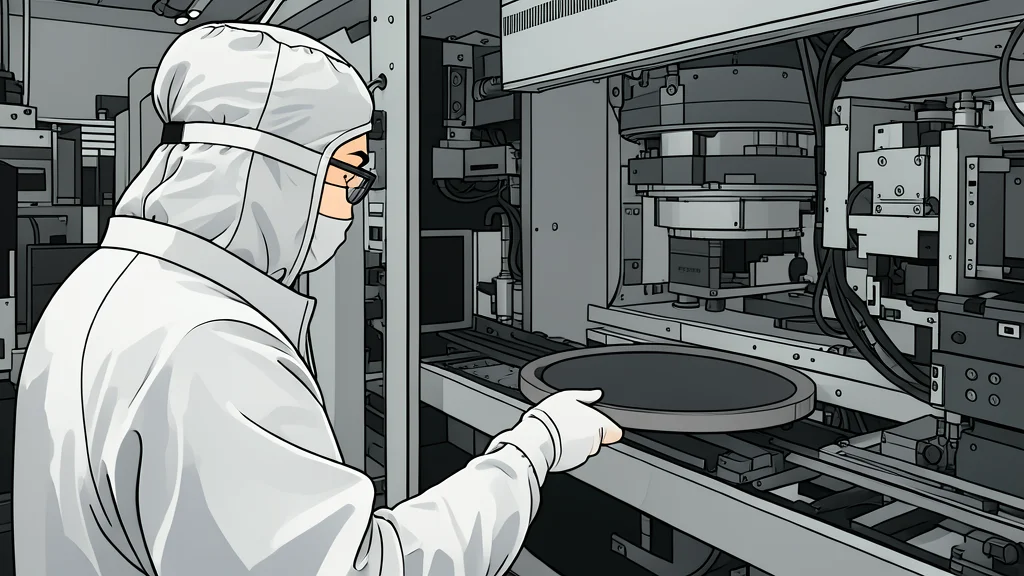
The commercial backdrop is the recent entry into production of Neo Performance Materials’ Narva plant. The facility now operates with a sintered-magnet capacity of 2,000 tonnes per year, with plans to expand to 5,000 tonnes. This operational status provides the tangible industrial base that the diplomatic negotiations aim to secure and expand.
Narva Plant Reaches Commercial Output
Neo Performance Materials has moved its Narva facility into commercial production, establishing a 2,000-tonne annual capacity for sintered magnets. The company plans to scale this output to 5,000 tonnes, signaling a significant increase in European manufacturing volume. This expansion is the central industrial asset in the current bilateral discussions with Washington.
The plant’s readiness offers the US a direct pathway to finished magnet components within Europe. By converting separated rare earths into high-performance magnets, Estonia provides a downstream solution that complements upstream mining efforts. This capability reduces reliance on Asian processing hubs for final product assembly.
Silmet Adds Heavy Element Separation
Alongside magnet production, Silmet has commissioned separation capabilities for heavy rare earths, specifically dysprosium and terbium. These elements are essential for high-temperature magnet applications, such as those used in electric vehicles and wind turbines. The addition of this processing stage strengthens the non-China supply chain’s ability to deliver complete material solutions.
The integration of separation and magnetization in the Sillamäe and Narva regions creates a vertically aligned industrial cluster. This concentration of processing steps allows for tighter quality control and logistics efficiency. It positions Estonia as a key node in the emerging allied network for critical mineral processing, as noted by Rare Earth Exchanges.
Feedstock Security Remains Critical
Despite the processing gains, the primary operational risk remains feedstock availability. Estonian plants depend on secure, traceable supplies of neodymium-praseodymium, dysprosium, and terbium. The commercial sustainability of the Narva and Silmet facilities hinges on the ability to procure these inputs at stable prices from allied sources.
The US-Estonia agreement aims to address this dependency by linking American capital and allied feedstock to European processing. This network approach seeks to create a resilient corridor that bypasses traditional supply bottlenecks. Success depends on the practical implementation of these cross-border material flows and investment commitments.