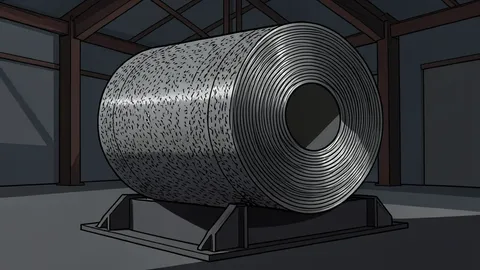
China's Rare Earth Dominance Curbs US Trade Threats
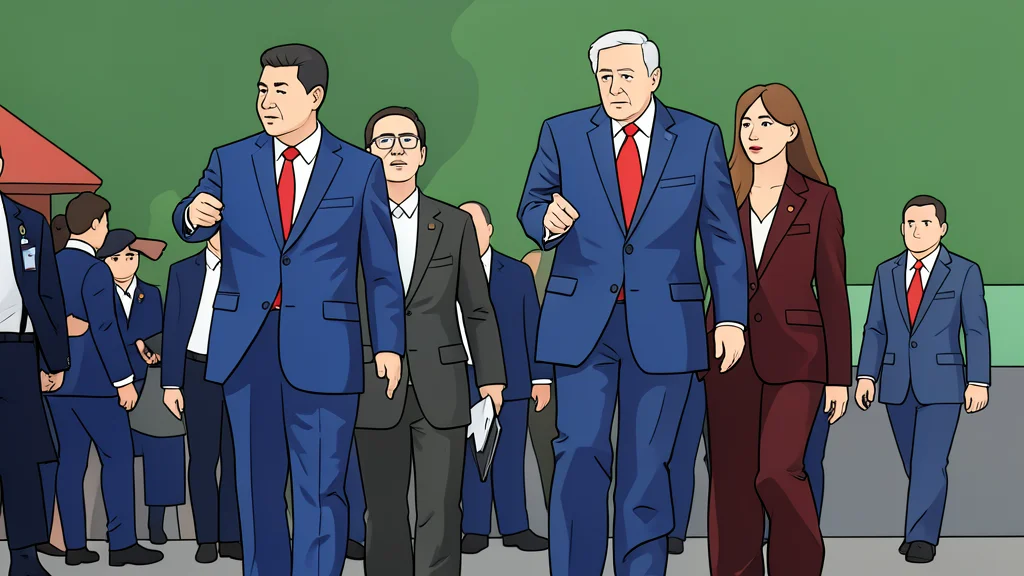
China's control of 90% of rare earth magnet production limits US tariff threats ahead of the Trump-Xi summit, experts say.
Key points
- China controls 90% of rare earth magnet production, limiting US tariff threats.
- The US administration avoided aggressive trade measures to prevent supply chain retaliation.
- Recent sanctions on Chinese firms were timed to avoid provoking severe countermeasures.
US President Donald Trump has adopted a restrained diplomatic posture ahead of his meeting with Chinese President Xi Jinping, a shift attributed to Beijing's structural leverage in critical mineral markets. Unlike previous summits preceded by aggressive tariff threats and technology export bans, the current administration has avoided overt coercion, recognizing the vulnerability of US supply chains to Chinese resource controls.
This diplomatic softening reflects the economic reality that China dominates the rare earth sector, a key input for automotive, semiconductor, and defense manufacturing. According to data cited by Inside Retail Asia, China controls up to 70% of global rare earth mining, 85% of refining capacity, and approximately 90% of metal alloy and magnet production. This near-monopoly creates a strategic chokepoint that limits Washington's ability to impose punitive trade measures without risking severe domestic industrial disruption.
Strategic Mineral Leverage
The US reliance on Chinese rare earths, including elements like yttrium and dysprosium, has fundamentally altered the trade negotiation dynamic. Former trade official Emily Kilcrease noted that the administration cannot use an overly coercive approach because it risks triggering retaliatory export restrictions that would cripple US tech and auto sectors. The previous year’s export controls by Beijing demonstrated that the US economy is vulnerable to supply chain shocks in these specific materials.
Experts describe this as a limit on Washington's threat credibility. The US is currently seeking stability and secure access to critical minerals rather than engaging in high-risk escalation. The dominance in refining and magnet production means that even if the US mines raw ore, it lacks the downstream processing capacity to bypass Chinese control, leaving American manufacturers dependent on Beijing for final industrial inputs.
Recent Trade Actions
While the administration has taken specific actions against Chinese entities, these measures were designed to avoid antagonizing Beijing ahead of the summit. In June, the Pentagon accused Alibaba and BYD of aiding the Chinese military, while Treasury Secretary Scott Bessent threatened sanctions on Chinese AI companies copying US models. Additionally, the US banned imports from 43 Chinese firms over human rights allegations and restricted new foreign robots and power inverters.
These moves were unveiled months prior to the meeting, allowing for a gradual escalation that does not provoke immediate, severe retaliation. Peter Harrell, a former White House official, characterized the strategy as keeping the tension low enough to prevent Chinese countermeasures. The administration is balancing the need to address security concerns with the imperative to maintain stable access to the rare earth supply chain.
Historical Summit Patterns
The current approach mirrors historical patterns where trade tensions rise before summits and subside afterward. In 2019, Trump walked back threats of tariffs on $300 billion of Chinese goods and eased Huawei export curbs after Beijing agreed to purchase US agricultural products. Similarly, in October 2025, Trump reduced tariffs by 10% and shelved export controls when Xi agreed to suspend rare earth restrictions and resume soybean purchases.
Despite this trend, Trump briefly threatened a new 50% tariff in May following reports of Chinese air defense systems destined for Iran. However, the administration has since retreated from such extreme positions. The upcoming White House meeting and state dinner, attended by key CEOs, aim to solidify a framework that protects US industrial interests while acknowledging China's entrenched position in the global critical minerals market.