Constellium Redefines Profit Drivers Beyond Aluminum Cycles
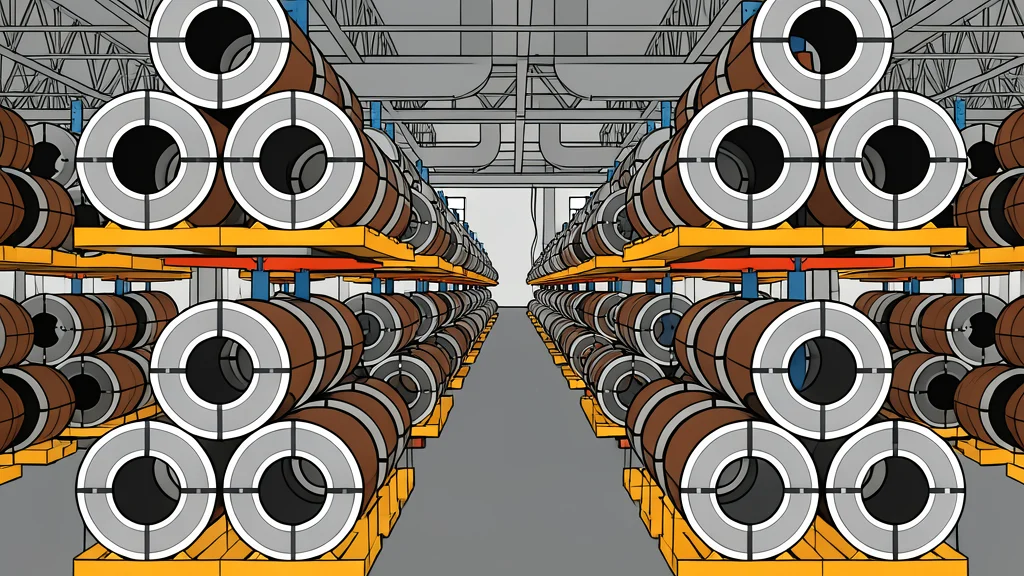
Investors often mislabel Constellium as a simple commodity play, overlooking its structural shift toward value-added aluminum solutions.
Market participants frequently categorize Constellium based on raw aluminum output, assuming its earnings fluctuate directly with London Metal Exchange price swings. This perception, however, misrepresents the company’s actual operational structure and financial drivers. The stock is often traded as a high-beta cyclical asset, yet the underlying business model has diverged significantly from pure commodity production.
Recent analysis challenges the prevailing view that Constellium is overly dependent on spot prices. The company’s revenue streams are increasingly anchored in processed materials and long-term customer contracts, creating a buffer against short-term market volatility. This distinction suggests a more nuanced risk profile than the current market pricing implies.
Divergence from Commodity Pricing Models
Traditional aluminum producers derive most of their margin from the spread between raw material costs and sale prices. Constellium, by contrast, focuses on downstream processing where value is added through alloying, rolling, and forming. This shift means that while input costs still matter, the final product command prices driven by specification and quality rather than bulk weight. Consequently, the correlation between CSTM earnings and LME aluminum prices is weaker than that of its upstream peers.
Structural Shift in Revenue Composition
The company’s portfolio includes specialized products for aerospace, automotive, and packaging sectors, which require consistent performance and reliability. These segments rely on long-term supply agreements that stabilize cash flow. Unlike spot-market transactions, these contracts often include pricing formulas that protect both parties from extreme volatility. This structure reduces the binary risk associated with single-commodity exposure.
Operational efficiency further decouples earnings from raw price movements. Investments in energy efficiency and recycling capabilities lower the cost base independently of market price. This allows Constellium to maintain margins even when aluminum prices decline, provided volume remains stable. The focus on operational leverage rather than price speculation creates a more predictable earnings baseline.
Reassessing Valuation Frameworks
Valuation multiples applied to Constellium often reflect those of pure-play aluminum miners. This may understate the quality of its earnings stream. Investors who treat CSTM solely as a cyclical commodity stock may miss the contribution of its diversified product mix. A more accurate assessment requires analyzing segment margins and contract duration rather than just headline commodity prices.
The source material, GN auto stocks/materials: aluminum production, highlights this misalignment in market perception. By focusing on the specific nature of Constellium’s output, analysts can better identify the true drivers of shareholder value. The company’s trajectory suggests a transition from a price-taker to a value-adder, a distinction that is critical for long-term investment theses.