Saudi Arabia Unveils Massive Rare Earth and Uranium Find
Saudi Arabia has confirmed a major mineral discovery at Jabal Sayid, adding 110 million tonnes of rare earths and uranium to its strategic inventory and reinforcing its pivot beyond hydrocarbons.
Saudi Arabia has disclosed the identification of 110 million tonnes of raw material containing rare earth elements and uranium, marking a significant expansion of the kingdom’s non-oil resource base. The announcement, made by Energy Minister Prince Abdulaziz bin Salman during the International Atomic Energy Agency General Conference, highlights the strategic potential of the Jabal Sayid project in Madinah. This discovery follows extensive geological surveys and adds to the country’s growing inventory of critical minerals essential for advanced technology and defense sectors.
The site is already an operational hub for copper mining, managed through a 50:50 joint venture between state-owned Ma’aden and Barrick Mining. However, the new data reveals that Jabal Sayid hosts far more than just copper. According to an analysis by the Center for Strategic and International Studies (CSIS) citing government data, the site contains over 900,000 tonnes of rare earth resources, ranking it as the fourth-largest such deposit globally. This resource is particularly valuable because more than half consists of heavy rare earth elements like dysprosium and terbium, which are critical for high-performance magnets and defense applications.
Uranium Reserves Support Nuclear Ambitions
In addition to rare earths, the Jabal Sayid site holds an estimated 31,000 tonnes of uranium. This co-located resource is pivotal for Saudi Arabia’s long-term energy strategy, as it provides the raw material necessary for a domestic nuclear fuel cycle. The presence of both uranium and heavy rare earths in a single geological formation offers a unique advantage for developing integrated nuclear and advanced manufacturing capabilities. The CSIS notes that this combination could enable the kingdom to reduce its reliance on imported fuel and potentially become a supplier of strategic materials to international partners, including the United States.
Strategic Alignment with US Partners
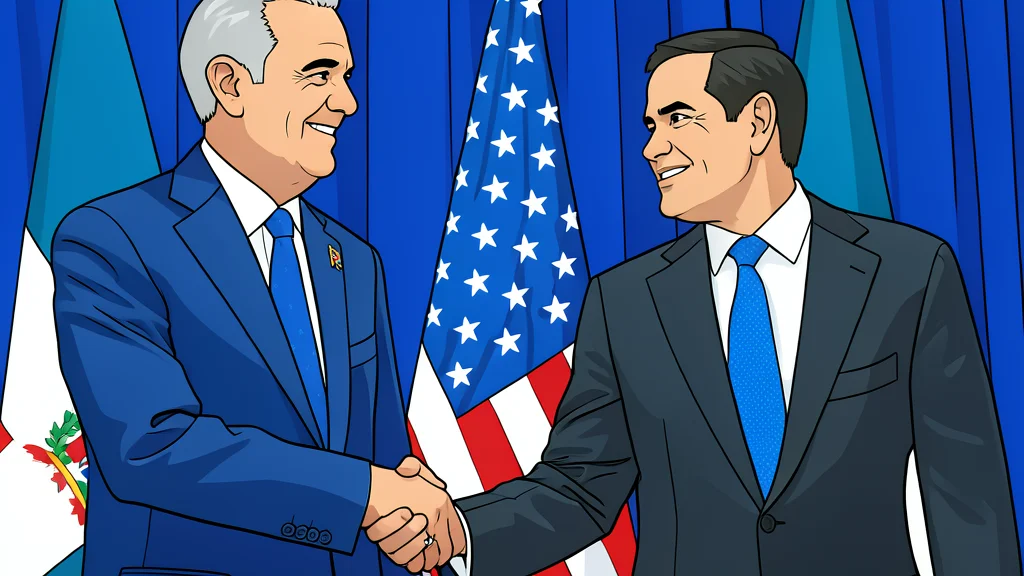
This discovery coincides with a deepening of nuclear cooperation between Riyadh and Washington. Just over a month ago, on July 22, US Energy Secretary Chris Wright and Prince Abdulaziz signed a bilateral nuclear cooperation agreement. The timing of the resource announcement underscores the practical benefits of this diplomatic move. By securing a domestic source of uranium and rare earths, Saudi Arabia strengthens its position in the global supply chain for critical minerals. This development supports the kingdom’s broader economic diversification goals, reducing its dependence on oil and gas revenues while expanding its role in the global energy and technology markets.
Maaden and Barrick Joint Venture
The operational context of this discovery is rooted in the existing Ma’aden-Barrick partnership at Jabal Sayid. While the joint venture has focused on underground copper extraction, the new geological data suggests that the site’s mineral endowment is much broader. The integration of rare earth and uranium processing into the existing infrastructure could significantly lower the barrier to entry for new mining operations. For Ma’aden, this represents a major step in diversifying its product portfolio beyond base metals. For Barrick Mining, it offers an opportunity to participate in the extraction of high-value critical minerals, aligning with global trends toward securing independent supply chains for technology-critical materials.