DuPont Launches Certified Renewable Tyvek for Packaging

DuPont de Nemours introduces a new bio-circular material that allows packaging customers to reduce carbon footprints without altering existing production lines.
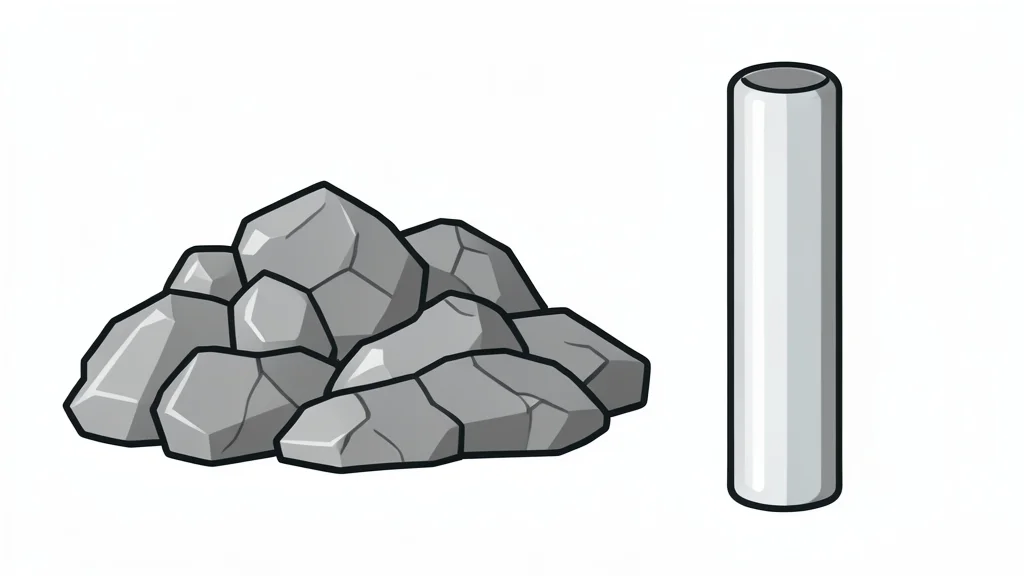
DuPont de Nemours (NYSE:DD) has launched Tyvek with Renewable Attribution, a new offering designed to lower the carbon footprint of industrial packaging. The company, which holds a market capitalization of $16.8 billion, positions this product as a direct substitute for conventional Tyvek. Customers can now source a version of the synthetic fabric that utilizes traceable, non-food second-generation biomass feedstocks. This move targets manufacturers in sectors such as electronics, healthcare, and construction who face increasing pressure to clean up their supply chains without incurring the high costs of retooling production facilities.
The new material carries ISCC PLUS certification, ensuring that the renewable content is traceable and compliant with strict sustainability standards. By offering a drop-in solution, DuPont aims to broaden the addressable market for its Tyvek platform. Companies producing labels, industrial bags, or active packaging can switch feedstock attribution levels from 30% to 100% using their existing equipment. This operational flexibility reduces the barrier to entry for clients seeking sustainable materials, potentially stabilizing demand in key verticals and supporting the company’s broader specialty materials portfolio.
Certified Biomass Drives Supply Chain Shift
The introduction of Tyvek with Renewable Attribution reflects a strategic pivot toward bio-circular materials. DuPont is leveraging its existing technology base to meet regulatory and corporate sustainability mandates. The ISCC PLUS certification is central to this strategy, providing a verifiable link between the final product and its non-food biomass origins. This approach allows DuPont to compete on environmental performance rather than solely on price or technical specification. For the company, this expands its value proposition in an industrials market where procurement decisions are increasingly tied to carbon reduction targets.
This launch intersects with broader trends in sustainable materials, affecting competitors and suppliers across the global packaging industry. By securing a certified renewable feedstock stream, DuPont differentiates itself from manufacturers relying on virgin fossil-based polymers. The company’s broad footprint in electronics and construction provides multiple channels for this new material to generate revenue. As customers seek to meet their own net-zero goals, the ability to offer a certified low-carbon alternative becomes a critical competitive advantage for DuPont’s packaging and industrial segments.
Drop-In Format Reduces Customer Adoption Barriers
A key commercial advantage of the new Tyvek is its compatibility with existing manufacturing processes. Unlike many sustainable material alternatives that require significant capital expenditure for new machinery, this product functions as a direct replacement. Customers can adjust their renewable attribution levels without engineering changes to their production lines. This lowers the risk and cost associated with switching suppliers or materials. Consequently, DuPont can capture a larger share of the sustainable packaging market by making the transition to lower-carbon materials simpler and less disruptive for its client base.
This strategy supports DuPont’s goal of improving earnings quality through volume growth rather than relying exclusively on pricing power. By reducing the friction of adoption, the company aims to drive more stable demand across its Electronics, Healthcare, and Water divisions. The drop-in nature of the product also broadens the customer base, allowing smaller and mid-sized manufacturers to participate in the green transition. This diversification of demand sources can provide a buffer against volatility in traditional industrial sectors, enhancing the resilience of DuPont’s revenue streams.
Forward Metrics Align With 2035 Sustainability Goals
Investors will look to upcoming quarterly disclosures to gauge the commercial traction of Tyvek with Renewable Attribution. Key metrics to monitor include the mix of renewable attribution in total Tyvek sales and customer uptake in consumer and industrial applications. DuPont is expected to provide commentary on how this product line contributes to its 2035 Sustainability Goals. These disclosures will offer insight into whether the new material is gaining significant market share or remaining a niche offering. The company’s ability to convert sustainability commitments into tangible revenue growth will be a critical indicator of the product’s long-term success.
The launch also highlights DuPont’s focus on a specialized product pipeline. By integrating certified renewable materials into its core offerings, the company strengthens its position in high-growth sustainability markets. This move is consistent with the view that a focused portfolio can support cash generation and long-term value creation. As the industrials sector evolves, companies that can offer verified, low-carbon solutions are likely to see increased preference from corporate clients. DuPont’s strategic alignment with these trends positions it to benefit from the ongoing structural shift toward sustainable supply chains.