EU Parliament Expands CBAM Scope for Steel and Aluminium Goods
European legislators voted to include downstream steel and aluminium items in the carbon border tax, tightening rules against evasion while accelerating a support fund for domestic producers.
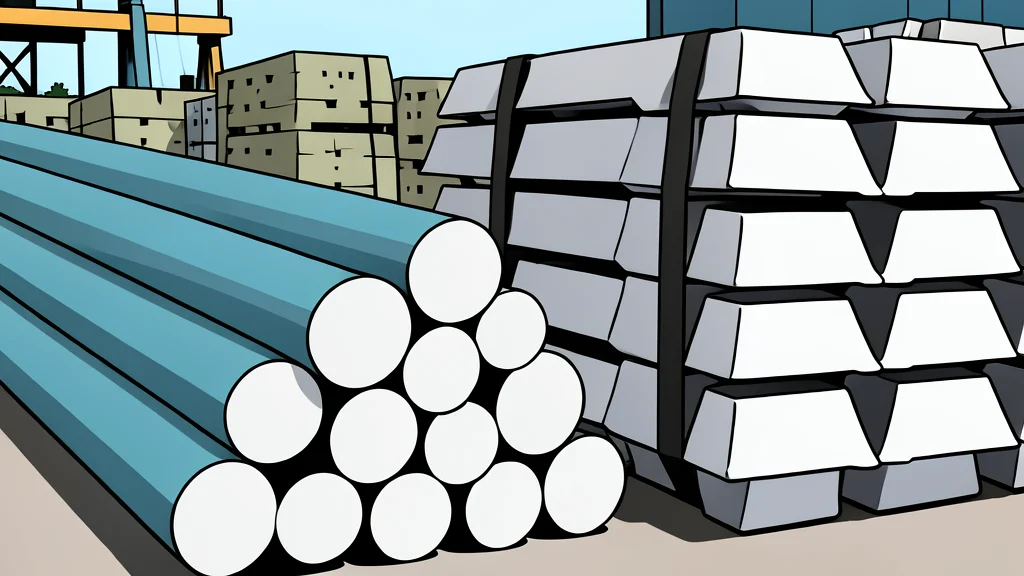
The European Parliament approved a broader scope for the Carbon Border Adjustment Mechanism, extending the carbon levy to downstream steel and aluminium products. The vote recorded 464 votes in favor, 50 against, and 159 abstentions, signaling strong legislative support for covering items like screws, wires, springs, and household utensils. This move expands the mechanism beyond basic raw materials, ensuring that imported finished goods face carbon costs comparable to those of European producers.
The legislation aims to close specific loopholes that currently allow companies to alter product classifications or processing methods to avoid carbon charges. By lowering the threshold for what constitutes circumvention, the new rules target arrangements designed to evade the mechanism rather than standard commercial cost-reduction strategies. Additionally, the European Commission will gain the authority to apply default emissions values based on the country of origin if importers show repeated non-compliance, making it harder to manipulate trading routes.
Legislators Reject Temporary Product Exclusions
Parliamentarians rejected proposals to temporarily exclude specific products from the carbon tax during periods of high price volatility. Instead of removing goods from the scope, the approved position directs CBAM revenues from these affected items toward sectors suffering from higher carbon-related costs. This approach maintains the integrity of the border adjustment while providing a financial buffer for industries facing significant competitive pressure from international rivals that do not pay equivalent carbon fees.
The package also includes simplified notification procedures and technical assistance for less developed countries to help them comply with the new reporting requirements. A specific exemption was proposed for electricity imports from third countries when required by network operators to maintain grid stability. These adjustments aim to balance environmental rigor with practical operational needs, ensuring that critical infrastructure and developing economies are not disproportionately burdened by the expanded regulatory framework.
Decarbonisation Fund Timeline Moved to 2027
Supporting the CBAM expansion, the Parliament backed a temporary decarbonisation fund with 433 votes in favor. The approved timeline brings the fund's start forward from 2028 to 2027, operating through 2029. This acceleration is intended to provide earlier financial relief to European producers competing against companies that do not face comparable carbon costs, addressing immediate liquidity and investment challenges in the interim period.
The scope of the fund has been broadened to include fertiliser manufacturers and users of fertilisers, recognizing the sector's importance to food security. Products such as urea, ammonium nitrate, and ammonium sulfate will fall under this expanded support framework. Furthermore, any companies using CBAM-covered products as raw materials in their manufacturing processes will be eligible for assistance, ensuring that downstream industries are protected from increased input costs.
Unused Funds Target Climate Finance
A key provision in the Parliament’s proposal dictates that any unused funds from the decarbonisation initiative will be redirected to the EU’s international climate-financing commitments under the Paris Agreement. Rather than returning these resources to member states, the legislation prioritizes global climate goals. This ensures that the financial structure of the CBAM and its support mechanisms aligns with broader international environmental obligations.
With both legislative positions now approved, the European Parliament can begin negotiations with EU member-state governments to finalize the legislation. For steel and aluminium producers, the coming months will focus on preparing for the wider product coverage and the associated compliance requirements. The source material from GN auto stocks/materials: aluminum production highlights that this expansion significantly widens the range of goods whose embedded carbon emissions will be scrutinized upon entry into the European market.