Inola Referendum Threatens $4b Oklahoma Aluminum Smelter
Emirates Global Aluminium and Century Aluminum face a local vote and state litigation that could delay or relocate their planned 750,000-tonne facility.
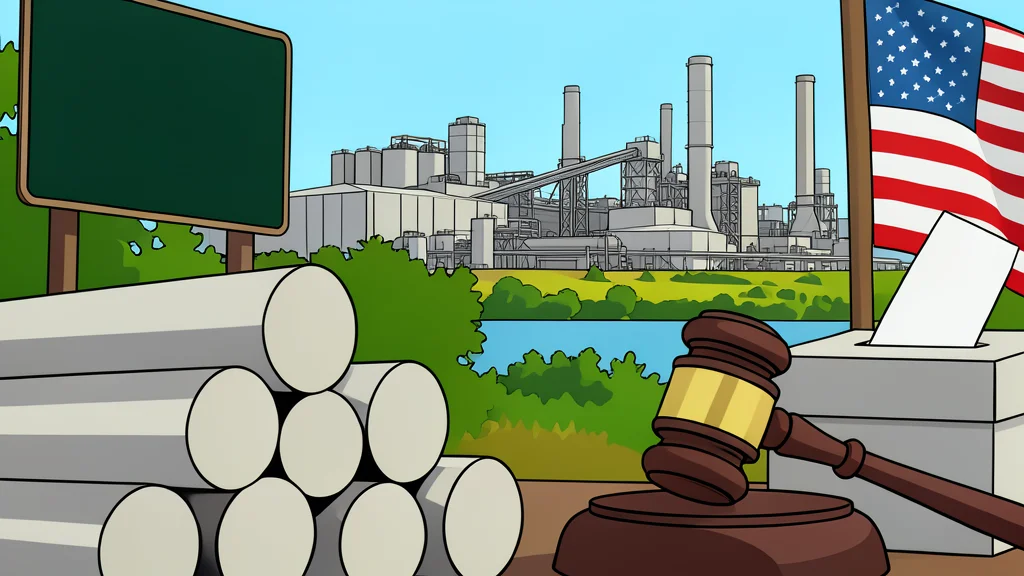
The $4 billion aluminum smelter project in Oklahoma faces a critical procedural hurdle as the Inola City Council extended its permit moratorium through April 2027 and voted to hold a public referendum. This decision by local officials creates a direct conflict with the development timeline of Emirates Global Aluminium (EGA) and Century Aluminum, who view the facility as a cornerstone of US industrial capacity. The project, which would more than double domestic primary aluminum production, is now subject to a community vote that developers argue undermines ongoing legal processes.
The proposed 750,000-tonne-per-year facility is designed to become the largest primary aluminum source in the Western Hemisphere, addressing a situation where the US currently imports roughly 60 percent of its primary aluminum. EGA and Century Aluminum have positioned the plant as essential for national security and supply chain resilience in sectors ranging from aerospace to defense. However, the shift in Inola’s political stance, from years of support to active opposition, introduces significant uncertainty to the project’s viability at its current site.
Legal and regulatory challenges persist
Oklahoma Attorney General Gentner Drummond continues to oppose the construction, having filed a lawsuit in June to block the project over environmental concerns. A federal judge recently denied the developers’ request to transfer the case to federal court, keeping the dispute in state jurisdiction where it is currently active. The US Department of Justice has publicly backed EGA and Century Aluminum, citing the importance of the facility for military readiness, but the legal battle remains unresolved.
Developers have criticized the decision to proceed with a referendum while the lawsuit is pending, arguing that a vote before the appeals process concludes could expose Inola taxpayers to substantial financial and legal risks. They contend that the current legal strategy by state officials subverts established environmental regulatory processes. The simultaneous existence of a local vote and state litigation creates a complex legal environment for the project, complicating any short-term construction plans.
Emissions reductions and economic impact
In response to environmental concerns raised by the state, EGA and Century Aluminum submitted a regulatory filing indicating a plan to reduce fluoride emissions from the smelter by 37 percent. The companies are also preparing to release an economic impact study within weeks to quantify the local benefits of the facility. Ziad Fares, a developer on the project’s engineering team, stated that community trust and transparency remain central to their approach, though the current political climate in Inola suggests these efforts have not yet secured local approval.
The project’s location within the Port of Inola industrial park, where the Tulsa-Rogers County Port Authority acquired over 2,000 acres in 2019, is now under threat. If the referendum results negatively or the legal challenges continue to stall progress, the developers may be forced to reconsider the site selection. This potential relocation would affect the broader strategic goal of expanding domestic primary aluminum supply, which has been a priority for US industrial policy in recent years.
Strategic implications for US supply
The uncertainty surrounding the Inola project highlights the challenges of introducing large-scale industrial infrastructure in the US. While the facility promises to reduce reliance on imports and strengthen the domestic aluminum sector, local political dynamics and state-level legal opposition present significant barriers. The outcome of the referendum and the ongoing lawsuit will determine whether this project proceeds in Oklahoma or faces a delay that could impact the national supply chain for primary aluminum.