Prysmian and Rio Tinto Deploy Low-Carbon Aluminum in AWS Cables
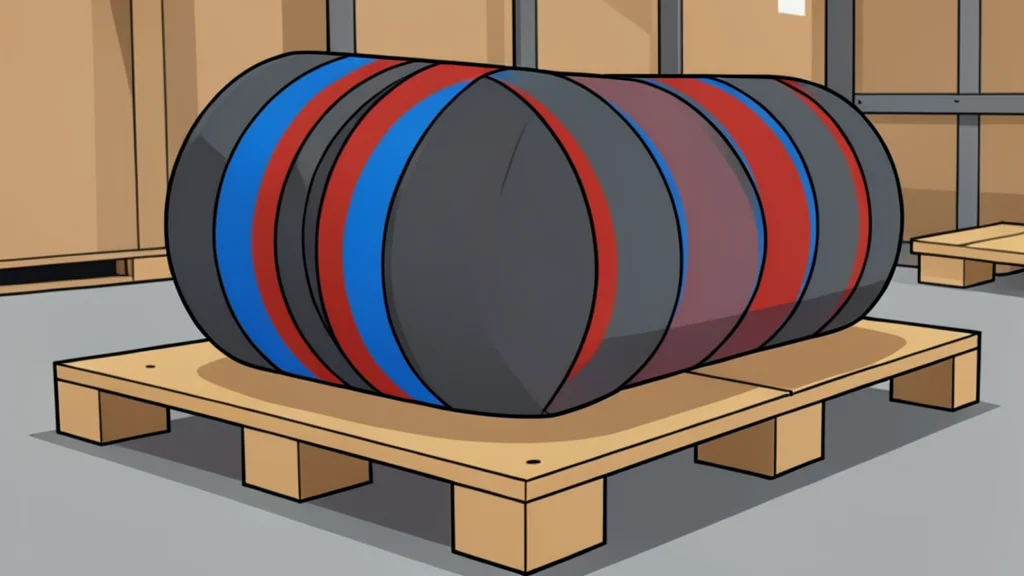
Prysmian and Rio Tinto have integrated ELYSIS aluminum into electrical cables for an Amazon data center in Ohio. This marks the first known application of inert-anode smelting technology in such infrastructure, sourced from Quebec hydropower.
Prysmian and Rio Tinto have supplied electrical cables incorporating ELYSIS aluminum for an Amazon data center near Columbus, Ohio. This installation represents the first documented use of aluminum produced via inert-anode smelting technology within a data center environment. The collaboration combines Rio Tinto’s low-emission smelting process with Prysmian’s cable manufacturing capabilities, serving Amazon’s infrastructure needs.
The project supports Amazon Web Services’ strategic objective to achieve net-zero emissions across its operations and supply chain by 2040. By replacing conventional carbon-intensive aluminum with ELYSIS material, the companies address upstream emissions associated with critical infrastructure. The initiative validates the scalability of lower-carbon materials in high-performance electrical applications.
Inert-Anode Smelting Reduces Direct Emissions
ELYSIS technology fundamentally alters the aluminum smelting process by eliminating direct greenhouse gas emissions. Instead of releasing carbon dioxide and perfluorocarbons, the inert-anode method produces oxygen as a by-product. This chemical shift addresses a major source of industrial carbon output, aligning material production with broader decarbonization goals.
For Prysmian, the deployment demonstrates that lower-carbon aluminum can meet the rigorous performance standards required for data center power distribution. The company emphasizes that sustainability must not compromise electrical reliability or quality. This project serves as a practical proof of concept for integrating advanced smelting outputs into standard industrial cable products.
Quebec Hydropower Powers US Cable Production
All aluminum supplied for these cables was produced in Quebec, Canada, utilizing renewable hydropower. Rio Tinto notes that combining renewable electricity with ELYSIS inert-anode technology creates a distinct pathway for reducing infrastructure emissions. The finished cables are manufactured and shipped from Prysmian’s facility in Sedalia, Missouri, maintaining a domestic US supply chain for the installation.
Wesco acts as the distribution partner, facilitating the movement of these specialized cables to the site. The collaboration illustrates a coordinated approach among manufacturers, distributors, and end-users to implement sustainability-focused infrastructure. This tripartite structure ensures that low-carbon materials reach critical facilities without disrupting existing logistics networks.
Prysmian Pursues 2035 Net-Zero Revenue Targets
Prysmian has established a corporate target to become Net Zero by 2035. The company aims for 55% of its revenues to derive from sustainability-linked solutions by 2028. The Amazon data center project provides an early application for ELYSIS aluminum, while the firms continue to explore methods for expanding low-carbon cable solutions across broader industrial sectors.