Ivory Coast Launches Simep Refinery to Boost Gold Output
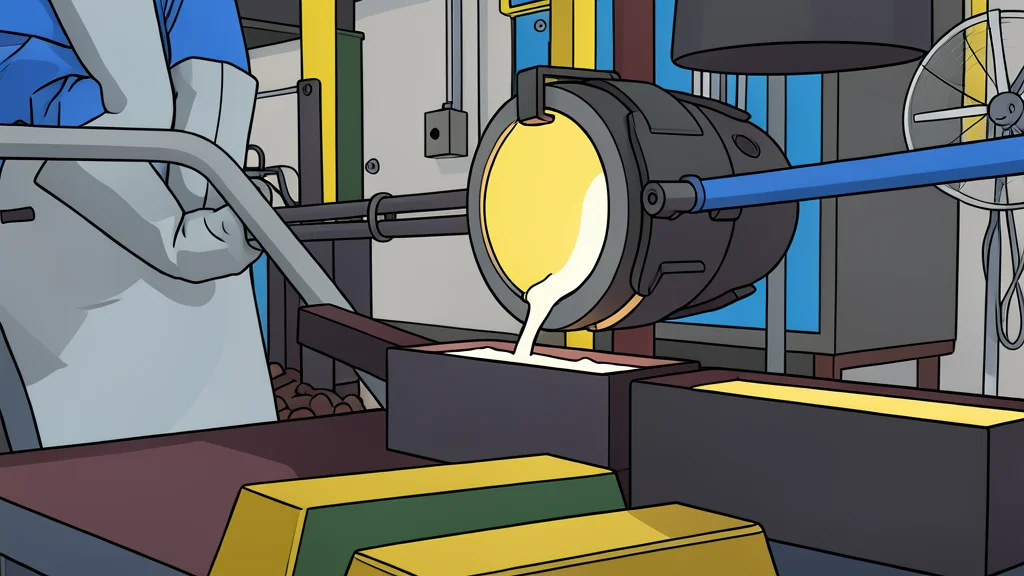
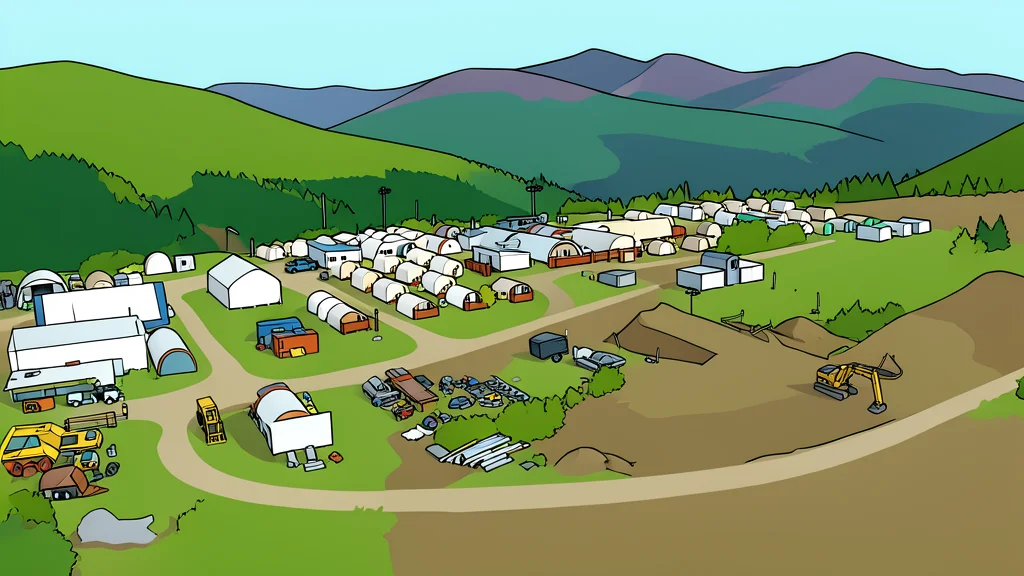
Ivory Coast will commence operations at a new 100-tonne gold refinery in early 2027. The facility, run by Simep, supports a national target to reach top producer status by 2035.
Société Ivoirienne des Métaux Précieux, or Simep, will begin processing gold at a new facility in the first half of 2027. The plant is designed to refine up to 100 metric tons of gold annually, a capacity that aligns with the country’s projected industrial mine output. This expansion marks a significant shift in the local value chain, moving from raw extraction to refined product generation.
The refinery is a cornerstone of Ivory Coast’s strategy to become Africa’s largest gold producer by 2035. Currently ranking eighth on the continent with annual production of roughly 60 tons, the government aims to double this figure by 2030. The new infrastructure directly supports this growth trajectory by ensuring that increased extraction volumes can be processed domestically rather than exported as raw material.
Refinery Capacity Aligns with Production Goals
Mines, Petroleum and Energy Minister Mamadou Sangafowa-Coulibaly confirmed that the unit will be operational by the end of the first half of 2027. The facility’s throughput of 100 tons per year is calibrated to match the expected output from expanded mining operations. This synchronization ensures that the refining stage does not become a bottleneck for the sector’s planned expansion.
The government projects that national gold production will reach 100 tons by 2030, driven by specific capital projects. Perseus Mining is expanding its Yaouré mine, while Montage Gold plans to commission the Koné mine by the end of 2026. These upstream investments provide the feedstock for the new downstream refining capacity, creating a vertically integrated production model.
StoneX Partnership Enhances Market Access
Gold refined at the Simep facility will be marketed in partnership with StoneX Group, a US-based financial services firm. This collaboration provides a direct channel for international distribution, enhancing the global visibility of Ivorian gold. The arrangement shifts the country’s role from a commodity supplier to a provider of refined, investable assets.
This move aligns with a broader regional trend where African governments are restricting the export of unprocessed minerals. Kenya has announced plans to ban raw mineral exports, while Ghana and Zimbabwe have introduced similar restrictions. By refining locally, Ivory Coast captures a larger share of the value chain, reducing reliance on external processing hubs.
Strategic Shift Toward Domestic Value
The establishment of the refinery reflects a policy shift aimed at retaining economic value within the country. According to World Gold Council data, Ghana currently leads African production with 192.4 tons, followed by Zimbabwe and Guinea. Ivory Coast’s expansion strategy is designed to close this gap, leveraging both increased mine output and refined product sales to improve its global standing.
The integration of mining and refining operations creates a more resilient industrial ecosystem. By controlling both extraction and processing, the state and its partners can better manage supply chains and pricing dynamics. This structural change positions Ivory Coast to compete more effectively in the global gold market through the mid-2030s.