Mercuria and Glencore Discuss Venalum Smelter Deal
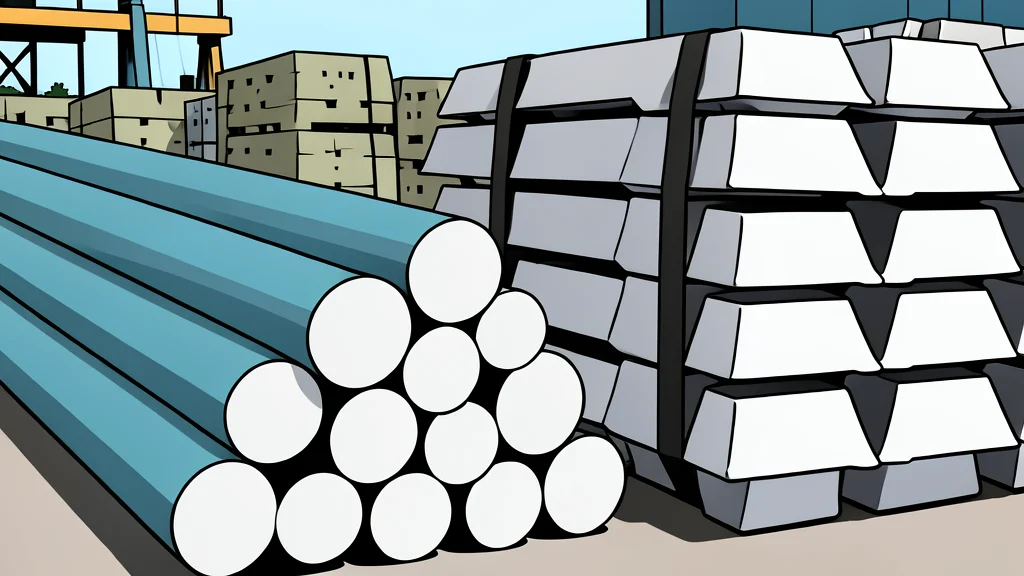
Mercuria Energy Group and Glencore are exploring a transaction to revitalize Venezuela's Venalum smelter, aiming to restore production capacity that has fallen significantly below its historical peak.
Mercuria Energy Group Ltd. and Glencore Plc are in discussions to potentially take over operations at Venalum, Venezuela's largest aluminum smelter. The facility, located in Puerto Ordaz, has seen production drop to roughly 100,000 tonnes annually from a capacity of 430,000 tonnes due to years of underinvestment and power instability. The potential deal includes securing access to the aluminum produced and bringing new operating expertise to the state-owned asset, according to reports from GN auto stocks/materials: aluminum production.
Mercuria is collaborating with private mining investment firm Heeney Capital on the transaction, leveraging previous joint ventures in Venezuelan commodities. Glencore has maintained ties with Venezuela's state aluminum industry for over two decades, including past financing arrangements. The move aligns with a broader tightening of the global aluminum market, where prices have risen approximately 9 percent this year amid supply concerns linked to Middle East tensions and China operating near its government-imposed capacity limits.
Historical Production Decline
Venalum was commissioned in 1979 by Corporación Venezolana de Guayana (CVG) and benefited from cheap hydroelectric power from the Guri complex. At its peak, the smelter produced 640,000 tonnes of aluminum, contributing to Venezuela's status as a top global producer in the early 2000s. However, production began declining in 2009 following mismanagement issues at the state power company CORPOELEC. By 2015, annual output had fallen to approximately 110,000 tonnes, with only 262 of the 905 installed cells operating.
A nationwide blackout in March 2019 halted the remaining operations at Venalum and its sister plant, Alcasa. While Alcasa never restarted and remains permanently closed, Venalum partially recovered but has remained stuck at roughly 100,000 tonnes per year. The smelter's location near bauxite reserves and hydroelectric resources provided a strong cost advantage when fully operational, a benefit that remains unrealized due to persistent infrastructure and governance challenges.
Market Context and Strategic Fit
The potential acquisition comes as Glencore expands its aluminum portfolio, having recently acquired a 45 percent interest in an aluminum recycling and remelting plant. Restoring Venalum's capacity could offer significant supply relief in a market where China is constrained by policy limits and geopolitical tensions are disrupting other supply chains. The deal would provide Mercuria and Glencore with direct control over a major production asset, potentially stabilizing output in a region critical to global aluminum supply.
Venezuela's government is seeking to rebuild its weakened industrial sector, making it more open to private investment and operational partnerships. The proposed transaction focuses on revitalizing a key industrial asset that has been underutilized for over a decade. Success in reviving Venalum would depend on resolving long-standing power supply issues and integrating the facility into a more efficient global supply network.