Mexico Seeks Lower US Aluminum Tariffs in USMCA Review
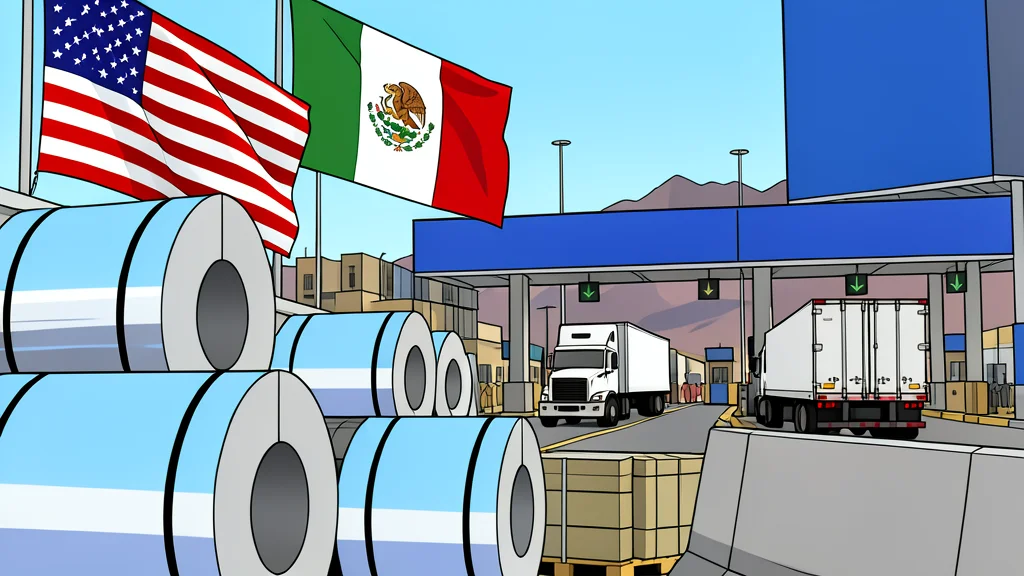
Mexico and the US advance trade talks focused on reducing tariffs for aluminum, steel, and autos while negotiating strict new rules of origin.
Key points
- Mexico requests lower US tariffs on aluminum, steel, and autos as part of the USMCA review process.
- Negotiations focus on balancing US demands for regional sourcing with Mexico's need for global component access.
- Officials will withhold specific deal details until a final agreement is reached, with further talks scheduled for September.
Mexico has formally requested lower United States tariffs on aluminum, steel, and automobiles as bilateral trade negotiations progress. President Claudia Sheinbaum confirmed that recent discussions with Washington have yielded movement toward a potential agreement, though specific terms remain undisclosed until a final deal is reached.
These negotiations are embedded within the broader review of the United States-Mexico-Canada Agreement. The dialogue aims to resolve sector-specific barriers while preserving the integrated manufacturing networks that define North American industrial output.
Negotiations Target Specific Tariff Reductions
The core economic demand from Mexico is the reduction of current US duties on metal and vehicle imports. According to reporting from AL Circle, officials are discussing how to lower these barriers to stabilize cross-border trade flows. The US side is simultaneously pushing for stricter regional sourcing requirements, creating a direct trade-off between market access and supply chain localization.
Mexico relies heavily on the US as its primary export destination, making the resolution of these tariffs critical for its industrial sector. The outcome will determine whether current production models remain viable or if manufacturers must restructure their supply chains to meet new compliance standards.
Rules of Origin Define Negotiation Stakes
A central point of contention involves the rules governing the origin of products, particularly those containing components from outside North America. Washington seeks tighter controls to ensure goods are regionally sourced, whereas Mexico aims to maintain flexible access to global inputs while retaining US market entry. This tension directly impacts industries with high component complexity, such as automotive and metals processing.
The governments have agreed not to release details of individual sessions until a comprehensive agreement is finalized. This strategy prevents premature market speculation and ensures that leverage remains intact during the ongoing review process.
Future Talks Scheduled for September
Following several rounds of negotiations earlier this year, including a July session covering economic security and labor, both nations are preparing for another round of discussions later in September. These upcoming talks will be decisive in bridging the remaining gaps on tariff levels and origin standards before any formal commitment is made.