NSF Funds $3.3M Project to Recover Rare Earths from Industrial Waste
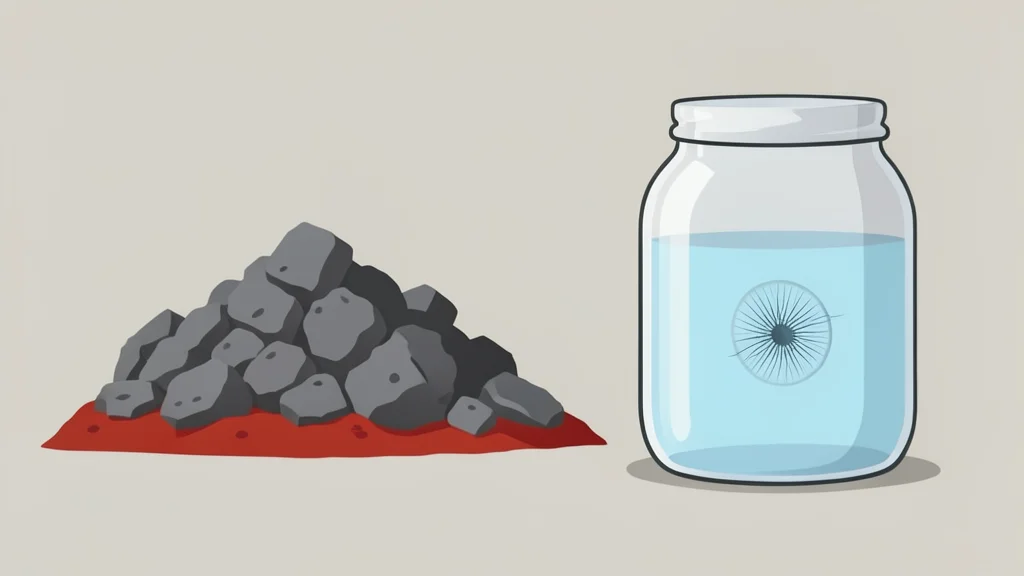
A new research initiative aims to unlock $8.4 billion in value from U.S. coal ash by applying biological principles to mineral extraction.
Worcester Polytechnic Institute has secured a $3.3 million grant from the National Science Foundation to develop low-energy methods for extracting critical minerals from industrial waste streams. The five-year project targets coal ash, red mud, and mine tailings, materials currently viewed primarily as environmental liabilities rather than resource reserves. By leveraging biological processes inspired by diatoms and sea sponges, the research team seeks to reduce the high energy and chemical costs associated with traditional silicon and rare earth element recovery.
The initiative is led by Mingjiang Tao, associate professor in the Department of Civil, Environmental, and Architectural Engineering, alongside co-principal investigators Carrick Eggleston and Yan Wang. Collaborating institutions include George Mason University, the University of California San Diego, the University of Massachusetts Amherst, and the University at Buffalo. The project is structured as a two-phase convergence research effort, focusing on creating a whole-material approach that separates strategic elements while converting the remaining waste into useful industrial products.
Biological Models Reduce Extraction Costs
Traditional processing of silicon-derived materials for concrete, glass, semiconductors, and silicones requires high temperatures and intensive chemical processing. The proposed method utilizes biological mechanisms to lower these energy demands. This shift addresses the dual challenge of managing large volumes of silicon-rich waste while simultaneously recovering valuable resources without the heavy environmental footprint of current industrial standards.
Significant Value in U.S. Waste Streams
U.S. coal ash landfills contain an estimated 11 million tons of rare earth elements, representing a potential value of $8.4 billion. This amount is nearly eight times the nation’s current raw domestic reserves of these critical minerals. These elements are essential for electronics, clean-energy technologies, transportation, and national security, making their recovery from existing waste piles a strategic priority for reducing import dependence.
Holistic Waste Management Strategy
The research aims to move beyond simple extraction by utilizing as much of each waste stream as possible. By separating strategically important elements and converting the remainder into useful products, the project offers a comprehensive model for industrial waste management. This approach could fundamentally alter how industries handle byproducts such as metallurgical slag, concrete debris, and waste glass, turning potential liabilities into economic assets.