Rare Earth Stocks Face Critical Supply Timing Gap
Western rare earth operators face a narrow window to replace Chinese exports before 2027 restrictions tighten, favoring firms with immediate separation and magnet capacity over those with long-term mine plans.
A structural mismatch is emerging in the global rare earth supply chain, creating what market observers term the Transition Vulnerability Window. China’s November 10 export-control deadline precedes the effective date of expanded U.S. Defense Federal Acquisition Regulation Supplement (DFARS) restrictions by roughly two months. Meanwhile, significant Western capacity for separation, metallization, and magnet production is not scheduled for commissioning until 2028 or later. This temporal gap forces a reassessment of equity value, shifting focus from geological reserves to the speed of commercial delivery.
According to analysis from rareearthexchanges.com, the traditional metrics of tonnage and grade are insufficient to capture this risk. A kilogram of qualified dysprosium available outside China in 2027 holds higher strategic utility than the same amount buried in a deposit slated for 2031. Consequently, a new valuation framework is taking shape, one that weighs resource quality, metallurgy, and downstream reach against the time-to-market for qualified molecules. This approach differentiates companies that can bridge the 2025–2030 supply gap from those that cannot.
Tier One Operators Hold Operational Edge
Lynas Rare Earths and MP Materials currently occupy the top tier due to existing industrial proof. Lynas operates the largest ex-China mining and separation system, having commenced separated dysprosium production in Malaysia, with terbium following. This capability is exceptionally scarce in the Western sector. MP Materials combines Mountain Pass mining with U.S. neodymium-praseodymium separation and emerging magnet production. Its agreement with the Department of Defense establishes a $110/kg price floor for neodymium-praseodymium, providing a financial buffer against Chinese price pressure. However, MP faces challenges in heavy rare earth depth and scaling magnet production.
Neo Performance Materials and Energy Fuels also demonstrate distinct advantages in this transition period. Neo’s Estonian magnet plant has moved beyond qualification to commercial shipments of sintered magnets to a Tier-1 traction-motor customer, while its Silmet facility has commissioned continuous small-scale dysprosium and terbium separation. Energy Fuels leverages its White Mesa separation capability and proposes a $1.9 billion acquisition of VAC to integrate established metal and magnet expertise. This includes an operating 2,000-tonnes-per-year magnet facility in South Carolina. However, its planned expansion for dysprosium and terbium separation is targeted for mid-2029, placing it further into the vulnerability window.
Molecular Specificity Drives Valuation Logic
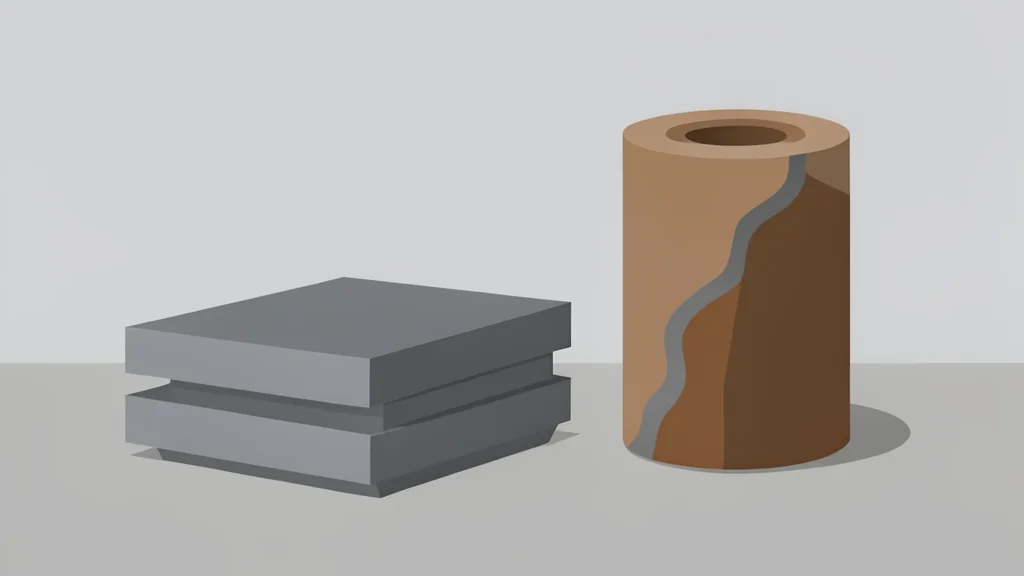
Investors must recognize that aggregate rare earth oxide tonnage is a misleading metric. Specific elements cannot be substituted; cerium does not replace terbium, and raw oxide is not a qualified magnet alloy. The market is shifting to a 'Time-to-Qualified-Molecule' paradigm. This model assigns premium value to companies that can deliver the correct element in the correct form within the required jurisdiction before the 2027 regulatory deadline. The strategic value accrues to operators who eliminate midstream bottlenecks first, rather than those with the largest theoretical deposits.
The clock is merciless for companies aiming for 2028–2030 commissioning targets. As the supply gap widens, the ability to qualify molecules for defense and automotive applications becomes the primary driver of equity performance. Firms with proven separation and downstream integration are positioned to capture the transition premium, while those relying solely on future mine development face heightened execution and timing risks. The market is effectively pricing in the cost of time, rewarding operational readiness over geological potential.