U.S. Aluminum Shortage Hits Work Truck Costs

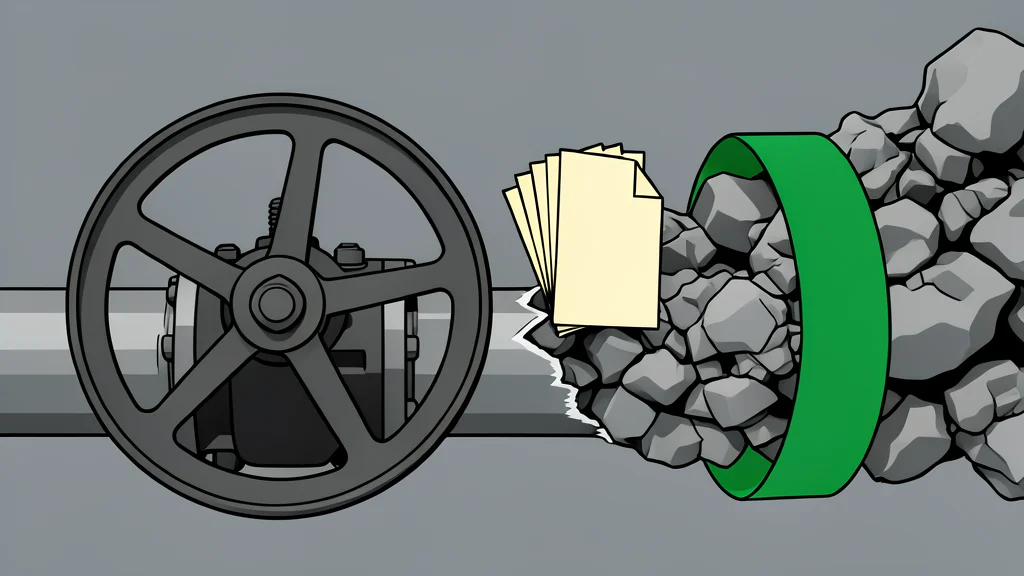
A 50% tariff on Canadian aluminum aims to rebuild domestic smelting capacity, but the gap between policy and production reality is squeezing work truck manufacturers who rely on immediate supply.
The United States has imposed a 50% Section 232 tariff on primary aluminum imports, a move designed to stimulate domestic smelting capacity and reduce reliance on foreign sources. However, this protectionist measure creates an immediate supply mismatch for downstream manufacturers. While the policy targets long-term industrial independence, it does not instantly generate the physical infrastructure required to meet current demand, leaving companies that build vocational equipment facing higher input costs and constrained material availability.
Work truck manufacturers, who assemble service bodies and walk-in vans using American labor, are finding that the definition of domestic production is complex. Although the final vehicles are built in U.S. plants, the primary aluminum required for these structures largely originates from Canada. The tariff effectively raises the cost of this essential raw material for American factories, creating a financial burden that persists until new domestic smelting facilities become operational.
Domestic Smelting Capacity Remains Critical
Data from the Aluminum Association indicates a severe decline in primary production infrastructure within the United States. The number of operating primary aluminum smelters has dropped from 24 in 2000 to just four today. Even at full operational capacity, these remaining facilities can satisfy only approximately 25% of domestic primary aluminum demand. This structural deficit means that the majority of raw aluminum consumed in the U.S. must be sourced externally, primarily from Canadian producers.
The reliance on Canadian supply is driven by energy economics. Aluminum smelting is exceptionally energy-intensive, and Quebec possesses abundant hydroelectric resources that account for roughly 90% of Canada's primary aluminum output. With 96% of Canadian smelting power derived from hydroelectricity, the province offers a cost-effective production environment that the U.S. currently lacks. The U.S. industry has shifted its workforce toward recycling and downstream manufacturing, where 98% of aluminum jobs are now located, but this shift does not replace the need for primary metal inputs.
New Infrastructure Takes Years to Build
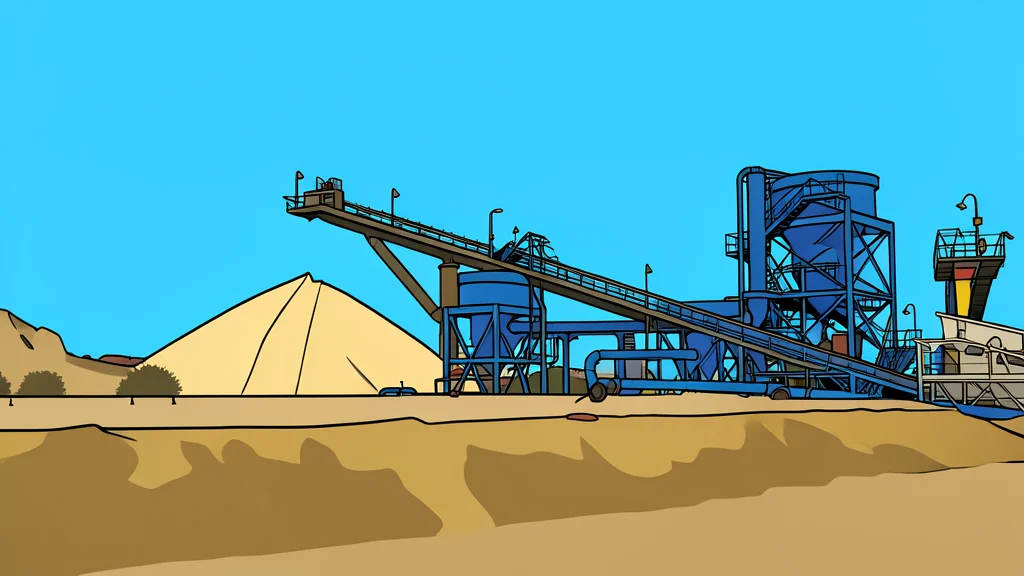
The Department of Energy is currently supporting the construction of the first new primary aluminum smelter in the United States since 1980. Located in Oklahoma, this multibillion-dollar project aims to produce over 500,000 tons of aluminum annually upon completion. While this investment represents a significant step toward reducing import dependence, the timeline for construction and operational integration extends well beyond the current fiscal year. Consequently, manufacturers cannot rely on this new capacity to alleviate immediate supply pressures or cost increases.
In the interim, the market remains tight. The absence of immediate new domestic capacity means that U.S. manufacturers must compete for limited existing supply. This competition drives up prices for aluminum and related metals, regardless of whether a specific company purchases directly from Canadian suppliers. The ripple effects of constrained supply propagate through the broader metals market, impacting procurement budgets across the vocational vehicle sector.
Tariffs Increase Vehicle Production Costs
For work truck manufacturers, the financial impact of tariffs and supply constraints is direct and material. Aluminum is a critical component in vehicle bodies because it reduces weight, preserves payload capacity, and resists corrosion. These properties influence fuel efficiency, equipment longevity, and the overall economics of the finished vehicle. When the cost of aluminum rises due to import duties and supply scarcity, manufacturers face increased production costs that may ultimately be passed on to fleet customers.
The situation highlights a tension between long-term industrial policy and short-term manufacturing needs. While the goal of rebuilding domestic metals production is strategically important, the mechanisms in place do not provide immediate relief for companies that require raw materials today. Until new smelters are fully operational, the U.S. work truck industry must navigate a market characterized by higher input costs and supply volatility, driven by the gap between current domestic production and total demand.