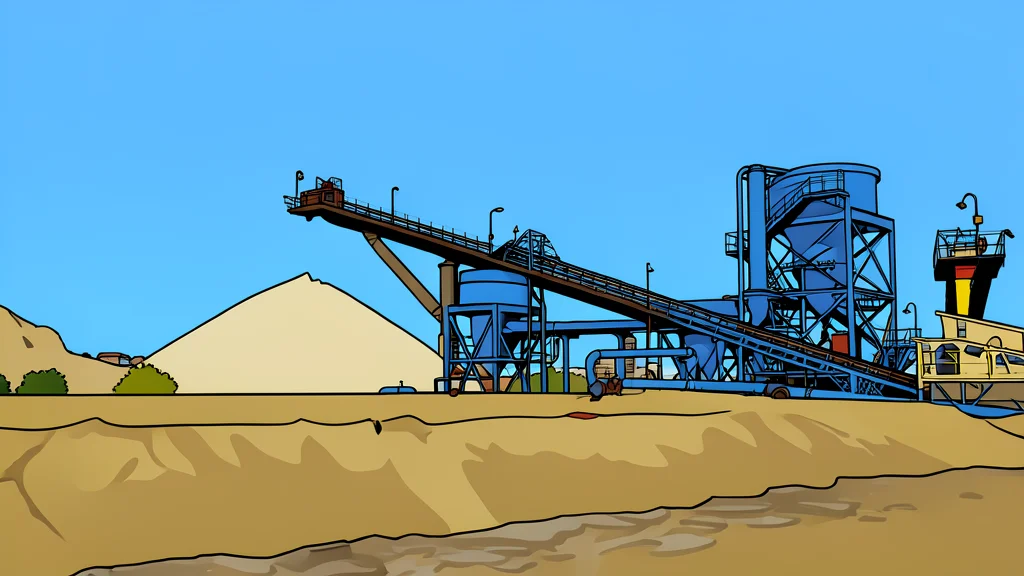
US Aluminum Rebuild Relies on Casthouse and Maintenance Suppliers
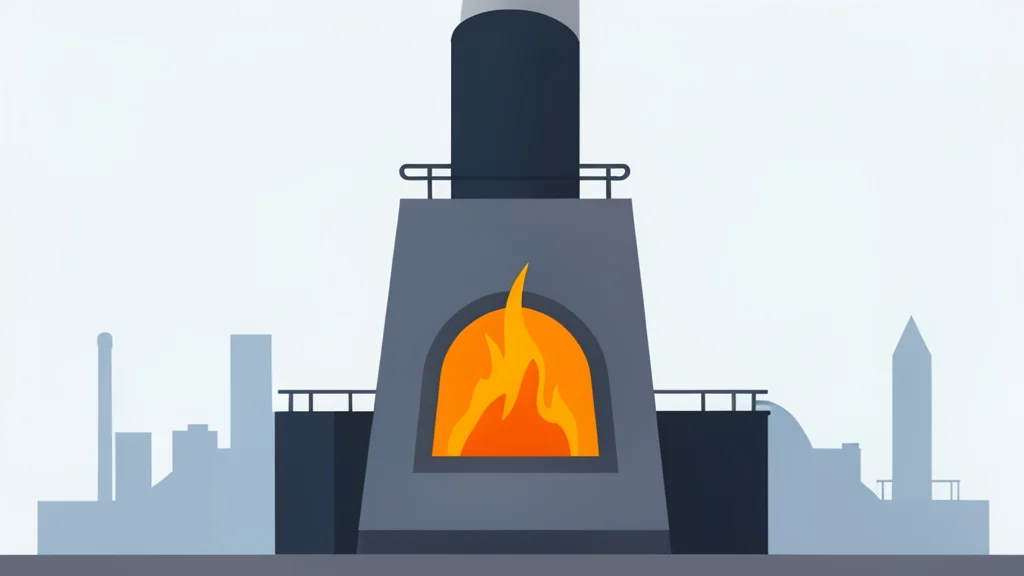
US primary aluminum output remains constrained by limited smelter capacity, shifting the focus of the industrial rebuild toward casthouse technology and potroom maintenance firms.
The United States primary aluminum sector faces a structural deficit, with operational smelters dropping from approximately thirty to four over the last two decades. Primary output is estimated at 660,000 metric tons in 2025, a volume that leaves the nation heavily dependent on imports. Section 232 tariffs have further restricted inbound trade, creating a policy environment that incentivizes domestic production but exposes a critical gap in downstream processing infrastructure.
Rebuilding this capacity requires more than restarting electrolysis pots; it demands the industrial machinery to convert molten metal into usable products. Companies such as Almex USA, Storvik Group, and Molten Metal Equipment Innovations are positioned as key enablers of this shift. Their roles involve supplying casthouse systems, maintaining aging electrolysis assets, and providing the metal quality controls necessary to make domestic production viable against global competition.
Casthouse systems anchor new smelter plans
Almex USA serves as a central supplier for the planned Inola, Oklahoma smelter, a joint venture between Century Aluminum and Emirates Global Aluminum. The project, valued at $4 billion, targets 750,000 metric tons of annual capacity. Once the primary metal is produced, it requires casting into billet and slab, a process where Almex provides specialized equipment. The company’s portfolio includes direct-chill casting systems, melting furnaces, and process automation software.
Almex’s technology stack emphasizes metal purity and process control. Its LARS degassing system claims over 75% efficiency in gas removal and 99% inclusion removal, metrics that are critical for aerospace-grade alloys. In April 2024, the company commissioned a complete casting line for Universal Alloy Corporation Europe in Romania. This installation included EXCEL tooling, FILTREX filtration, and CASTRIGHT III automation, demonstrating the firm’s ability to deliver integrated U.S.-engineered systems globally.
Maintenance firms support existing potline reliability
While new construction drives headlines, the operational stability of existing assets remains a bottleneck. Two U.S. smelters operated at reduced capacity in 2025, and facilities in Hawesville, Kentucky, and New Madrid, Missouri, have been idled since 2022 and 2024, respectively. Storvik Group provides the potroom equipment necessary to keep these aging electrolysis cells productive. Their services are essential for maintaining the efficiency of the remaining operational capacity, which is currently under pressure to meet domestic demand.
The reliance on these maintenance and technology providers highlights a broader dependency in the supply chain. The U.S. aluminum industry’s rebuild is not solely a matter of capital expenditure on new smelters but also a function of the technical support ecosystem that ensures metal quality and operational continuity. Firms like Storvik Group and MMEI bridge the gap between raw electrolysis and finished product, underpinning the economic viability of domestic production in a tariff-protected market.
Global reach supports domestic industrial strategy
Almex USA’s export activities illustrate the dual nature of this industrial base. The company has received the U.S. Department of Commerce’s Excellence in Exports Award, reflecting its role in projecting American industrial technology abroad. Its presence spans five continents, with clients including Western Extrusions in Texas and aerospace manufacturers in Europe. This global trade scope allows U.S. firms to capture value in international markets while supporting the domestic supply chain with advanced, patented solutions.
The convergence of new smelter projects and robust maintenance services defines the current state of the U.S. aluminum industry. As primary output remains capped by physical infrastructure limits, the focus shifts to the efficiency of the processing chain. The performance of companies like Almex and Storvik Group will be a determining factor in whether the U.S. can effectively reduce its import dependency and sustain a competitive domestic aluminum sector.