USA Rare Earth Commences $1.2B South Carolina Magnet Facility
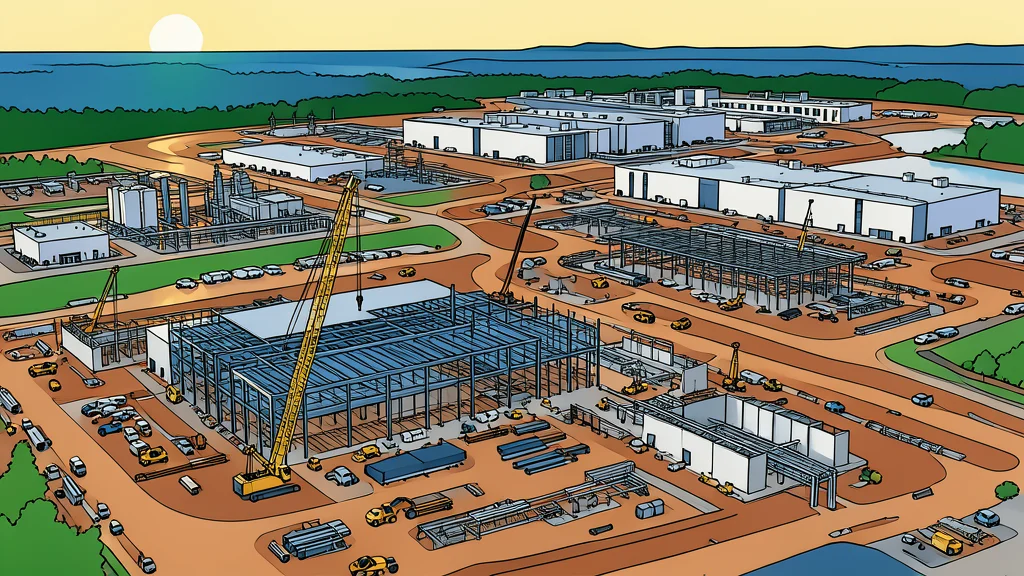
USA Rare Earth has broken ground on a $1.2 billion plant in Blacksburg, South Carolina, aiming to produce 6,400 tons of magnets annually. The project anchors the company's domestic strategy but faces unresolved financing and scaling hurdles.
USA Rare Earth began construction on a major rare earth magnet facility in Blacksburg, South Carolina, on September 9, 2026. The company estimates the total investment at $1.2 billion for an approximately 800,000-square-foot site that will employ roughly 490 workers. This expansion is intended to produce 6,400 tons of sintered neodymium-iron-boron magnets and 5,000 tons of strip-cast metal annually, with commissioning scheduled to start in 2028.
While the groundbreaking marks a significant physical milestone, it does not guarantee immediate commercial success. The path to self-sufficiency involves complex dependencies on financing conditions, raw material sourcing, and customer qualification. The new facility is designed to be the centerpiece of the company’s domestic production, yet the gap between breaking ground and full-scale operation remains substantial.
Blacksburg Capacity Defines Domestic Strategy
The planned 6,400-ton output from Blacksburg represents 64% of the 10,000-ton annual capacity USA Rare Earth targets for the United States by 2029. This new site will dwarf the company’s existing Stillwater facility, where the first production line began in March 2026. Stillwater aims to reach 1,200 tons annually by the first quarter of 2027, meaning the South Carolina plant will have more than five times that output.
These figures are equipment capacity targets rather than confirmed sales volumes. The 2028 date refers to the start of commissioning, not full commercial production. Scaling up magnet manufacturing requires mastering powderization, sintering, and precision machining to meet strict customer specifications for dimensions and heat resistance. The experience gained at Stillwater provides a foundation, but the yield and quality at the much larger scale of Blacksburg remain unverified.
Financial Terms Differ From Public Estimates
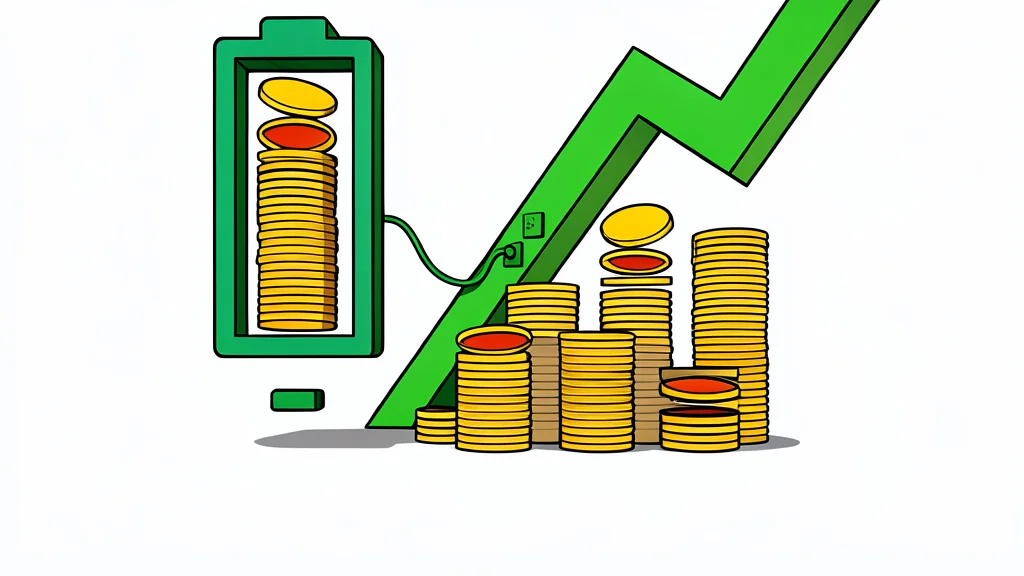
The $1.2 billion figure cited in the groundbreaking announcement differs from the financial terms in the local incentive agreement. The contract with Cherokee County assumes an $800 million investment, while the minimum required to maintain tax incentives is $400 million over eight years. This $400 million threshold is a contractual maintenance requirement, not the total cost to complete the plant.
The company is not purchasing the land outright. Instead, USA Rare Earth will lease the 800,000-square-foot facility on 129.9 acres for 20 years, with two 10-year renewal options. Under this net lease structure, the landlord builds the base structure, while the company covers rent and operating costs. The discrepancy between the $1.2 billion estimate and the $800 million contractual assumption highlights the complexity of the project’s funding and cost structure.
Industrial Scale Requires Operational Precision
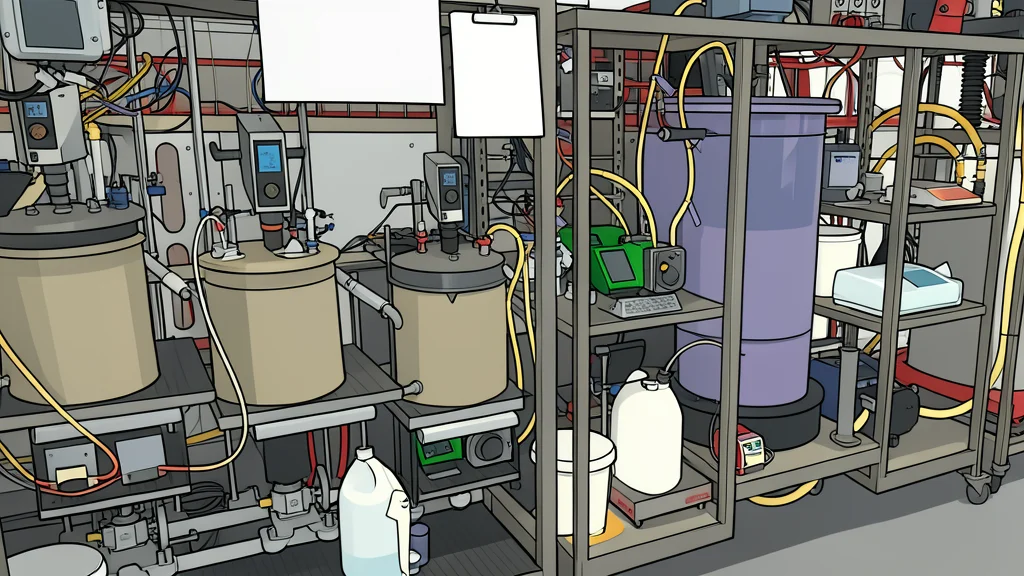
Mass production of sintered magnets is a multi-stage process that extends far beyond equipment installation. The material must be refined, shaped, sintered, heat-treated, machined, and magnetized to precise standards. The facility’s design reflects these industrial requirements, focusing on throughput and quality control. As noted in materials from GN auto stocks and rare earths, the transition from pilot lines to high-volume production is a critical operational challenge that defines the company's future reliability.
The success of the Blacksburg plant depends on executing this complex manufacturing sequence efficiently. The company must demonstrate that it can maintain high yield rates while scaling up production by a factor of five compared to its current operations. Until commercial production begins, the financial and operational risks associated with this expansion remain the primary factors influencing the company's trajectory.