Vedanta Aluminium Targets INR 5-6 Trillion Grid Investment
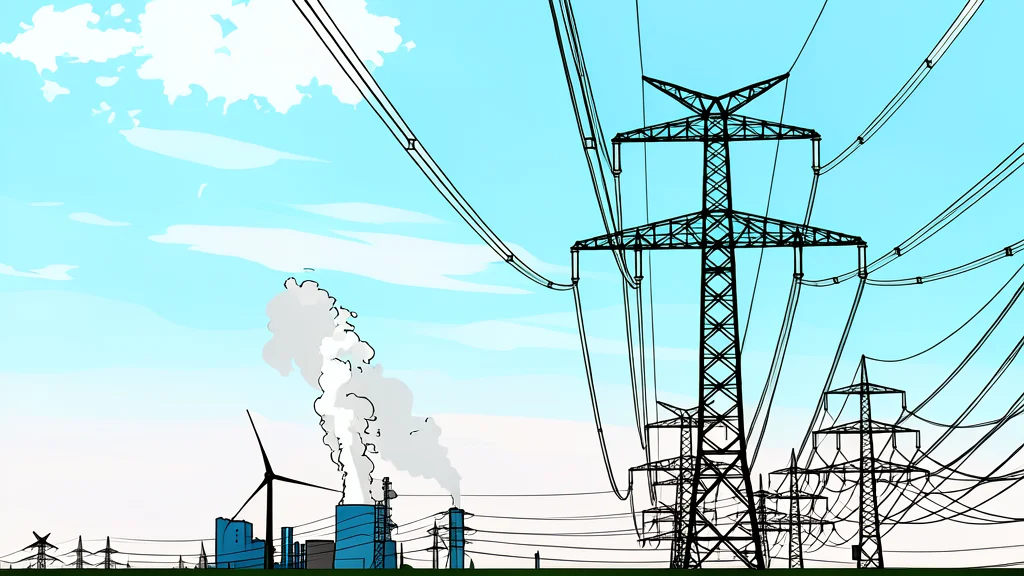
Vedanta Aluminium aligns its 2.4 million tonne capacity with India's plan to expand transmission lines to 627,000 circuit kilometers by 2030.
Key points
- India plans INR 5-6 trillion in transmission investment between FY2027 and FY2032, targeting 627,000 circuit kilometers by 2030.
- Vedanta Aluminium supplies 6201, AL59, and 1350/1370 grades to meet specific strength and conductivity requirements for grid expansion.
- Electrical-sector aluminium consumption in India is projected to increase from 2.4 million tonnes in FY2024 to 12.9 million tonnes by FY2047.
Vedanta Aluminium is positioning its specialized alloy portfolio to capture demand from India’s expanding power transmission infrastructure. The company, which operates with an installed production capacity of approximately 2.4 million tonnes, is focusing on application-specific grades that balance strength, conductivity, and corrosion resistance for varying grid conditions.
According to a June 2026 assessment by ICRA cited in material from AL Circle, India is projected to invest INR 5–6 trillion (USD 52–63 billion) in transmission infrastructure between FY2027 and FY2032. This investment is part of the National Electricity Plan, which anticipates total transmission expenditure exceeding INR 9.15 trillion (USD 96.53 billion) through 2032.
Grid expansion drives alloy demand
The planned expansion aims to increase transmission line length to around 627,000 circuit kilometers and substation capacity to approximately 2,171 GVA by March 2030. This buildout is necessary to integrate nearly 900 GW of non-fossil capacity targeted by FY2036, requiring high-voltage corridors to connect renewable-rich regions with demand centers.
ICRA estimates that 54.8 GW of commissioned renewable capacity faced temporary grid access issues as of May 2026 due to transmission constraints. Vedanta addresses this by supplying 6201 alloy for high-strength, low-sag applications in difficult terrain, and AL59 for corrosion resistance in coastal environments.
For standard conductors and transformer windings, the company provides 1350 and 1370 grades known for high conductivity. As one of the world’s largest producers of aluminium wire rod, Vedanta supplies the core material used across conductors, transformers, and substations, leveraging aluminum’s lower weight and suitability for long-span applications compared to copper.
Substation growth boosts consumption
India’s substation network is expected to add around 100 GVA of capacity annually through March 2030, an increase from the approximately 90 GVA added in recent years. This expansion creates additional demand for high-conductivity aluminium rod used in transformers and busbars, further integrating Vedanta’s products into the electrical ecosystem.
Long-term sector consumption projected
The Ministry of Mines’ aluminium vision document indicates that electrical-sector aluminium consumption is projected to rise from around 2.4 million tonnes in FY2024 to 4 million tonnes by FY2030. By FY2047, this figure is expected to reach 12.9 million tonnes, reflecting the expanding role of aluminium in India’s power infrastructure alongside construction and automotive applications.