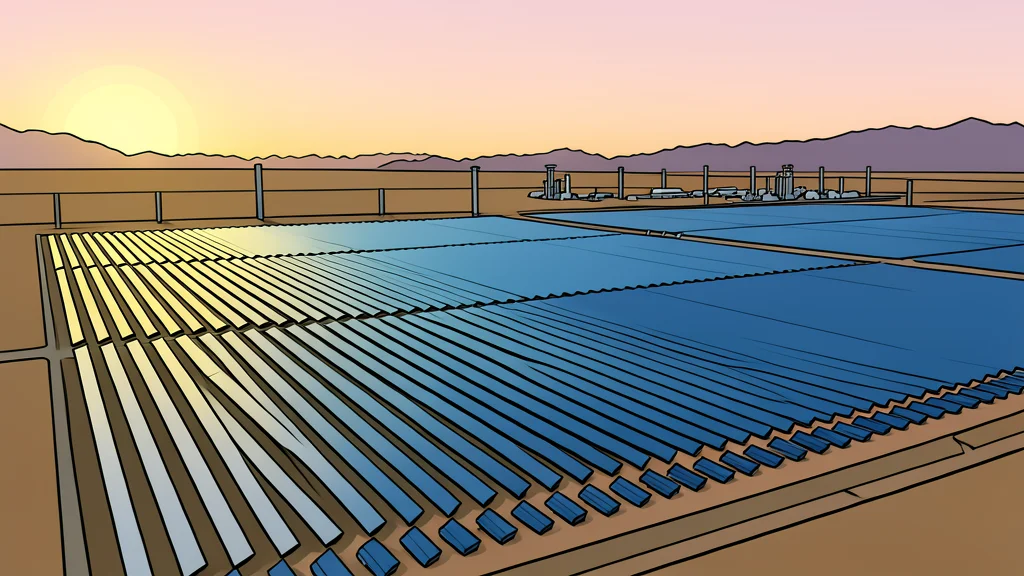
First Solar Reaffirms 2026 Targets Amid Manufacturing Expansion
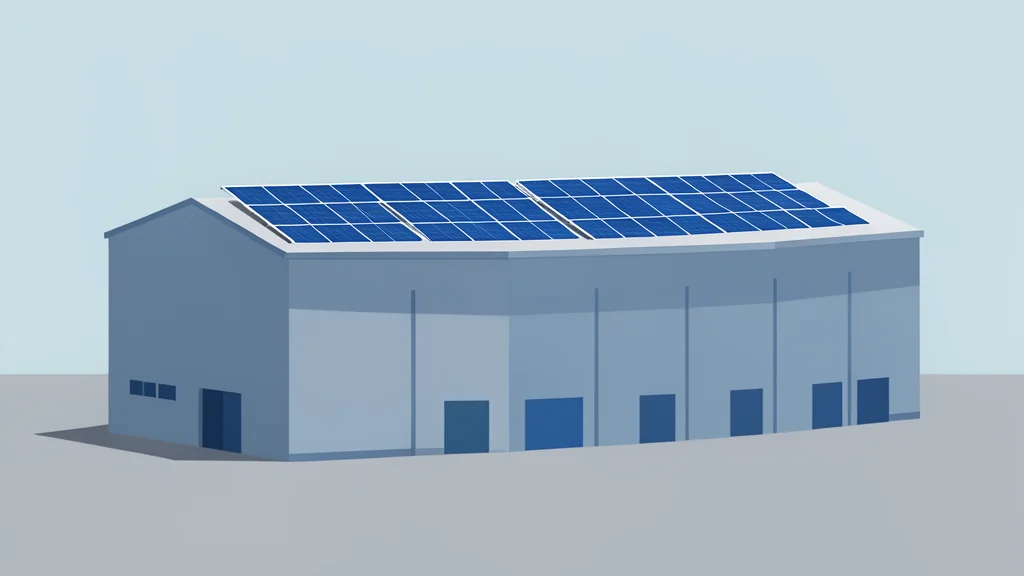
First Solar has held its 2026 financial outlook steady while continuing to invest in U.S. production capacity, anchoring its strategy in a substantial contracted backlog.
First Solar has reaffirmed its full-year 2026 guidance, signaling that management remains committed to its medium-term financial targets despite recent softness in revenue expectations. The company continues to prioritize the expansion of domestic manufacturing capacity, leveraging U.S. policy incentives to scale production in key markets.
This strategic posture relies heavily on a contracted backlog of 45.1 GW that extends through 2030. The central question for stakeholders is now how efficiently First Solar can convert this long-term pipeline into immediate cash flow, balancing capital expenditure for new facilities against the need to protect margins.
Quarterly Results Reflect Steady Execution
The reaffirmation of 2026 targets indicates that near-term operational performance has remained aligned with internal forecasts. Current earnings stand at approximately US$1.7 billion, providing a baseline from which the company aims to grow. This stability suggests that despite broader market volatility, the core business operations have maintained their trajectory.
According to analysis from GN auto stocks/energy-stocks: solar stocks, the company’s focus is shifting from reported earnings to cash generation efficiency. The ability to manage unit costs while ramping up volume at existing and new plants is the critical metric for validating the current guidance.
Forward Guidance Anchored On Contracted Volume
Looking beyond the immediate quarter, First Solar projects US$6.8 billion in revenue and US$3.0 billion in earnings by 2029. This implies an annual revenue growth rate of 8.2% and an earnings increase of roughly US$1.3 billion from current levels. These figures are underpinned by the 45.1 GW of secured sales, which reduces demand uncertainty for the medium term.
Management is planning production and spending around these consistent targets, even as the stock has lagged the broader Nasdaq index. The commitment to these numbers suggests that the company does not anticipate a material shift in the fundamental demand landscape for utility-scale solar modules in the near future.
Capacity Expansion Drives Cost Dynamics
The expansion of manufacturing facilities in states like Alabama and Louisiana is a key component of the forward-looking strategy. Successfully executing on these projects is essential to supporting the required volume for the contracted backlog while keeping unit costs under control. Delays in construction or adverse changes in tariff structures could impact the timeline for these capacity additions.
While optimistic analysts have projected higher figures, with some estimating US$7.8 billion in revenue by 2029, the consensus view remains tied to the reaffirmed guidance. The primary risk remains the potential for slippage in project timelines or pricing pushback from customers, which could slow the conversion of the backlog into cash.