Global Solar Capacity Reaches 1.2 Terawatts Amid Industrial Adoption
Solar generation capacity has surged to 1.2 terawatts, driven by cheap Chinese components and industrial adoption like Bestway Cement's expansion.
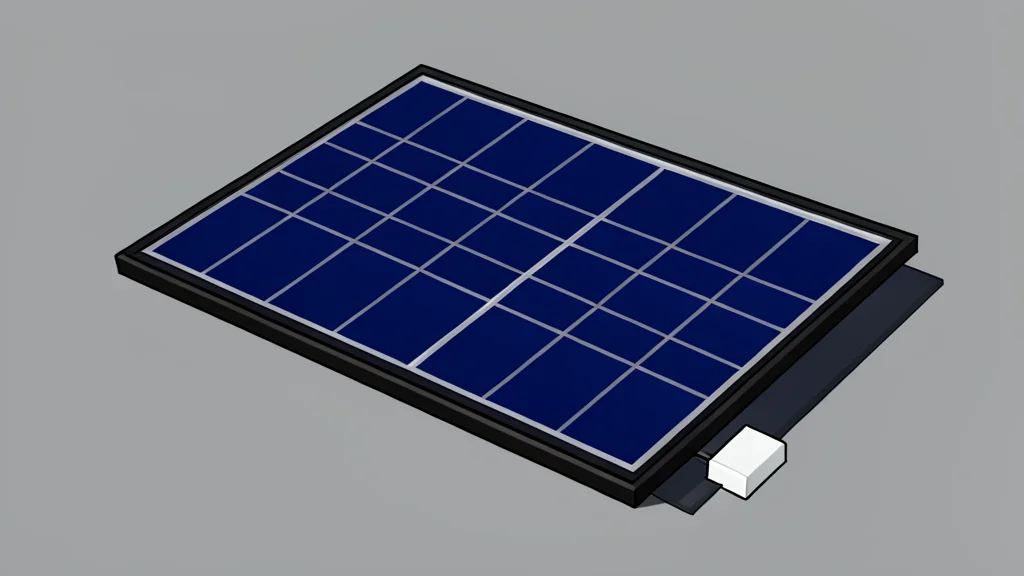
Global solar photovoltaic capacity reached approximately 1.2 terawatts by the end of 2025, a figure that equals roughly three times the size of the world's nuclear power fleet. This expansion is largely attributed to the widespread availability of low-cost components from China, which has accelerated deployment across both developing and industrialized economies. The Energy Institute’s Statistical Review of World Energy confirms this milestone, highlighting a structural shift in how electricity is generated and consumed worldwide.
Businesses are increasingly integrating solar power into their operations to reduce costs and ensure energy security. In Chakwal, Pakistan, Bestway Cement is converting agricultural land into solar farm infrastructure, a move that has already resulted in solar energy providing over 25% of the electricity for its cement production. The company plans to add 6.34 megawatts of new capacity by year-end, bringing its total installed base to 26 megawatts. This expansion is a direct response to competitive pressures, with Bestway noting that rivals have already adopted similar renewable energy strategies to maintain cost efficiency in a high-energy sector.
Industrial Adoption Drives Capacity Growth
The integration of solar power into heavy industry demonstrates a broader trend of decentralized generation. Companies like Bestway Cement are moving away from reliance on centralized grid infrastructure, instead building self-sufficient energy capabilities. This shift allows manufacturers to stabilize operational costs against fluctuating energy prices, a critical factor in regions where grid reliability is inconsistent. The general manager at the Chakwal facility emphasized that adopting solar is no longer an optional sustainability measure but a necessary step for market competitiveness.
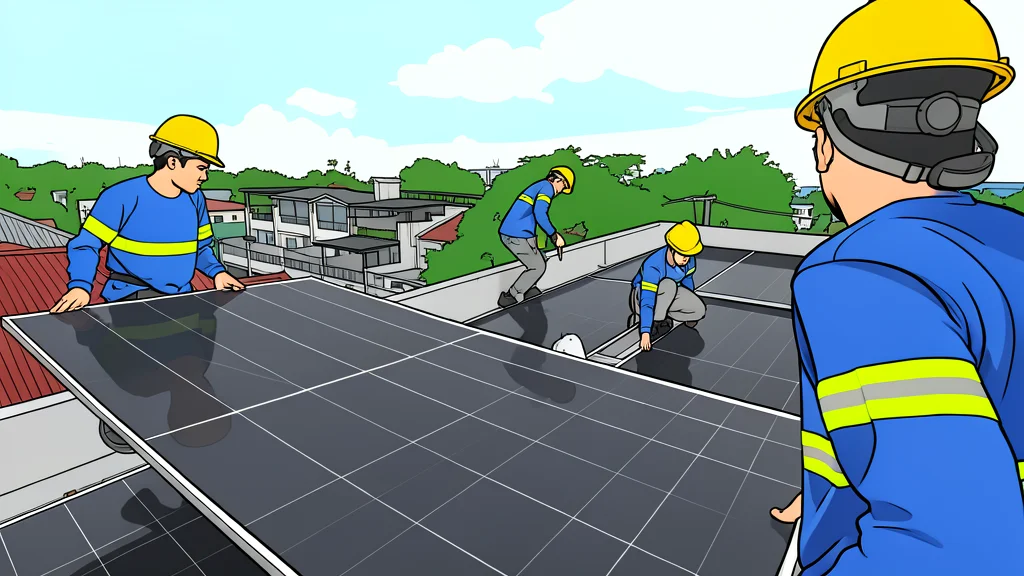
This corporate adoption mirrors a global pattern where millions of businesses and households are installing rooftop and ground-mounted systems. The driving force behind this trend is the dramatic reduction in the cost of photovoltaic cells, which has made solar one of the most economically viable sources of new electricity. For industrial operators, the ability to generate their own power reduces exposure to supply chain disruptions and price volatility, providing a long-term hedge against economic instability.
Infrastructure Challenges From Distributed Generation
While the rapid expansion of solar capacity offers economic benefits, it introduces significant technical challenges for existing power grids. The global electrical infrastructure was designed for centralized, one-way power flow, not for the massive influx of distributed, intermittent generation. As solar output varies with sunlight availability, it produces only a fraction of its theoretical peak capacity, creating volatility that grid operators must manage. This shift complicates load balancing and requires substantial upgrades to transmission networks to handle bidirectional power flows.
The unregulated nature of small-scale solar generation also poses risks to pricing models and supply security. As more entities generate their own power, the traditional revenue models for utilities are strained, potentially affecting investment in grid maintenance and expansion. Furthermore, the reliance on imported components, particularly from China, introduces geopolitical and supply chain vulnerabilities that could impact the long-term sustainability of this energy transition. Balancing the economic benefits of cheap solar with the structural integrity of the power system remains a critical challenge for policymakers and industry leaders.
Economic Impacts And Consumer Savings
The proliferation of solar technology has tangible economic effects for end-users, particularly in regions facing high cost-of-living pressures. Consumers and businesses are reporting lower electricity bills as they shift to cleaner, self-generated energy. This trend is especially pronounced in developing countries, where access to reliable electricity has historically been limited. By installing their own solar systems, individuals and small businesses can secure a stable power supply without waiting for large-scale infrastructure projects, thereby enhancing local economic activity and resilience.
The economic drivers of this shift are further influenced by global geopolitical tensions, such as the conflicts in Iran and Ukraine, which have heightened concerns about energy security. In this context, solar power offers a degree of independence from volatile fossil fuel markets. The combination of falling hardware costs and the strategic need for energy autonomy is creating a sustained demand for photovoltaic installations, ensuring that solar remains a central component of the global energy mix in the coming decade.