Grid Spending Supports Siemens, Hitachi, and Vestas
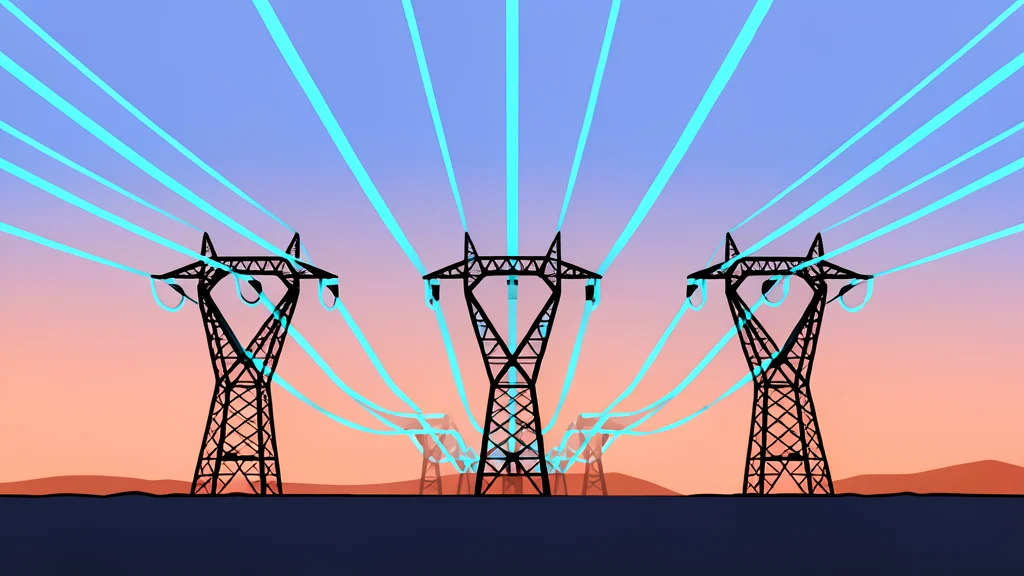
Strait of Hormuz tensions highlight the need for stable power, driving interest in grid infrastructure and renewable generation stocks.
Geopolitical friction in the Strait of Hormuz has transformed energy security from a long-term policy goal into an immediate operational imperative. As fossil fuel supply routes face potential disruption, the global power system is undergoing a stress test that prioritizes reliability and diversification. Investors are increasingly focusing on companies that build the physical backbone of the modern grid, specifically those capable of integrating variable renewable sources with stable transmission networks. This shift moves the narrative away from volatile commodity pricing toward the structural demand for heavy industrial equipment and grid stabilization technology.
Three listed companies stand out as direct beneficiaries of this infrastructure acceleration: Siemens Energy, Hitachi Energy India, and Vestas Wind Systems. Each represents a distinct segment of the energy value chain, from gas services and grid technologies to pure-play wind turbine manufacturing. The common thread is the transition from energy generation to energy delivery, where the ability to maintain grid stability during supply shocks becomes a primary driver of revenue and margin resilience.
Siemens Energy Diversifies Revenue Streams
Siemens Energy positions itself as a core provider of the heavy equipment required to link renewable sources, gas power, and transmission infrastructure. With a market capitalization of approximately €121.6 billion, the company generates substantial revenue across multiple segments. Gas Services contributes €13.4 billion, while Grid Technologies adds €12.9 billion. The wind turbine division, Siemens Gamesa, brings in €10.4 billion, and the Transformation of Industry segment adds €5.9 billion. This diversified portfolio allows the company to capture demand across the entire energy transition spectrum rather than relying on a single technology.
However, the valuation reflects specific expectations regarding the wind business. Investors anticipate a rapid and sustained turnaround for Siemens Gamesa, with breakeven assumed as early as fiscal 2026. This outlook hinges on the resolution of ongoing restructuring efforts and the mitigation of product issues associated with the 4.X and 5.X turbine series. If offshore market growth slows or execution risks persist, the company may face continued earnings volatility and delays in restoring net margins. The current pricing implies that the wind division’s recovery is a critical component of the broader investment thesis.
Hitachi India Captures Grid Modernization
Hitachi Energy India focuses on electricity transmission equipment and services designed to reinforce grids and connect renewable energy sources. The company earns approximately ₹91.6 billion from its Power Grids segment and holds a market value near ₹1.39 trillion. Its product mix, which includes transformers, substations, and grid software, is directly aligned with the need to keep renewable-heavy power systems stable. As India pursues net-zero targets and electrifies large industries and transport, the structural demand for advanced grid automation and smart substations creates a long-term revenue compounding opportunity.
The company’s position is strengthened by policy support for digital infrastructure and the accelerated modernization of the national grid. This environment favors firms that can provide both the hardware and the digital intelligence required for grid resilience. However, the conversion of backlog into profitable execution remains a key variable. If project timelines slip or pricing power weakens, the anticipated revenue compounding could be challenged. The current valuation assumes that the structural demand supercycle will translate into consistent order book growth and margin expansion.
Vestas Rebounds on Policy Clarity
Vestas Wind Systems operates as a pure-play manufacturer of wind turbines, directly exposing investors to the shift away from fossil fuel supply shocks. The company designs, installs, and services turbines worldwide, with its Power Solutions segment generating about €16.7 billion. The Service division contributes roughly €3.6 billion, providing a recurring revenue stream that supports the overall business model. With a market value close to DKK 206.6 billion, Vestas is a central player in the renewable generation infrastructure space.
Recent developments indicate a significant rebound in order intake, particularly in the onshore segment, driven by the resolution of U.S. policy uncertainty and renewed government support for wind energy. This policy clarity has removed a major headwind for new project approvals and financing. For Vestas, this translates into a stronger order book and improved visibility for future production schedules. The company’s ability to capitalize on this rebound will depend on its capacity to maintain manufacturing efficiency and service quality as demand recovers across key markets.
These three companies illustrate the breadth of the renewable energy and grid infrastructure investment theme. From Siemens Energy’s diversified industrial base to Hitachi Energy India’s focus on grid stability and Vestas’ pure-play wind exposure, each offers a different angle on the same structural shift. The common factor is the increasing importance of reliable power delivery in a world where fossil fuel routes are no longer guaranteed. As grid infrastructure spending continues to rise, these firms are positioned to benefit from the long-term capital allocation required to build a more resilient energy system.