Alphabet Begins TPU Sales, Driving Broadcom Chip Revenue Surge
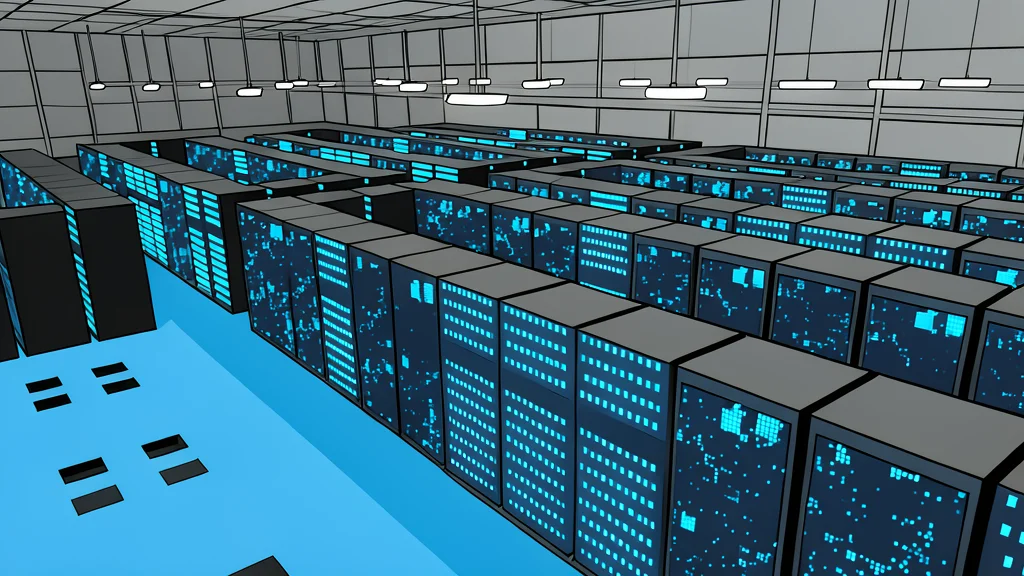
Alphabet has started selling Tensor Processing Units to external data centers, triggering a significant revenue acceleration for supplier Broadcom.
Alphabet has transitioned its Tensor Processing Unit strategy from exclusive cloud rental to direct hardware sales, marking a structural shift in how the company monetizes custom silicon. During the second quarter, the tech giant delivered TPU systems to customer data centers for the first time, initiating revenue recognition for these physical transactions. While the initial dollar volume is modest and the bulk of the contracted value is scheduled to arrive in 2027, the move validates a new product line for a $4 trillion enterprise.
This development directly benefits Broadcom, which designs and supplies the underlying chips, and reinforces Alphabet’s own cloud infrastructure dominance. By selling the systems, Alphabet retains the customer relationship while Broadcom secures long-term supply agreements independent of the end-user’s location. The financial impact is already visible in accelerating revenue growth for the chipmaker and expanding operating margins for the cloud provider, creating a dual-layer value capture from the same hardware deployment.
Broadcom Revenue Accelerates on TPU Supply
Broadcom’s financial results reflect the expanding scale of AI chip demand, with AI semiconductor revenue jumping 221% year over year to $16.7 billion in the fiscal third quarter. This represents a 54% sequential increase from the previous quarter, where revenue stood at $10.8 billion. The company guided for approximately $21.7 billion in AI semiconductor revenue for the upcoming fiscal fourth quarter, projecting a 236% year-over-year growth rate. This trajectory indicates that the supply side is scaling rapidly to meet the infrastructure requirements of major AI workloads.
CEO Hock Tan highlighted specific expansion plans, noting that Anthropic is expected to deploy an additional 5 gigawatts of next-generation TPU capacity in 2027, following a 1 gigawatt deployment in the current year. Broadcom’s total revenue rose 86% year over year to $29.6 billion, while free cash flow nearly doubled to $13.7 billion, equating to 46% of total revenue. Despite a customer concentration risk where the top five clients account for 55% of revenue, the stock trades at approximately 18 times forward earnings, reflecting a valuation discount relative to its growth rate.
Alphabet Cloud Margins Expand with Backlog Growth
Alphabet’s Google Cloud division reported an 82% year-over-year revenue increase to $24.8 billion in the second quarter, driven by higher utilization and new TPU sales. The segment’s operating income surged to $8.8 billion from $2.8 billion in the same period last year, lifting the operating margin from approximately 21% to 36%. CFO Anat Ashkenazi confirmed that the company began recognizing revenue from TPU system sales delivered to customer facilities, adding a new revenue stream alongside traditional cloud rentals.
The company’s backlog, which includes these new TPU agreements, increased by more than $50 billion sequentially to reach $514 billion. However, the shift toward hardware sales introduces higher inventory costs and affects the cost of revenues. Management has raised its 2026 capital expenditure guidance to a range of $195 billion to $205 billion to support this infrastructure buildout. According to coverage from GN auto stocks/technology: chip stocks, this heavy spending is necessary to sustain the growth trajectory of its AI infrastructure.
Strategic Implications for AI Infrastructure
The separation of TPU sales from cloud services creates a distinct commercial channel for both companies. Broadcom gains a durable supply contract that is insulated from Alphabet’s internal cloud pricing dynamics, while Alphabet gains the ability to compete directly with hardware vendors for enterprise AI budgets. This model allows Alphabet to capture value from both the hardware sale and the ongoing cloud services, a dual-revenue structure that pure-play chipmakers do not possess.
The financial data suggests that the market is beginning to price in the scalability of this new segment. Broadcom’s accelerating quarterly revenue growth and Alphabet’s improving cloud margins indicate that the initial skepticism regarding the viability of selling custom silicon is being replaced by tangible financial performance. The upcoming quarters will likely provide further clarity on the volume of TPU deliveries and the associated margin impacts on Alphabet’s overall earnings profile.