Arm’s Shift to Silicon Manufacturing Cuts Margins from 92% to High 30s
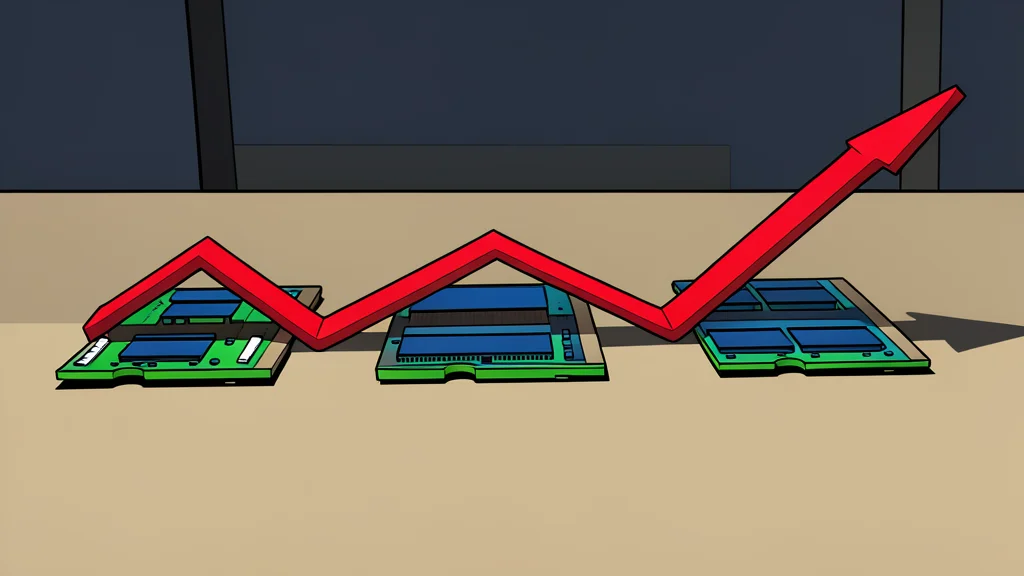
Arm's move to in-house manufacturing lowers gross margins significantly, driven by new CPU demand and supply confidence.
Key points
- Arm's in-house silicon manufacturing carries first-generation gross margins of 30-40%, down from the 92.5% corporate average on royalties.
- Stock recovered to $275.61 after CEO Rene Haas confirmed that supply chain constraints for wafers and memory have been resolved.
- NVIDIA's Vera CPU adoption drives royalty income, while a 2026 Qualcomm trial poses a risk to industry-wide licensing rates.
Arm Holdings is transitioning from a pure royalty model to direct silicon manufacturing, a strategic shift that materially alters its profit structure. While the company maintains a corporate gross margin of 92.5% on licensing fees, the new in-house chip business carries first-generation margins in the high 30% to low 40% range. This dilution of earnings power is the primary driver behind the stock’s recent volatility, as investors reassess the value of the company’s expanded scope.
The market’s reaction to Arm’s financials has been inconsistent, with shares dropping 46% from their June peak before recovering to $275.61 on September 18. According to data reported by Yahoo Finance, this recent rally was not triggered by new revenue targets, but by CEO Rene Haas’s confirmation that supply chain constraints for wafers and memory have been resolved. This shift in operational confidence outweighed the earlier disappointment that demand figures had not resulted in immediate guide increases.
Supply confidence drives recent stock recovery
Between May and September, Arm’s disclosed customer demand for its AGI CPU surpassed the initial $1 billion revenue guide for fiscal 2027 and 2028, yet the stock fell because the financial outlook remained static. By July, Haas indicated that demand had reached $2 billion, but the share price did not respond until supply reliability improved. The critical change was the ability to secure necessary production capacity, which removed a key execution risk from the business model.
This operational clarity has stabilized investor sentiment, allowing the market to price in the full lifecycle of the new CPU rather than just the initial licensing phase. The resolution of supply bottlenecks in substrates and testing capacity is now viewed as a prerequisite for realizing the projected long-term margin path of 50% for the in-house silicon division.
NVIDIA integration boosts royalty streams
The manufacturing shift is supported by strong adoption from major partners, particularly NVIDIA. Haas stated that NVIDIA’s Arm-based Vera CPU offers up to 50% higher performance and double the energy efficiency of comparable x86 systems. This technological advantage is expected to drive sustained volume, feeding directly into Arm’s high-margin royalty income and offsetting some of the lower returns from the manufacturing segment.
Qualcomm trial poses licensing risks
Despite the operational improvements, Arm faces a significant legal threat that could reprice its core business. A trial involving Qualcomm’s Nuvia license is scheduled for the fourth quarter of 2026, with the outcome potentially affecting royalty rates across the entire industry. This legal uncertainty remains a headwind for the stock, as any reduction in licensing fees would exacerbate the margin dilution caused by the move into physical chip production.