ASML's EUV Monopoly Secures Revenue Amid TSMC's Node Race
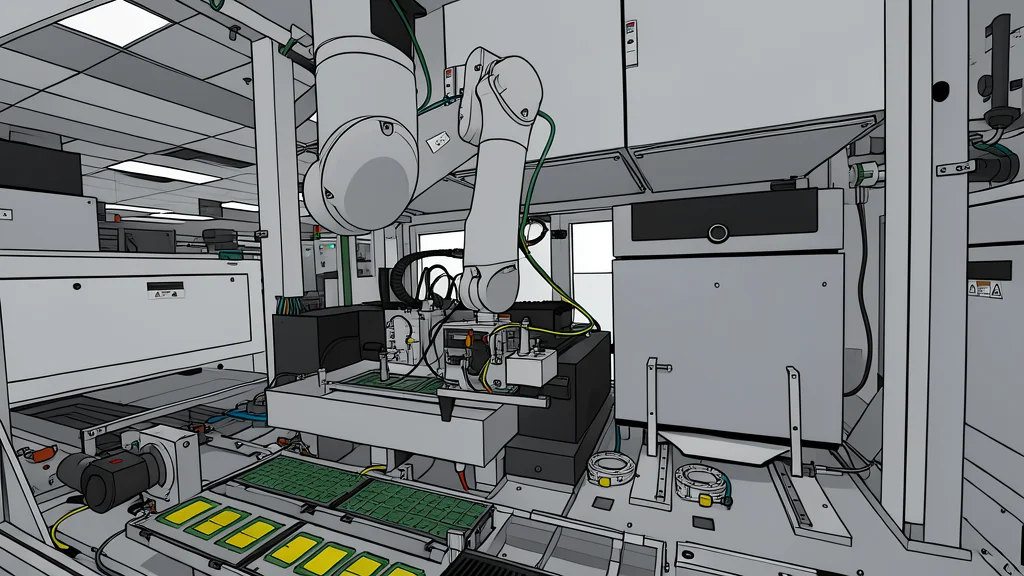
ASML and TSMC both delivered strong Q2 2026 results, but ASML's position as the sole supplier of EUV lithography offers a structural advantage over the foundry's execution risks.
ASML and TSMC reported second-quarter 2026 results in mid-July, both benefiting from sustained demand for artificial intelligence hardware. While the two companies serve the same customer base, their financial profiles diverge sharply based on their positions in the supply chain. ASML, the supplier of lithography equipment, generated $10.65 billion in revenue, a 21.3% increase year-over-year. TSMC, the leading foundry, posted $40.20 billion in revenue, up 36.0% year-over-year. The distinction lies in dependency: TSMC relies on maintaining a technological lead to capture market share, whereas ASML sells the essential tools required for that production regardless of which foundry wins.
ASML’s performance was driven by high demand for upgrades to existing infrastructure, with Installed Base Management revenue exceeding guidance by nearly €300 million. The company’s operating margin expanded to 37.1%, supported by memory-related system sales that are projected to grow over 75% this year. This surge is attributed to the production of High Bandwidth Memory and DDR chips, a trend CEO Christophe Fouquet described as a favorable market condition for DRAM manufacturing. TSMC, meanwhile, achieved a gross margin of 67.7%, with high-performance computing accounting for 66% of its total revenue. Advanced nodes at 7nm and below contributed 77% of wafer revenue, highlighting the foundry's focus on high-value, complex chip production.
Capital Expenditure Drives Tool Demand
TSMC’s management raised its 2026 capital budget to between $60 billion and $64 billion, signaling a significant commitment to capacity expansion. The company also announced an additional $100 billion investment in its Arizona facilities. These expenditures are directly tied to the procurement of lithography equipment, creating a direct revenue stream for ASML. As TSMC scales up production to meet AI demand, it must purchase more EUV and DUV machines to maintain output. This dynamic ensures that ASML captures a portion of the foundry’s capital spending, effectively converting TSMC’s investment plans into ASML’s order book.
The relationship between the two companies illustrates the difference between a manufacturing leader and a technology enabler. TSMC must constantly innovate to stay ahead of competitors like Samsung and Intel Foundry, requiring flawless execution at each new node. ASML, however, operates as a monopoly in the extreme ultraviolet lithography sector. Whether TSMC, Intel, or Samsung secures the contract for advanced chip production, the winner must purchase lithography tools from ASML. This structural position allows ASML to benefit from the industry's overall growth without bearing the specific risks associated with a single foundry’s competitive standing.
Execution Risks Differ by Business Model
TSMC faces specific margin pressures as it transitions to 2nm production, with management expecting a 3 to 4 percentage point dilution in Q3 gross margin. Overseas fabrication plants are also projected to reduce margins by another 2-3% during their initial ramp-up phases. These factors introduce execution risk for the foundry, as it must balance rising costs with competitive pricing. In contrast, ASML’s margin profile is less sensitive to individual foundry costs. The company’s business model relies on steady shipment cadences and high utilization of its installed base, providing a more predictable revenue stream. As noted in GN stocks/chips analysis, this structural difference makes ASML a distinct exposure to the secular trend of AI infrastructure spending.
Investors are currently monitoring TSMC’s ability to maintain its guided 65-67% gross margin for Q3 while ramping 2nm production. Simultaneously, attention is turning to ASML’s Q3 revenue, which is expected to land at the top of the €11-12 billion range. The company is also studying a 30% capacity expansion for 2028, indicating confidence in long-term demand. While TSMC trades at a forward P/E of 20, reflecting its near-term earnings leverage, ASML commands a premium multiple of 28 due to its monopolistic position. Both companies remain exposed to a potential slowdown in AI capital expenditure, but ASML’s role as the essential toolmaker provides a buffer against competitive shifts in the foundry market.