NIMPA Refunds Coal Bonds Amid Member Energy Shifts
Northern Illinois Municipal Power Agency refinances Prairie State debt as members evaluate exit strategies.
The Northern Illinois Municipal Power Agency issued Series 2026A revenue refunding bonds to replace its 2016 obligations. This transaction refines the financing for the agency's 7.6% equity stake in the Prairie State Energy Campus, a 1,600-megawatt coal-fired facility in Marissa, Illinois. The move marks the agency's first market return in ten years, driven by the need to adjust its capital structure while two of its three member communities reassess their long-term energy procurement strategies.
The refinancing occurs against a backdrop of regulatory pressure and political uncertainty. The passage of the Illinois Climate and Equitable Jobs Act, which mandates a 100% reduction in carbon emissions by 2045, has intensified scrutiny of coal-based generation. While NIMPA's take-or-pay contracts provide immediate financial stability, the long-term viability of its core asset is now a central question for its municipal partners, who are actively exploring alternatives to their current joint action agency structure.
Members Evaluate Energy Alternatives
Batavia, one of NIMPA's three members, has engaged Brattle Group to analyze its energy options. This review is prompted by the need to align with state climate goals while managing rate impacts. Although the city council has not yet finalized a decision, the engagement signals a strategic pivot away from reliance on the coal-powered Prairie State plant. The analysis seeks to balance environmental compliance with the economic constraints of local ratepayers.
Rochelle, a city of 9,400 located 80 miles west of Chicago, is considering a broader departure from its current model. The Rochelle Municipal Utility has developed an energy action plan with the EnergySense Resilience Center at the University of Illinois. This 63-page document recommends joining a larger national joint action agency to enhance buying power. The plan also outlines specific infrastructure changes, including a 5 MW solar and battery storage plant, microgrids for critical facilities, and a sustainable energy test campus.
Shawn Maurer, the primary author of the Rochelle plan, noted that the current structure with only two other communities limits purchasing leverage. He cited Naperville, which recently withdrew from negotiations with the Illinois Municipal Electric Agency, as an example of communities seeking alignment with independent goals. The Rochelle council has delayed a final vote on the plan to allow for further public input, reflecting the complex interplay between cost, reliability, and environmental mandates.
Regulatory Drivers and Financial Realities
The push for change is fundamentally driven by the Climate and Equitable Jobs Act. Maurer stated that Prairie State is a primary source of carbon emissions for the utility, making its replacement essential for compliance. The strategy aims to replace coal energy with renewable sources while maintaining affordable rates. However, community sentiment presents a challenge, with a recent study indicating that 37% of Batavia customers are unwilling to accept higher rates for environmental improvements.
Geneva, the third NIMPA member, presents a contrasting approach. The city approved a contract with Polar Energy Consulting for an integrated resource plan, a requirement under a 2026 state law. Aaron Holton, the electric division superintendent and NIMPA president, described this as a necessary but somewhat excessive exercise given Geneva's current sourcing. In 2025, Geneva sourced 75% of its energy from NIMPA, 16% from NextEra Energy, 6% from landfill gas, and 3% from a local natural gas plant.
The divergence among NIMPA members highlights the fragmented nature of municipal energy strategy in Illinois. While Geneva maintains its current mix, Batavia and Rochelle are actively seeking to decouple from coal-dependent generation. This split complicates NIMPA's future role as a joint purchasing entity. The agency's ability to attract new members or retain existing ones will depend on its capacity to adapt to these shifting local priorities and regulatory landscapes.
Implications for Coal Infrastructure
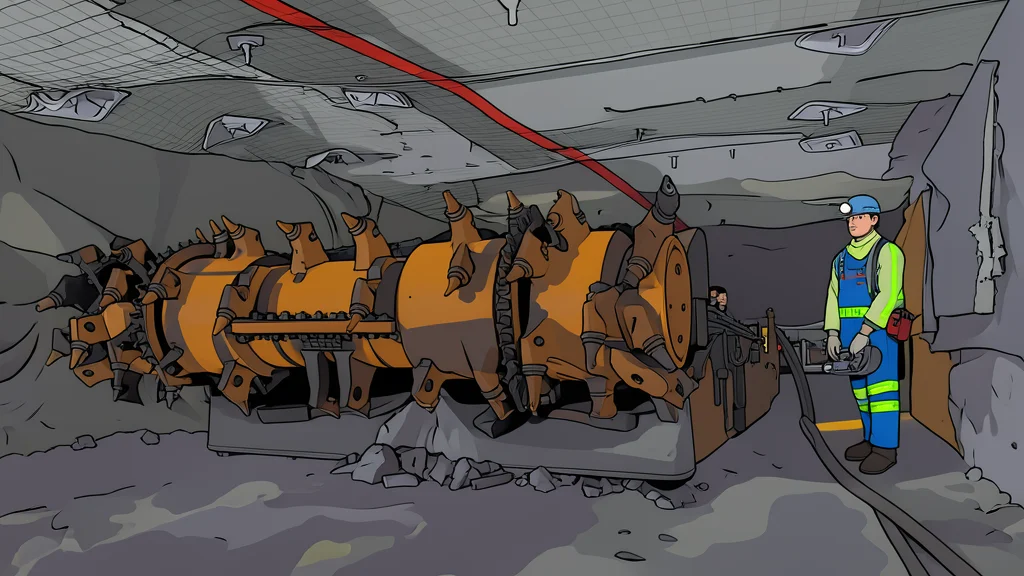
The Prairie State Energy Campus remains the central asset in this transition. The 2026A refunding bonds secure the financial backing for NIMPA's share of the plant's output, which amounts to 120 megawatts. However, the long-term demand for this capacity is uncertain as members explore renewable alternatives and larger joint action agencies. The plant's integrated mine and power structure, while efficient, faces headwinds from state climate policy and local political dynamics.