China A-Share Turnover Tops 2 Trillion Yuan on Semiconductor Strength
Shengu Soars as Broad Market Volume Spikes and Policy Targets 30 Trillion Yuan Sector Revenue by 2030
China’s A-share market recorded a significant liquidity surge on September 18, with total turnover reaching 2.0929 trillion yuan, an increase of 256.4 billion yuan from the previous session. The broad rally was driven by a collective advance in semiconductor and newly listed equities, pushing the Shanghai Composite up 0.94% and the STAR 50 Index higher by 2.88%. Over 4,200 stocks closed in positive territory, marking a clear shift in market sentiment toward technology-heavy sectors.
The standout performer was C Shengu (601091.SH), which debuted on the exchange just prior to this session. The stock spiked nearly 300% intraday, achieving a cumulative two-day gain exceeding fifteen times its opening price. This performance underscored the intense speculative focus on new listings, while peers such as C Sinoway and Tengxin Precision also posted double-digit gains or hit daily limit-up levels. The sector momentum extended to established names like Huatian Technology and Shengjing Micro, which locked in limit-up gains amid the broader tech rally.
Policy Targets 30 Trillion Yuan Revenue by 2030
The rally aligns with recent regulatory guidance from the Ministry of Industry and Information Technology and the National Development and Reform Commission. These bodies released the 15th Five-Year Plan for Electronic Information Manufacturing, setting a target for above-scale enterprises to exceed 30 trillion yuan in revenue by 2030. The plan mandates an R&D intensity of 3.5% and elevates photonics to a foundational industrial capability, specifically citing integrated optical chips and co-packaged optics. This strategic shift moves policy focus from isolated breakthroughs to full-value-chain coordination, providing a clearer long-term logic for domestic substitution in the semiconductor supply chain.
Global Signals Reinforce Domestic Chip Demand
Overseas industry developments provided additional catalysts for the domestic market. Nvidia CEO Jensen Huang indicated that chip sales in 2027 could reach approximately double current annual levels, driven by AI penetration in healthcare and manufacturing. Concurrently, Intel reported improved yield rates on its 18A node, signaling a broader upswing in global semiconductor conditions. These external signals reinforced investor confidence in the cyclical recovery of the hardware sector, directly influencing the price action of domestic semiconductor firms listed on the STAR and ChiNext boards.
Wafer Price Hikes Signal Tight Supply
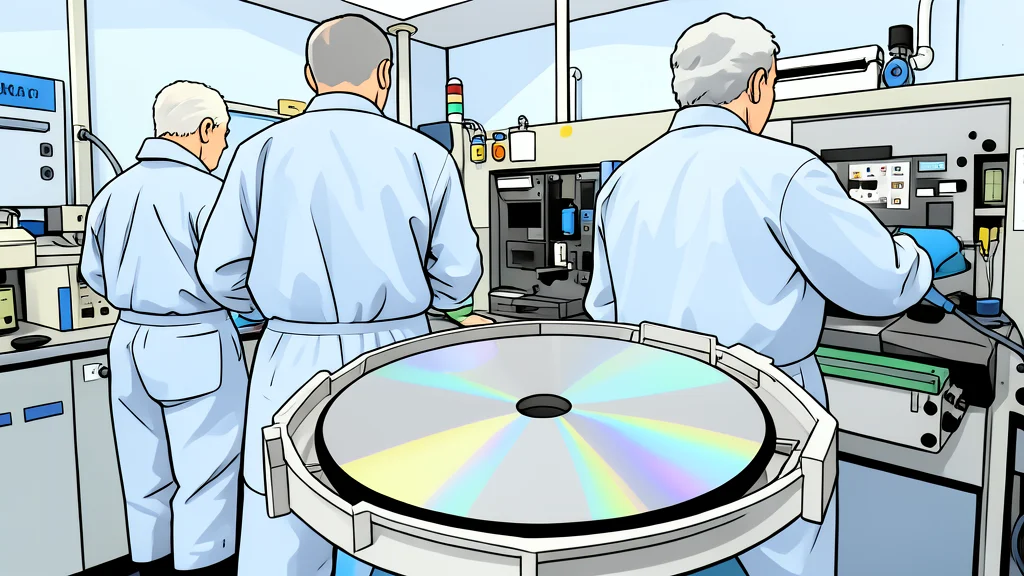
Supply-side constraints are tightening, with twelve-inch silicon wafers experiencing their first across-the-board price increase in three years. Gains are differentiated by application, with AI and high-performance computing specialty wafers seeing the most significant hikes. High Bandwidth Memory (HBM) remains in short supply, with capacity shortfalls projected at 50% to 60% for 2026. According to GN stocks/shares-surge, these volume and price signals confirm a structural shift in demand, supporting the valuation expansion seen in equipment makers like Yamadun and Laplace, which also saw strong price appreciation during the session.