Korean Chip Data Signals US Semiconductor Trends
South Korean market moves offer early clues for US chip stocks, though traders must verify signals with broader data.
Market participants are increasingly monitoring the KOSPI index as a leading indicator for US semiconductor performance. Because South Korea houses major manufacturers like Samsung Electronics and SK Hynix, its market activity reflects global demand for memory chips and AI infrastructure. The Korean exchange opens hours before US markets, providing a preliminary view of sentiment before Wall Street reacts.
According to a recent analysis on Moomoo, significant gaps in Korean semiconductor shares often precede similar moves in US names such as NVIDIA, AMD, and Micron. Traders watch for these early signals to gauge potential weakness or strength in the SOXX ETF. However, the report emphasizes that KOSPI data should serve as an early-warning tool rather than a standalone trading signal.
Korean Supply Chain Drives Global Sentiment
South Korea’s position in the supply chain is critical for understanding global electronics demand. Companies like SK Hynix hold substantial exposure to high-bandwidth memory used in AI servers. When these firms report earnings or face inventory adjustments, the ripple effects quickly reach US competitors. This linkage makes Korean market movements a practical proxy for broader sector health.
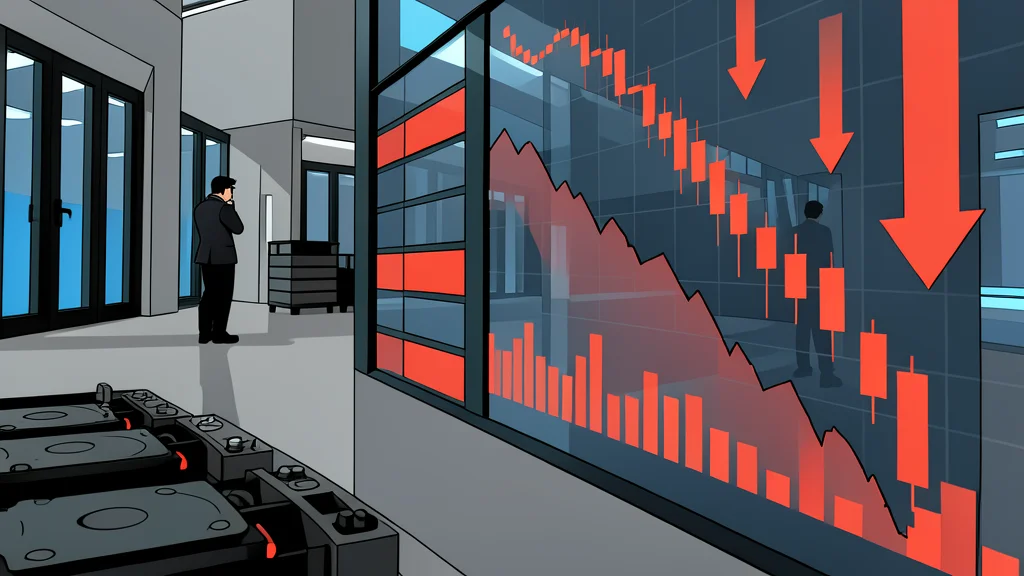
The timing advantage is a key factor for intraday traders. If Korean chip stocks drop sharply on negative news about AI hardware demand, US futures often follow suit. This allows investors to adjust positions before the US market opens, potentially avoiding larger losses from post-open volatility. The correlation is strongest during periods of high uncertainty in the tech sector.
Validating Signals With US Futures
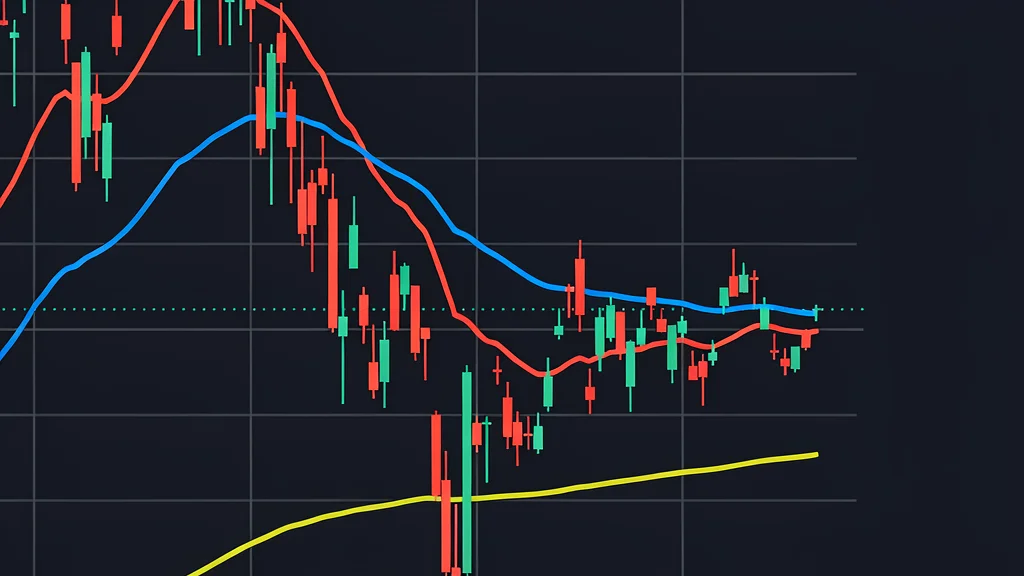
Relying solely on KOSPI data is risky due to potential divergence in regional markets. A robust trading strategy requires confirmation from multiple data points. Traders should look for a chain of confirmation: Korean semiconductor weakness, followed by declining Nasdaq futures, and finally technical breakdowns in US ETFs like SOXX or SMH. This multi-layered approach reduces false positives.
Volume and momentum indicators in US markets provide the final check. If Korean stocks fall but US futures remain flat, the bearish signal is weak. Conversely, if both Asian and US indicators align, the probability of a sustained trend increases. This method prioritizes risk management over aggressive speculation based on single-market data.
Strategic Use Of Early Indicators
The most effective setups occur when Asian sentiment, US futures, and technical levels all point in the same direction. This convergence creates a higher-confidence environment for entering or exiting positions. Investors should treat KOSPI moves as a starting point for analysis, not a definitive conclusion. The goal is to gather comprehensive data before acting.
In conclusion, while the KOSPI index offers valuable early insights, it must be integrated into a broader analytical framework. By combining regional data with US market dynamics, traders can make more informed decisions. This disciplined approach helps navigate the volatility inherent in the semiconductor sector.