Kospi Closes at 7,017.91 Despite Chip Sector Gains
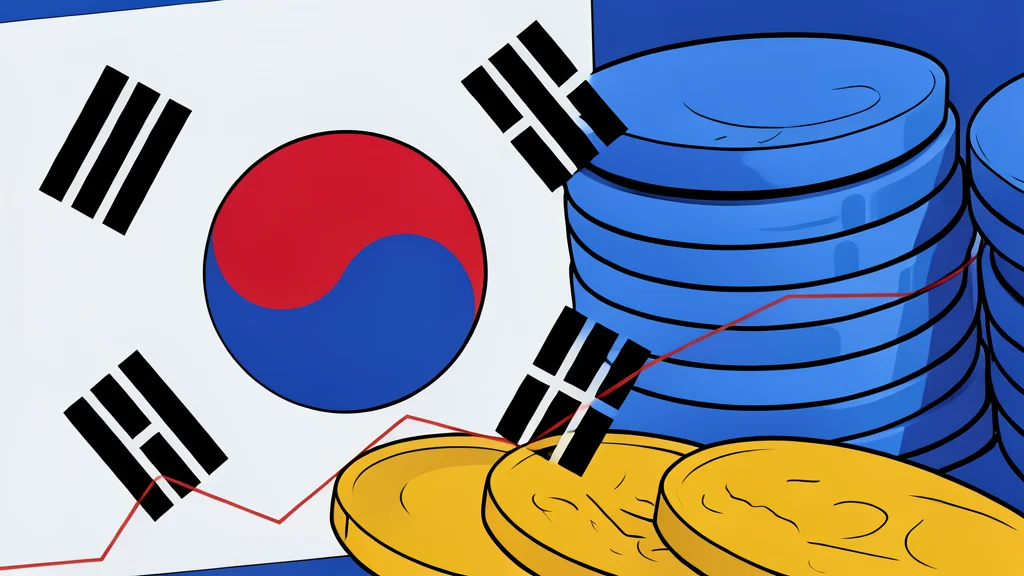
Retail selling of 2 trillion won and rising oil prices erased early Kospi gains, leaving the index nearly flat at 7,017.91.
Key points
- Kospi closed at 7,017.91, up 0.15%, after reversing early gains above 7,100 due to afternoon selling pressure.
- Retail investors sold 2 trillion won, with Samsung Electronics and SK Hynix accounting for 1.23 trillion won of that outflow.
- Foreign investors bought 239.2 billion won for a third straight session, partially offsetting domestic retail disposals.
The Kospi closed at 7,017.91 on September 22, a marginal 0.15% increase that erased earlier intraday highs above 7,100. Despite a strong opening driven by U.S. semiconductor performance, the index failed to sustain momentum as afternoon selling intensified. The market’s inability to hold gains highlights persistent fragility in investor sentiment despite external positive signals.
Retail investors acted as the primary counterweight to bullish trends, posting net sales of approximately 2 trillion won on the main board. This outflow directly impacted key heavyweights, with Samsung Electronics and SK Hynix absorbing significant sell pressure. According to bloomingbit.io, these two firms accounted for a combined 1.23 trillion won in retail disposals, effectively capping the index’s upside potential.
Retail Selling Targets Semiconductor Leaders
Samsung Electronics finished the session up 0.91% at 276,500 won, while SK Hynix reversed its intraday trajectory to close down 1.50% at 1.84 million won. The divergence in their closing prices reflects the heavy retail exit from the sector. Samsung absorbed 794.2 billion won in net retail selling, whereas SK Hynix saw 436 billion won leave the market, indicating a broad-based withdrawal from Korean chipmakers by domestic traders.
Foreign Buying Offsets Domestic Outflows
Foreign investors provided partial support by netting 239.2 billion won in purchases, marking the third consecutive session of accumulation. This sustained buying streak suggests institutional confidence in Korean equities persists despite retail hesitation. The offset between foreign inflows and retail outflows prevented a steeper decline but was insufficient to push the index significantly higher. The net result was a narrow close that barely maintained the 7,000 level.
Oil Price Rebound Limits Equity Gains
Macro headwinds further constrained market performance, specifically through a rebound in international oil prices. West Texas Intermediate futures, which had previously dipped to approximately $91 per barrel, rose by more than 1% during the session. This increase in energy costs typically pressures corporate margins and consumer spending, adding a layer of caution to equity valuations. The Kosdaq index reflected this subdued environment, closing 0.23% lower at 834.38, indicating that weakness was not isolated to the main board heavyweights.