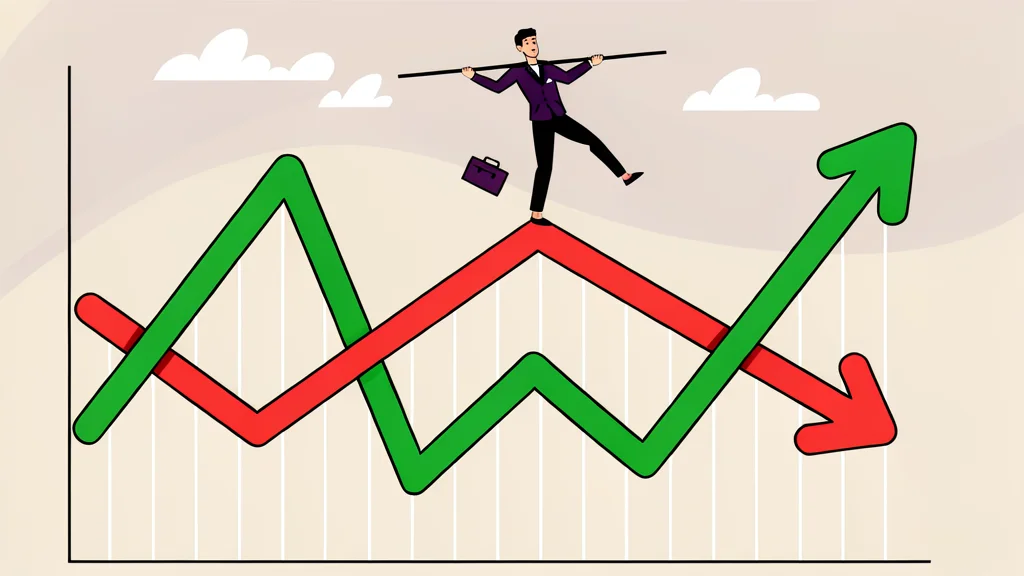
Microsoft and Four Peers Stall in Rising S&P 500 Market

Despite a 15% annual gain for the broader index, Microsoft, American Express, and three other blue-chips have remained flat due to specific operational and structural pressures.
The S&P 500 has risen nearly 15% over the past 12 months, yet a distinct group of blue-chip stocks has failed to participate. Microsoft, American Express, Republic Services, Baxter International, and Cintas have effectively traded sideways, creating an anomaly within a broadly advancing market. This stagnation does not imply that these businesses have ceased operating or growing; rather, each company is currently caught between competing forces that have prevented investors from expanding valuations significantly.
According to reports from GN stocks/sp500, the flat performance reflects a divergence between market momentum and company-specific hurdles. While the broader index benefits from general optimism, these five firms face unique headwinds. The result is a period where capital remains tied up without price appreciation, forcing a closer examination of the fundamental drivers holding each stock back from its peers.
Microsoft Weighs AI Spending Impact
Microsoft stands out as the most notable name in this group, with its stock price constrained by heavy capital expenditure on artificial intelligence infrastructure. The company is investing aggressively to capture future demand, but this spending has weighed on investor sentiment. The core issue is not a lack of growth, but rather the timing and scale of returns relative to the elevated costs.
Investors are currently debating whether Microsoft’s AI initiatives will generate sufficient revenue and margin growth to justify the current level of capital outlays. Until the company demonstrates a clearer path from infrastructure spending to bottom-line profitability, the stock remains under pressure despite its dominant market position. This creates a stalemate where potential upside is offset by uncertainty over near-term earnings dilution.
Operational Pressures Hit Financial and Service Firms
American Express faces a different set of challenges, with rising operating expenses and concerns over consumer spending limiting enthusiasm for the stock. Despite maintaining a premium customer base, the company struggles to offset cost increases with volume growth. Similarly, Republic Services is constrained by higher labor costs and softer service volumes, which have squeezed margins and limited pricing power in a competitive market.
Baxter International continues to contend with a legacy debt burden, which complicates its ability to invest in organic growth. The company’s balance sheet remains a focal point for investors who are questioning its trajectory. Meanwhile, Cintas faces uncertainty surrounding its pending acquisition of UniFirst. Investors are weighing the potential strategic benefits of the deal against the integration risks and transaction costs, leaving the stock in a holding pattern until the merger progresses.
Fundamentals Determine Future Breakout Potential
For these companies, the key question is whether the current flat trading represents a prelude to a breakout or a signal of unresolved structural issues. A sideways stock can become attractive if earnings continue to improve while valuation compresses, allowing the underlying business more room to catch up. However, if the stagnation reflects deep-seated problems, the capital may remain trapped for an extended period.
Microsoft needs to prove that AI spending drives margin expansion. American Express requires durable consumer spending and strict expense control. Republic Services must show improved volume and cost trends, while Baxter needs to demonstrate cleaner balance-sheet progress. Cintas is the most event-driven, with its future tied to the successful execution of the UniFirst transaction. Ultimately, fundamentals rather than broad market momentum will determine which of these firms breaks out of their current trading range.