Nebius and Astera Labs Drive AI Interconnect Growth
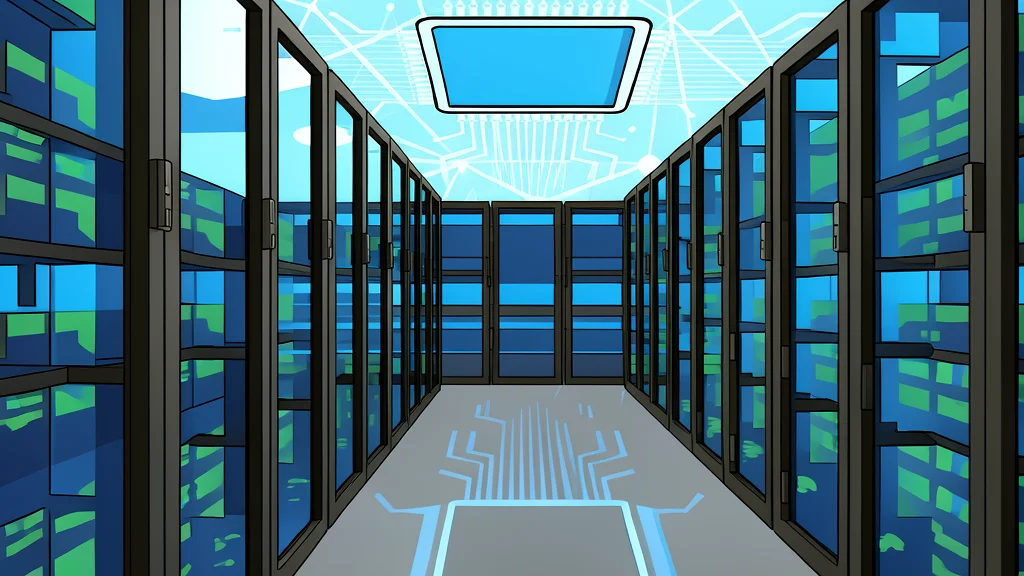
Nebius Group and Astera Labs report strong quarterly results as AI infrastructure demand shifts toward connectivity hardware, with significant revenue growth and expanded backlog.
Nebius Group reported second-quarter revenue of $582.3 million, a 454% increase year-over-year, driven by its AI cloud segment which contributed $574.9 million. The company’s remaining performance obligations reached $37.49 billion, reflecting substantial multi-year contracted backlog. Astera Labs simultaneously posted fiscal Q2 revenue of $392.4 million, up 104.5% year-over-year, signaling rapid adoption of its connectivity silicon in high-performance computing environments.
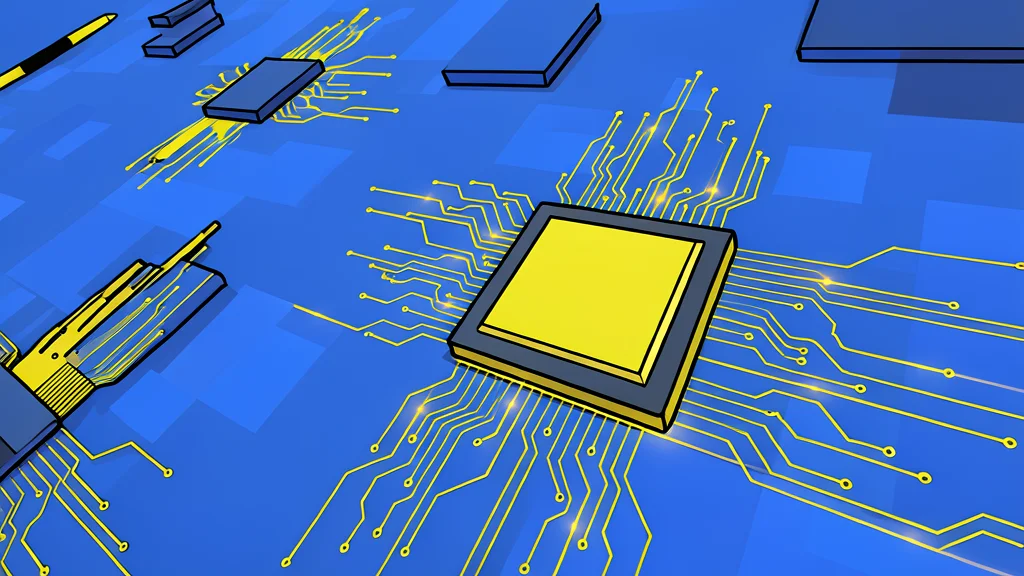
These figures highlight the critical role of the interconnect layer in current AI cluster architectures. As GPU capacity expands, the bottleneck has shifted to data transfer efficiency, making components like retimers, switches, and optical modules essential. Both companies are positioned at this chokepoint, with Astera Labs noting that PCIe 6 products now constitute over 50% of its total revenue, up from one-third in the prior quarter, indicating a swift generational shift in hardware requirements.
Nebius Expands AI Cloud Capacity
Nebius Group operates a specialized cloud infrastructure built exclusively for AI workloads, competing directly with hyperscalers by renting NVIDIA GPU capacity and managed services. The company secured a five-year agreement with Meta worth $27 billion and received a $2 billion strategic equity investment from NVIDIA. Management reaffirmed full-year 2026 guidance of $3 billion to $3.4 billion in revenue, with an adjusted EBITDA margin target of approximately 40%.
To support this demand, Nebius is executing a significant capital expenditure program, with H1 2026 CapEx reaching $8.13 billion. Full-year 2026 CapEx is projected at $20 billion to $25 billion. CEO Arkady Volozh stated on the August 12 earnings call that the company could sell its entire 2027 capacity at current terms but chose not to, indicating strong underlying demand. The company carries $8.5 billion in convertible debt and $12.1 billion in uncommenced lease obligations, reflecting the capital-intensive nature of its expansion.
Astera Dominates Rack Connectivity
Astera Labs designs connectivity silicon that enables high-speed communication between thousands of GPUs, CPUs, and memory devices within AI server racks. Its product portfolio includes Aries retimers for PCIe links, Taurus smart cable modules for Ethernet, Leo for CXL-attached memory, and Scorpio switches for routing data among accelerators. In fiscal Q2, the company beat consensus estimates, reporting non-GAAP diluted EPS of $0.80 against an expected $0.69, marking its eighth consecutive quarterly earnings beat.
The company achieved a non-GAAP operating margin of 39.1% in the quarter. Astera Labs is a key supplier to the interconnect layer, providing the traffic control mechanisms necessary for scale-up systems. Its revenue growth of 104.5% year-over-year underscores the increasing complexity and density of modern AI hardware, where efficient data routing is as critical as raw compute power.
Structural Risks in Growth Setup
Both companies exhibit high volatility and concentrated customer bases, characteristics typical of growth-stage AI infrastructure firms. Nebius reported that its top three customers accounted for 24%, 21%, and 14% of its revenue, respectively. The stock has risen nearly 135% year-to-date through mid-September but experienced a 21.47% pullback over the trailing month. These dynamics reflect the speculative nature of the sector, where rapid expansion is balanced by significant capital requirements and market sensitivity.
Investors should view these names as high-beta exposures to the AI buildout rather than stable core holdings. The interconnect layer remains a critical bottleneck, but the financial profiles of Nebius and Astera Labs carry inherent risks related to customer concentration, leverage, and execution. As noted in coverage from GN auto stocks/technology: chip stocks, these mid-cap names offer concentrated exposure to the hardware defining the next generation of AI clusters.