ASE Technology and Teradyne Navigate AI Chip Demand

ASE Technology Holding and Teradyne report strong quarterly performance driven by AI infrastructure spending, with ASE projecting record LEAP revenues and Teradyne achieving record sales.
ASE Technology Holding and Teradyne have both posted strong recent results driven by surging demand for artificial intelligence infrastructure. ASE Technology reported second-quarter ATM revenues of TWD 126.1 billion, a 36% year-over-year increase, while Teradyne recorded a record quarterly revenue of $1.33 billion, more than doubling its previous figures. Both companies attribute their growth to increased investments by hyperscalers in AI chip manufacturing and testing.
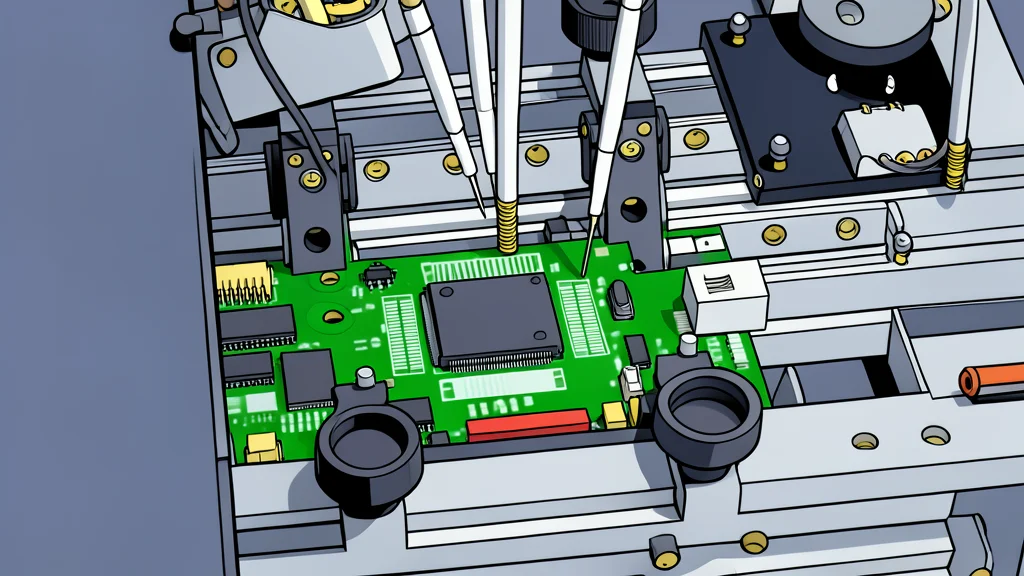
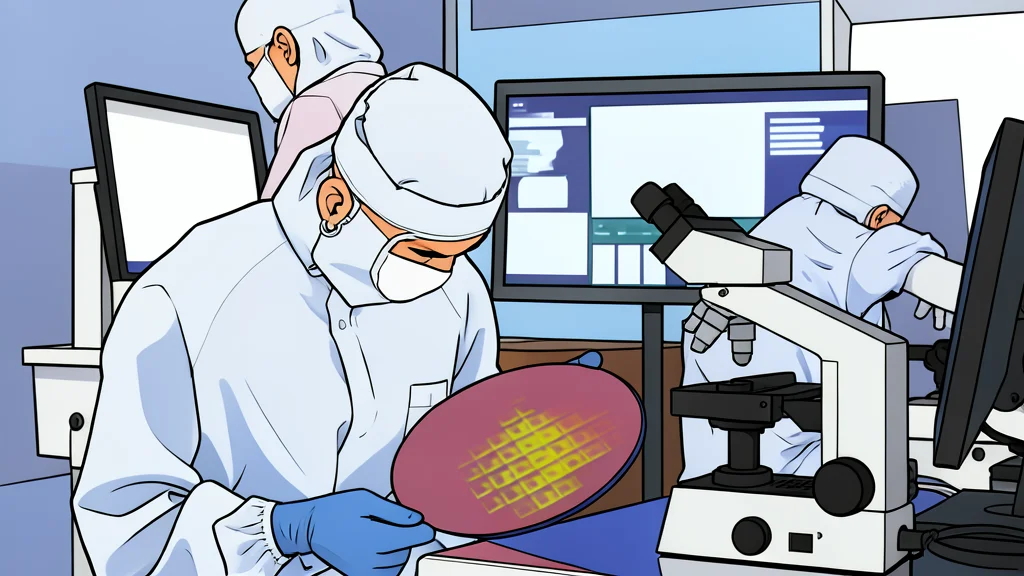
The financial performance of these two semiconductor giants reflects their distinct positions in the supply chain. ASE Technology provides outsourced assembly, packaging, and testing services, directly benefiting from the complexity of AI chips. Teradyne supplies the automated test equipment required to evaluate these chips. According to GN stocks/chips, both firms are well-positioned to capture value from the ongoing expansion of AI hardware, though their specific growth drivers and valuation metrics differ significantly.
ASE Technology Exceeds Packaging Targets
ASE Technology’s leading-edge advanced packaging (LEAP) segment is tracking ahead of its earlier 2026 target of $3.5 billion. Management expects to add several hundred million dollars to this year's LEAP revenues and aims to double LEAP revenues in 2027. This growth has already impacted the company's margins, with ATM gross margin rising to 27.3% from 21.9% a year earlier. The company anticipates that LEAP and test businesses will continue to be margin accretive, pushing ATM gross margin above 30% in the fourth quarter of 2026.
To support this demand, ASE is executing a significant capital expenditure plan, adding another $2 billion to its 2026 CapEx budget. The company is currently managing 13 greenfield and eight brownfield projects intended to provide capacity through 2028 and into 2029. However, management acknowledges that near-term growth is constrained by the speed of equipment installation and facility completion. Executing such a large number of projects simultaneously presents operational risks, particularly regarding construction timelines and capacity readiness.
Teradyne Driven by AI Test Sales
Teradyne’s strong quarter was fueled by AI-driven sales, which accounted for more than 60% of total revenues. The company’s record $1.33 billion in quarterly revenue highlights the critical role of automated test equipment in validating complex AI processors. As chip architectures become more intricate, the need for rigorous testing increases, directly benefiting Teradyne’s core business model. This segment has become a primary engine for the company's top-line growth, surpassing previous records.
Investors are evaluating Teradyne against a higher valuation backdrop compared to its peer. Teradyne trades at 30.99 times forward earnings, whereas ASE Technology trades at 21.04 times. This premium reflects market expectations for Teradyne’s sustained growth in the high-end testing market. The higher multiple suggests that the market is pricing in stronger long-term growth prospects for Teradyne, despite the current valuation gap between the two companies.
Valuation Gap Reflects Growth Outlook
The divergence in valuation multiples between ASE Technology and Teradyne underscores different market perceptions of their risk and reward profiles. ASE’s lower multiple may offer a more conservative entry point for investors focused on tangible capacity expansion and margin improvement. Conversely, Teradyne’s higher multiple indicates confidence in its ability to maintain dominant share in AI chip testing. Both companies face the challenge of converting strong demand into sustained profitability as the AI infrastructure buildout continues into the next fiscal year.