S&P 500 Concentration Hits Historic Highs Amid Tech Dominance
The top ten S&P 500 stocks now represent 40% of index value, a level unseen since the 1960s. This extreme concentration, driven by AI-focused tech giants, creates a single point of failure for the broader market.
Market structure has shifted dramatically as the ten largest companies in the S&P 500 now account for roughly 40% of the total index value. According to S&P Global, this level of concentration is the highest recorded since the mid-1960s. This dominance means that the performance of a handful of tech-centric firms dictates the trajectory of the entire benchmark, amplifying the impact of any sector-specific volatility on the broader market.
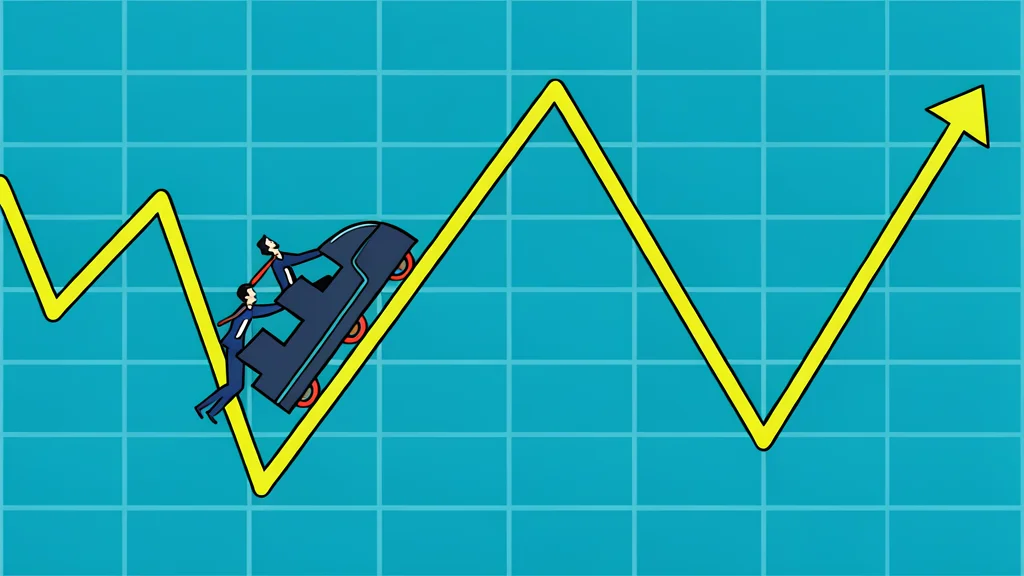
Recent trading sessions illustrate this dependency. In mid-August, a 4.5% weekly decline in the technology sector dragged the S&P 500 into negative territory, even as the remainder of the index gained nearly 1%. This divergence highlights how the weight of mega-cap tech stocks can overwhelm positive performance from other sectors, creating a fragile index structure reliant on a narrow group of high-valuation names.
Tech Giants Drive Index Value
The current top ten holdings consist primarily of technology companies such as Nvidia, Apple, Microsoft, and Amazon, alongside Broadcom, Meta Platforms, and Tesla. Unlike previous high-concentration periods, such as the dot-com bubble, where industrial and energy giants like General Electric and ExxonMobil held significant weight, the modern index is heavily skewed toward artificial intelligence and software. This thematic concentration exposes the market to specific regulatory and valuation risks associated with the AI sector, rather than broad economic diversification.
Historical Precedents For Volatility
Historical data suggests that periods of extreme index concentration often precede significant volatility. In the mid-1990s, the top ten S&P 500 holdings accounted for just under 18% of the index value, rising to nearly 27% by the peak of the dot-com era in 2000. The subsequent correction demonstrated the fragility of markets dominated by a narrow set of high-growth stocks. Current valuations, driven by strong earnings from AI-related firms, mirror this dynamic, creating a scenario where a reversal in tech sentiment could trigger a disproportionate decline in the overall index.
Investor Strategies For Risk
To mitigate the risks associated with this concentration, financial experts advise diversifying portfolios beyond the dominant tech sector. Holding a broader range of stocks across multiple industries can limit damage if the AI-driven rally reverses. Additionally, focusing on companies with robust fundamental business metrics and maintaining a long-term investment horizon are key strategies for navigating the heightened volatility inherent in a market dominated by a small number of high-impact stocks.