S&P 500 Concentration Risks Amid Rising Yields

Vanguard's VOO faces structural risks as bond yields rise and AI spending expectations cool, exposing the index's heavy reliance on a few tech giants.
The Vanguard S&P 500 ETF, VOO, has grown to exceed one trillion dollars in assets under management, becoming the world’s largest exchange-traded fund. This growth is driven by retail investors seeking low-cost exposure to US corporate earnings. However, the fund’s performance is increasingly tethered to a narrow group of technology companies rather than the broad 500-firm index it is named after.
Recent macroeconomic shifts are challenging the valuation models that supported this concentration. The Federal Reserve has ended its easing cycle, with bond yields pushing toward 5% and crude oil trading near 100 dollars per barrel. These factors increase the cost of capital required to fund the data centers and chip manufacturing underlying the AI sector, reducing the present value of future earnings for the largest index components.
Rising Costs Pressure Tech Valuations
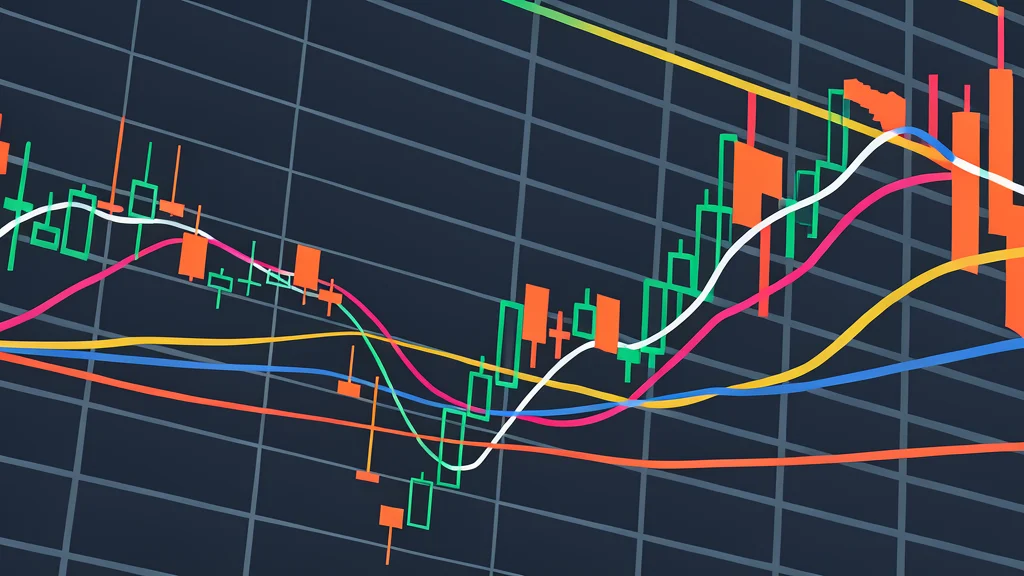
Higher interest rates directly impact the financial structure of high-growth firms. Expensive credit raises the hurdle rate for investing in energy infrastructure and computing power. When borrowing costs rise, the net present value of projected cash flows drops, compressing margins for companies that have expanded aggressively on cheap money. This dynamic is particularly acute for the mega-cap technology stocks that dominate the S&P 500’s index weighting.
Market participants are already adjusting expectations for AI-driven revenue growth. While spending has not collapsed, the pace of expansion is slowing. For stocks priced on extraordinary future performance, even a modest deceleration in growth rates can trigger significant multiple compression. This creates a fragile environment where index-wide gains mask underlying vulnerability in the few names driving the aggregate number.
Historical Precedents For Index Corrections
Historical data offers a sobering perspective on potential downside scenarios. Following the July 2023 rate hike, the S&P 500 fell approximately 11% to its October low. More severe precedents include the 1973-74 oil crisis and the Global Financial Crisis, where the index lost between 40% and 50% of its value. If AI investment slows become the primary catalyst, the index could face a decline toward the 4,000-point level.
The duration of recoveries further complicates the risk profile. After peaking in 2000, the S&P 500 did not decisively break above that level until 2013. This thirteen-year stagnation illustrates that holding through a major correction requires significant liquidity and patience. For retail investors entering near record highs, the opportunity cost of a prolonged bear market is substantial.
Sector Rotation Reflects Defensive Shifts
Current market activity shows a clear rotation away from high-growth assets. According to GN stocks/sp500 data, Health Care emerged as the top performer, rising over 4% on renewed confidence in major pharmaceutical firms. In contrast, Information Technology and Materials led the declines, falling more than 1.5% each as rising bond yields and profit-taking weighed on highly valued growth stocks and commodity miners.
This divergence highlights the changing risk appetite among institutional investors. Capital is flowing into defensive sectors like Communication Services and Consumer Discretionary, while tech-heavy funds face outflows. The broad index remains stable only because non-tech sectors are offsetting the weakness in the dominant technology cohort, a balance that may not hold if yields continue to climb.