Appeals Court Blocks Michigan Coal Plant Extension
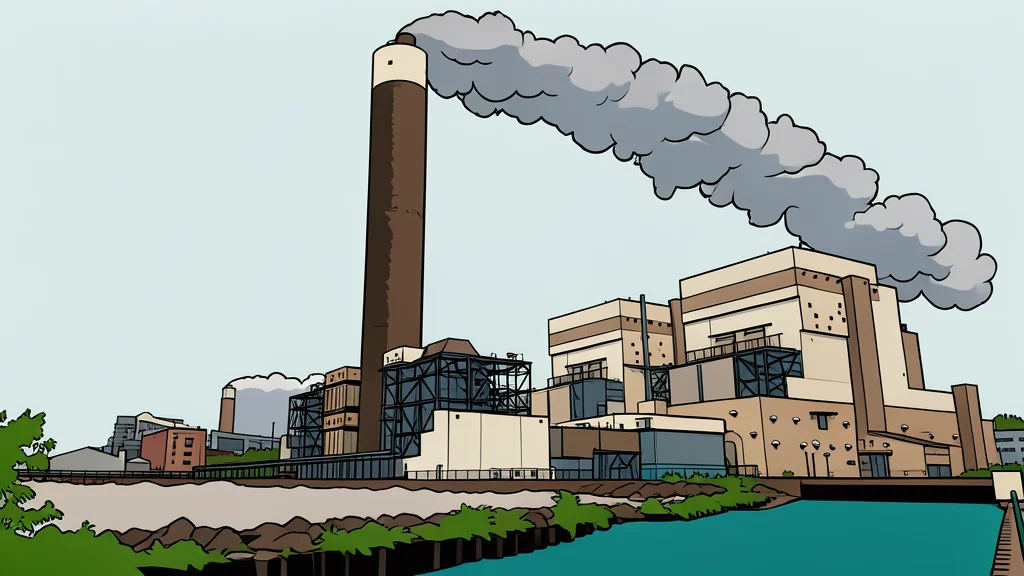
A federal appeals court has invalidated a Department of Energy order that forced Consumers Energy to keep its J.H. Campbell coal plant operating beyond its scheduled retirement.
The U.S. Court of Appeals for the District of Columbia Circuit issued a unanimous ruling on Friday, determining that the Department of Energy exceeded its statutory authority under the Federal Power Act. The court voided the emergency directive that compelled the Michigan utility to maintain the J.H. Campbell Generating Plant in operation despite its planned closure in 2025.
This decision reverses a specific executive order that extended the plant's operational timeline through November 14. Consumers Energy had originally scheduled the retirement of the facility because it was no longer economically viable. The legal intervention forced the company to incur significant unexpected costs to keep the aging infrastructure online against its original business plan.
Financial Impact on Utility Operations
According to the Michigan attorney general’s office, the mandatory extension cost Consumers Energy $295 million between May 2025 and June 2026. These expenses arose directly from the requirement to operate a plant that was slated for decommissioning due to poor economics. The utility is now reviewing the court’s decision while continuing to comply with the current 90-day order that keeps the Campbell plant running.
Spokesman Brian Wheeler confirmed that the company is assessing the legal implications of the ruling. He noted that the plant remains in service under the existing directive. This situation illustrates the direct financial burden placed on utilities when federal emergency powers are used to override market-driven retirement schedules for aging generation assets.
Broader Implications for Coal Generation
The ruling is a setback for the administration’s broader strategy to preserve coal-fired generation capacity. Since 2025, the government has used similar emergency powers to keep aging plants operational in Indiana, Washington, and Colorado. These actions were justified by soaring U.S. electricity demand linked to the expansion of data centers and AI infrastructure.
Environmental advocates argue that using emergency provisions to prevent market-driven retirements is an improper use of federal authority. Michael Lenoff of Earthjustice stated that the Department of Energy must limit its emergency powers to actual emergencies. The decision reinforces the view that regulatory bodies cannot use statutory loopholes to advance specific energy policies that contradict economic and environmental standards.
Legal Precedent for Energy Policy
The court found that the Department of Energy misapplied a rarely used emergency provision of federal law. This precedent limits the administration’s ability to unilaterally extend the life of power plants that private operators have decided to retire. The decision highlights the tension between federal energy security goals and the economic realities faced by utility providers.
The Department of Energy did not immediately respond to requests for comment regarding the ruling. The case underscores the legal boundaries for federal intervention in the electricity market. For Utilities and power plant operators, the ruling provides clarity that emergency powers cannot be used as a tool to sustain uneconomic generation assets indefinitely.