Bruce Power Faces Climate-Driven Operational Risks
A massive fish die-off forced reactor shutdowns at Canada's largest nuclear plant, exposing vulnerabilities in cooling systems to ecological shifts.
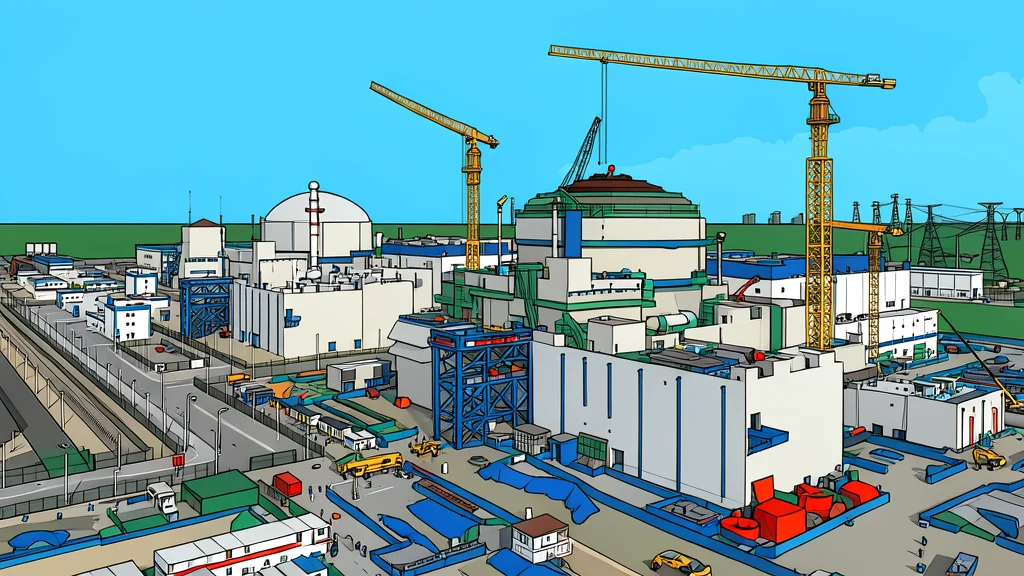
Bruce Power, the operator of Canada's largest nuclear generating station, faced significant operational disruptions in early 2025 when millions of gizzard shad overwhelmed the facility's water intake filters. The incident, documented in newly obtained records, forced the shutdown of one reactor and reduced output at another, highlighting a novel risk to nuclear infrastructure. Bruce Power stated that while the event challenged reactor safety protocols, the systems responded as designed to prevent damage.
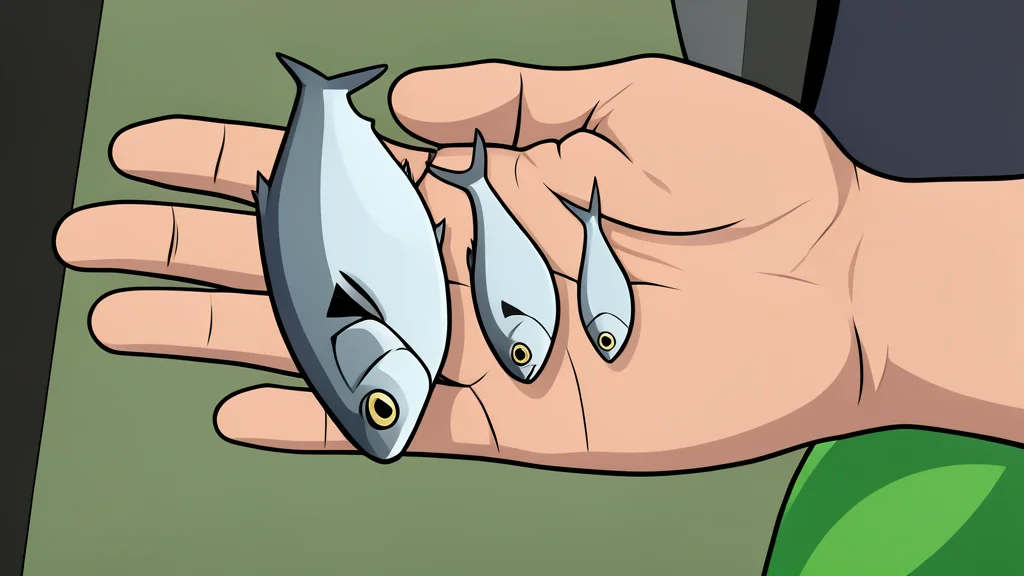
The scale of the biological intrusion was unprecedented for the site, with an estimated 8.1 million fish present in a single day. This volume exceeded the capacity of the plant's defense mechanisms, which are engineered to exclude aquatic life from the cooling water system. The Canadian Nuclear Safety Commission noted that the potential consequences could have led to the shutdown of all four units at the Bruce A site, underscoring the severity of the disruption to normal operations.
Cooling system failures trigger shutdowns
The immediate operational impact was severe, requiring Bruce Power to take Unit 2 offline and reduce power generation at Unit 1. On February 1, 2025, the fish event also affected the cooling systems of Unit 4, which was already offline for refurbishment. Although the reactor was not generating electricity, the fuel remained hot and required continuous cooling, placing additional strain on the facility's maintenance protocols during the biological anomaly.
Industry experts note that the term "challenged reactor safety" implies a reduction in the effectiveness of defense layers. When such defenses are compromised, regulatory requirements mandate shutdowns to ensure safety. Bruce Power’s internal investigation classified the event as a novel environmental occurrence, indicating that previous risk assessments did not account for such a high volume of cold-sensitive fish entering the intake channels simultaneously.
Climate shift alters local ecology
The root cause of the mass fish presence is linked to severe winter conditions, including significant snowfall and sharp temperature drops. These factors pushed the gizzard shad, a cold-sensitive species, into the water bodies surrounding the plant in unprecedented numbers. This ecological shift represents a changing baseline for environmental risks that nuclear operators must now consider in their long-term planning and safety assessments.
The Canadian Nuclear Safety Commission’s report to the International Atomic Energy Agency highlights that such events are becoming a growing challenge for nuclear plants globally. As climate patterns evolve, the frequency and intensity of these biological intrusions may increase, requiring operators to adapt their infrastructure and monitoring systems. Bruce Power declined to provide specific details on future mitigation strategies but confirmed that the incident is being reviewed as part of ongoing safety enhancements.
Regulatory scrutiny intensifies for operators
The incident has drawn heightened regulatory attention, with the CNSC warning that the potential consequences of such events could result in full site shutdowns. This scrutiny forces operators like Bruce Power to demonstrate robust contingency plans that can handle unexpected environmental stressors. The need to maintain continuous cooling for spent fuel adds complexity, as even non-operational units remain vulnerable to external disruptions that affect water flow and temperature control.
As the nuclear sector faces increasing pressure to operate reliably in a changing climate, the Bruce Power incident serves as a critical case study. It illustrates how localized ecological changes can have direct, tangible impacts on power generation and safety protocols. The industry is now expected to integrate these climate-driven biological risks into their core operational frameworks, ensuring that defense systems remain effective against evolving environmental threats.