Court Rules J.H. Campbell Coal Plant Extension Illegal

A federal appeals court has invalidated the emergency order keeping Consumers Energy’s last coal-fired plant operational, ruling that the federal government abused its authority to delay the facility's planned 2025 closure.
The U.S. Court of Appeals for the Sixth Circuit ruled on Friday that the Department of Energy’s emergency order allowing the J.H. Campbell power plant to remain online was unlawful. The decision reverses a May 2025 directive that cited a critical shortage in power capacity to override the plant’s scheduled permanent shutdown on May 31. By keeping the facility operating, the federal government effectively forced Consumers Energy to continue using a coal asset that its own environmental strategy had designated for retirement.
Michigan Attorney General Dana Nessel stated that the prolonged operation has generated hundreds of millions of dollars in unnecessary costs, which are ultimately passed to ratepayers. The state’s legal challenge argued that the administration’s use of emergency powers was a pretext to maintain fossil fuel generation against the utility’s planned phaseout. The court agreed, finding that the agency’s interpretation of its emergency authority was not supported by the text, structure, or history of the relevant statutes.
Federal emergency powers misapplied
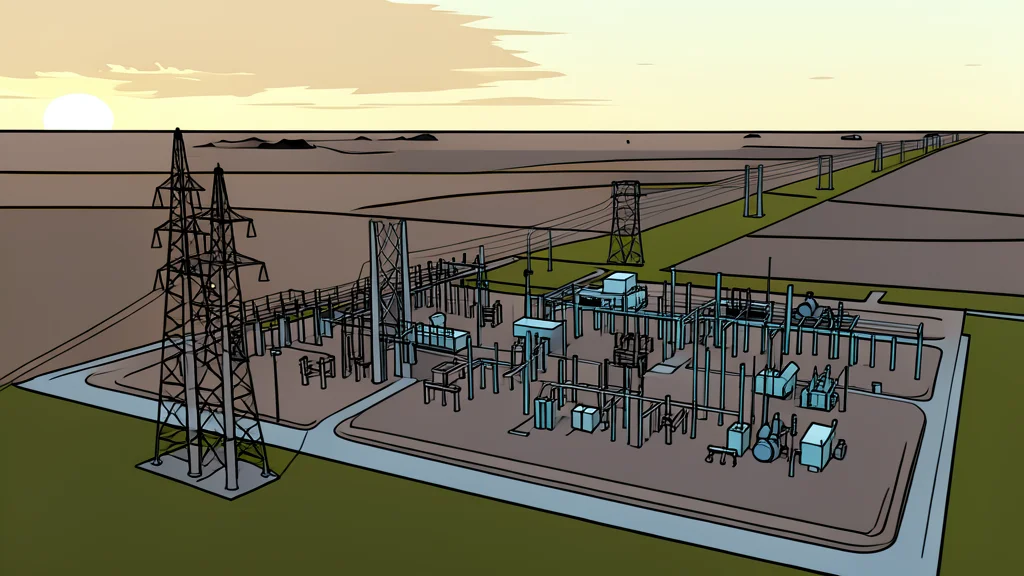
The J.H. Campbell plant, first commissioned in 1962, represents the final coal-fired asset in Consumers Energy’s portfolio. The Trump administration issued the initial emergency order in May 2025, claiming an imminent threat to grid reliability. This order has been extended six times since then, with the most recent extension in August 2026 keeping the plant operational until at least November 14. The judicial review concluded that these extensions lacked a valid legal basis, as the alleged emergency did not justify overriding established utility planning and environmental regulations.
The ruling explicitly rejected the Department of Energy’s broad conception of its emergency authority. Judges noted that allowing such sweeping discretionary power would undermine the regulatory framework designed to manage utility infrastructure transitions. By invalidating the order, the court reinforced that closure commitments made by utilities must be respected unless a genuine, verifiable crisis exists, rather than being used as a tool to delay decarbonization efforts.
Financial burden on Michigan ratepayers
Maintaining the coal plant has imposed significant financial and health costs on the state. Nessel emphasized that Michigan families are forced to subsidize the operation of a facility that should have been retired over a year ago. The continued use of coal generation contradicts the utility’s stated goal of reducing carbon pollution and increases operational expenses that are reflected in electricity bills. This financial strain is compounded by the environmental impact, as the plant continues to emit pollutants affecting local air and water quality.
Regulatory implications for utility planning
This decision serves as a precedent for the enforceability of utility retirement plans against federal intervention. It clarifies that while agencies have the authority to manage grid emergencies, they must justify such actions transparently and weigh public health and economic consequences. The ruling supports the principle that regulatory procedures for plant retirements are substantive safeguards, not obstacles to be bypassed for political or industrial convenience. This strengthens the legal standing of state-level efforts to phase out fossil fuel infrastructure in favor of cleaner energy sources.
The case fits into a broader pattern of disputes over aging coal plants, where legal battles often delay closure and increase costs for communities. While the ruling focuses on the legality of the federal order, it underscores the importance of accelerating the transition to reliable, low-carbon energy. The decision reinforces that public health and economic stability must be prioritized in utility planning, ensuring that communities are not left to bear the long-term costs of delayed energy transitions.