Oklo's Compact Nuclear Reactors Target AI Data Center Power Demand

Oklo is developing small modular nuclear reactors to supply on-site power for data centers, aiming to reduce grid dependence for AI infrastructure despite a high valuation relative to current revenue.
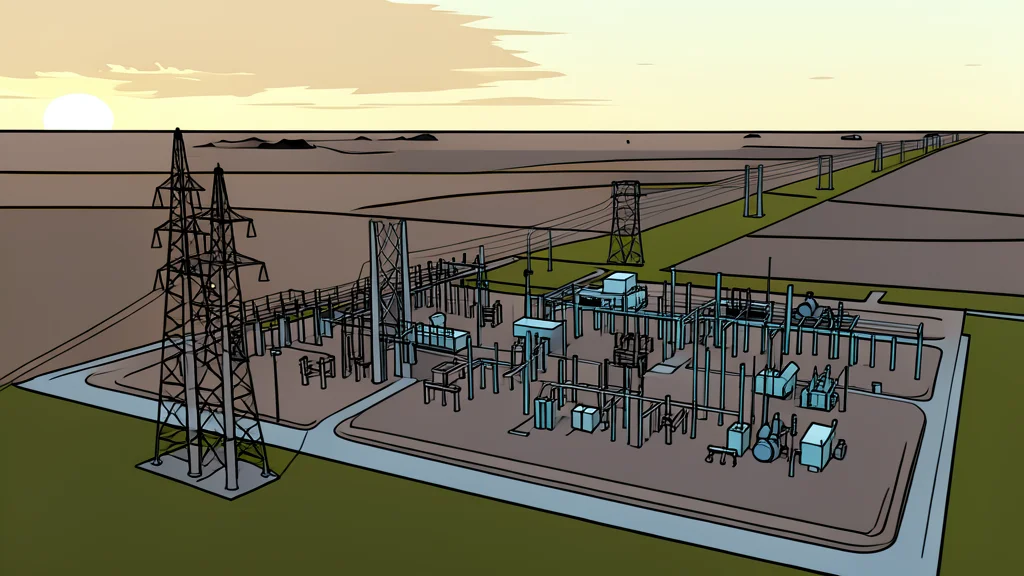
Oklo is positioning its small modular nuclear reactors as a critical infrastructure solution for the artificial intelligence sector. The company’s design allows reactor units to occupy just two or three football fields, a significant reduction compared to conventional nuclear plants that span hundreds of acres. This compact footprint enables on-site power generation, allowing data centers to decouple from the public grid and mitigate the risk of outages that could disrupt compute-intensive operations.
Unlike traditional equipment manufacturers, Oklo operates as a utility provider. It intends to own and maintain the reactor fleet while selling generated electricity to customers under long-term contracts. This business model shifts the burden of maintenance and capital expenditure for reactor hardware from the data center operator to Oklo, providing clients with a predictable power supply without the complexity of managing nuclear infrastructure.
Valuation Reflects Future Revenue Potential
The market has assigned Oklo a valuation of approximately $7 billion. This figure represents a multiple of more than 5,500 times the company’s current sales. Such a premium indicates that investors are pricing in substantial future revenue growth rather than current earnings. This high multiple suggests that the stock’s performance will depend heavily on Oklo’s ability to scale its reactor deployments and convert its technology into significant cash flow in the coming years.
Strategic Focus on Power-Hungry AI Operations
The primary target for Oklo’s technology is the data center industry, which faces increasing pressure to secure reliable power sources. As AI workloads expand, the demand for consistent, high-volume electricity has become a bottleneck for many operators. By offering dedicated, on-site nuclear power, Oklo addresses a specific operational pain point: the need for energy certainty that is not subject to grid variability or capacity constraints.
According to reporting from GN stocks/sp500, the comparison between Oklo and other market leaders like Nvidia highlights a shift in investment focus from pure hardware growth to infrastructure reliability. While Nvidia has delivered substantial gains over the past decade, the utility-like structure of Oklo’s business model offers a different risk-reward profile. The company’s success will hinge on its execution in deploying these compact units and securing the long-term contracts necessary to justify its current market capitalization.