DOE Extends Centralia Coal Plant Operation Amid Legal Challenges
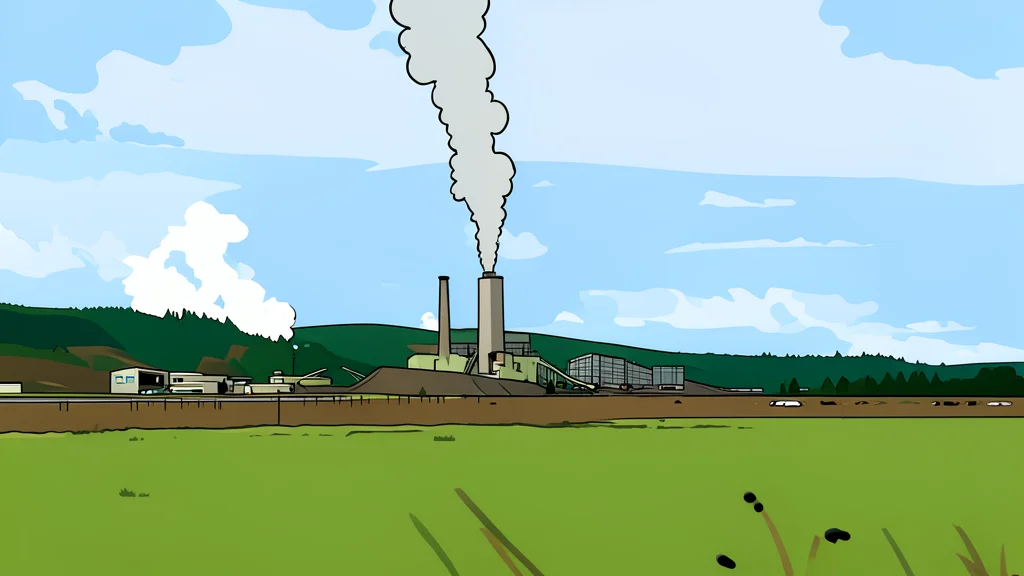
The U.S. Department of Energy has issued a fourth emergency directive keeping Washington State’s sole coal plant operational, defying state mandates and recent federal judicial rulings.
The U.S. Department of Energy issued its fourth emergency order on Friday, mandating that the TransAlta-owned coal plant in Centralia, Washington, remain in operation for an additional 90 days. This directive directly conflicts with state law, which requires the facility to cease operations permanently by December 2025. The federal agency cites an emergency need for coal-fired electricity to justify the extension, a stance that has drawn immediate legal challenge from Washington’s Attorney General.
Despite the federal mandate, grid data from the Energy Information Administration indicates the plant has generated virtually zero power since December. The facility was previously the state’s largest source of carbon dioxide emissions and significant contributor to health-harming pollutants, including particulates, sulfur dioxide, and mercury. The continued operational status is therefore administrative rather than functional, representing a regulatory hold rather than active energy production.
Federal Authority Faces Judicial Pushback
The legal basis for these emergency orders is currently under scrutiny. Earlier on Friday, the U.S. Court of Appeals for the District of Columbia Circuit ruled that the Trump administration lacked the statutory authority to force a coal plant in Michigan to stay open. The court determined that no genuine emergency existed under the relevant law, siding with environmental groups and three states—Michigan, Illinois, and Minnesota—that had sued to block the directive.
This judicial decision undermines the precedent being established by the Department of Energy’s actions in other states, including Washington, Illinois, and Michigan. The administration has similar orders in place for coal facilities in five states, each claiming an emergency requirement for coal-fired electricity. However, the D.C. Circuit’s finding suggests that the legal threshold for such interventions is not being met, potentially invalidating the current orders against the Centralia plant.
State Opposition and Regulatory Conflict
Washington Attorney General Nick Brown has initiated litigation to halt previous federal orders mandating the continued operation of the Centralia plant. The state argues that the federal government is overstepping its authority by interfering with state-level energy planning and environmental regulations. This conflict highlights a broader jurisdictional dispute over who controls the retirement timeline of legacy power infrastructure.
The Department of Energy’s press release, issued late Friday afternoon, emphasized that leadership efforts were saving coal plants from premature retirement. However, the practical impact of the order is limited given the plant’s current zero-output status. The situation remains a point of contention between federal regulatory priorities and state environmental mandates, with the D.C. Circuit’s recent ruling casting doubt on the sustainability of the federal position.