Loviisa Nuclear Upgrades Turbines for 38 MW Gain
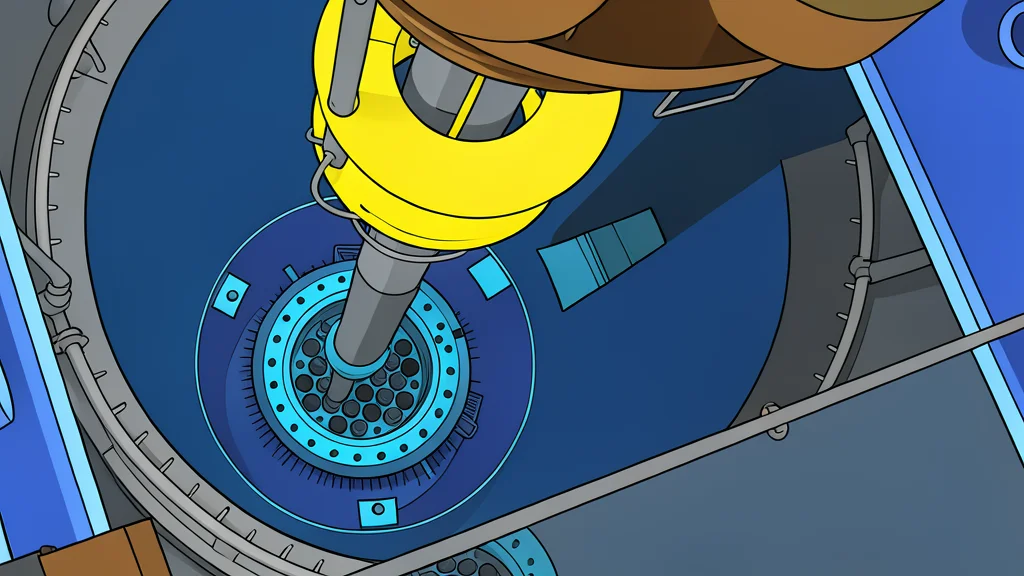
Fortum is replacing all eight low-pressure turbine casings at the Loviisa plant, adding 38 megawatts of capacity without altering reactor output.
Fortum is executing a significant efficiency upgrade at the Loviisa nuclear power plant on Finland's southeastern coast. The utility is removing the casings and internals from all eight low-pressure turbines across the site's two reactors. This maintenance window, which began in August, allows one unit to remain online while crews perform the heavy lifting on the other.
The project adds approximately 38 megawatts to the plant's total output, increasing capacity from 1,014 megawatts to roughly 1,052 megawatts. This represents a 3.7% boost in generation without any changes to the nuclear reactor cores themselves. The work focuses entirely on the turbine island, improving how much energy is extracted from the steam produced by the reactors.
Turbine Rebuild Drives Capacity Increase
The efficiency gain comes from sharpening blade tolerances and modernizing the turbine components. The reactors continue to produce the same amount of heat, but the new turbine internals capture more of that energy before it is released as warm seawater. Fortum states that the modernization has no impact on nuclear safety or reactor operations, isolating the improvement to the mechanical conversion of steam to electricity.
Doosan Škoda Power is delivering the new turbine components in stages over the 2026, 2027, and 2028 outages. The company expects the full 38-megawatt boost to be live by 2028. Over the current license period, this upgrade is projected to raise total expected generation from 170 terawatt-hours to 177 terawatt-hours, providing a tangible increase in grid supply.
Supporting Systems Undergo Major Overhaul
Beyond the turbines, the outage includes more than ten major projects involving around 1,000 contractor workers. Valmet is replacing the turbine protection and control systems on both units, along with the actuators that execute control instructions. These upgrades introduce live monitoring capabilities to the control room, enhancing operational visibility and system responsiveness.
Andritz is replacing all eight main seawater pumps, which push cold Baltic water through the condensers to chill spent steam back into water. Fortum notes that the existing pumps and motors are approaching the end of their technical life. While these components do not add direct capacity, they are essential for the system's ability to support the increased throughput enabled by the new turbines.
Supply Chain Risks Prompt Early Replacement
Fortum cites aging components and supply chain uncertainty as drivers for the early replacement. Spares for the original equipment are becoming harder to source, and geopolitical developments have increased risks regarding support from legacy suppliers. By replacing these critical parts now, the utility aims to secure long-term reliability and reduce dependence on uncertain external supply chains for critical infrastructure.