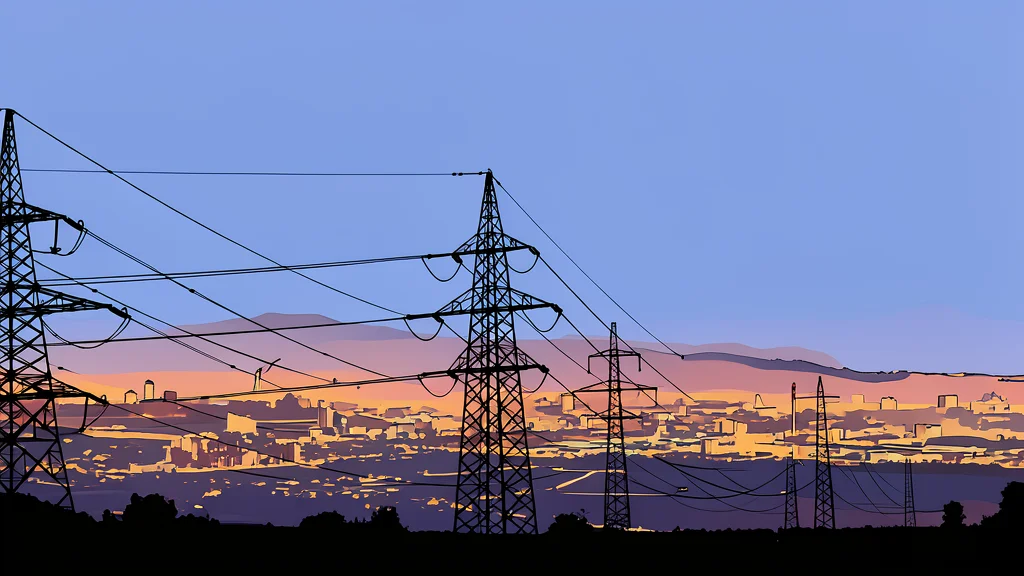
Duke Energy Prioritizes Grid Reliability Amid Shifting Demand

Duke Energy is shifting focus toward operational stability, using generation mix adjustments and capital discipline to navigate regulatory and market uncertainties.
Duke Energy (NYSE:DUK) is currently navigating a period where operational reliability takes precedence over rapid growth metrics. The company’s recent strategic emphasis reflects a broader utility trend of stabilizing cash flows through consistent customer activity and controlled operating expenditures. This approach aims to separate measurable business changes from short-term trading reactions, ensuring that financial disclosures align with actual grid performance rather than speculative market movements.
According to reports from the utility stocks sector, Duke Energy’s position is defined by its ability to manage generation mix and demand signals effectively. The company is scrutinizing its operating volumes and capital requirements to maintain liquidity while funding necessary network capacity. This disciplined framework allows Duke Energy to interpret quarterly information through a lens of confirmed company data, distinguishing it from peers who may be reacting more aggressively to commodity price fluctuations or regulatory shifts.
Generation Mix Drives Operational Stability
The core of Duke Energy’s current strategy involves optimizing its generation mix to enhance operating reliability. By adjusting the balance of energy sources, the company aims to reduce exposure to volatile commodity prices and ensure consistent power delivery. This stability directly impacts how quarterly financial results are interpreted, as changes in customer activity and pricing are managed through deliberate project timing rather than reactive spending.
Management commentary suggests that shifts in operating expenditure are being carefully monitored to prevent cost overruns that could erode margins. Duke Energy is prioritizing the alignment of its energy infrastructure with long-term demand patterns, which helps in maintaining a stable cash conversion rate. This methodical approach ensures that any changes in revenue are supported by tangible improvements in grid efficiency and customer service reliability.
Capital Allocation Supports Long-Term Growth
Duke Energy is maintaining a strict focus on balance-sheet health to support its capital allocation decisions. The company is funding inventory, equipment upgrades, and network capacity expansions with a clear view on debt maturity schedules and liquidity. This financial discipline ensures that the necessary capital expenditures for property projects and research are executed without compromising the firm’s overall financial resilience.
By integrating generation mix improvements with robust capital planning, Duke Energy creates a comprehensive framework that goes beyond single-quarter headline numbers. The relationship between sales and cash generation is being closely managed to ensure that stable demand translates into sustainable value. This holistic view allows the company to navigate sector-wide movements driven by financing conditions and regulatory changes with greater precision.
Market Signals Reflect Operating Reality
The market’s reaction to Duke Energy is increasingly tied to its ability to demonstrate consistent operating evidence. Investors are looking for clarity on how the company is managing the interplay between demand shifts and cost controls. Unlike peers who may experience mixed signals due to rapid policy adjustments or contract changes, Duke Energy’s steady approach provides a clearer narrative for long-term stakeholders.
As the utility sector continues to evolve, Duke Energy’s focus on reliability and financial prudence positions it as a stable anchor within the industry. The company’s ability to separate confirmed operational data from speculative trading signals ensures that its strategic decisions remain grounded in tangible business outcomes. This disciplined execution supports a long-term value proposition that prioritizes grid integrity and financial sustainability over short-term gains.